
How to turn website topics into WordPress articles automatically
A WordPress website usually contains many potential article ideas before the owner creates a single new blog post.
Service pages contain important subjects.

Product pages contain features and customer problems.
Frequently asked questions reveal what users want to know.
Existing categories show the main areas of the business.
Older articles reveal topics that may need deeper supporting content.
The challenge is turning these raw subjects into a structured publishing plan.
Artificial intelligence can make this process much more efficient.
Instead of manually brainstorming every new article, AI can analyze the important topics already present on a website, identify useful subtopics, separate different search intentions, recognize content gaps, and convert approved ideas into complete WordPress articles.
This creates a different approach to content automation.
The system does not begin with a random keyword generator.
It begins with the website itself.
PW Feed can support this type of workflow by combining WordPress AI content generation, SEO, GEO, topic planning, and wordpress plugin functionality.
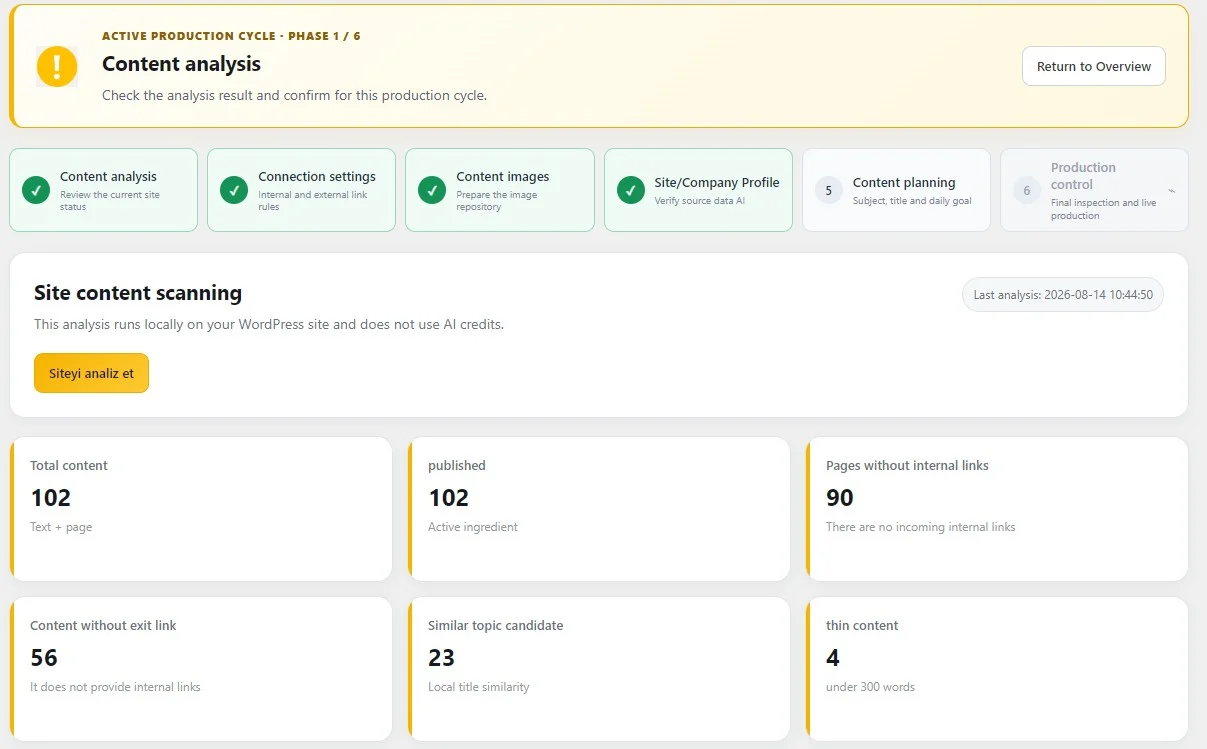
The objective is to transform real website subjects into useful articles without creating unnecessary duplication or losing the site’s existing focus.
𝗪𝗵𝘆 𝘁𝗵𝗲 𝘄𝗲𝗯𝘀𝗶𝘁𝗲 𝗶𝘁𝘀𝗲𝗹𝗳 𝗶𝘀 𝗮 𝘃𝗮𝗹𝘂𝗮𝗯𝗹𝗲 𝘁𝗼𝗽𝗶𝗰 𝘀𝗼𝘂𝗿𝗰𝗲
Businesses often search externally for blog ideas before examining what is already available on their own website.
This can lead to unrelated content.
A website already communicates important information about the business.
It may contain:
Services.
Products.
Features.
Industries.
Customer groups.

Locations.
Frequently asked questions.
Technical terms.
Problems the business solves.
Commercial priorities.
These subjects can become the foundation of a much larger informational content library.
For example, a WordPress AI product website may already discuss AI content generation, SEO, GEO, publishing, drafts, metadata, internal linking, and automation.
Each broad subject can produce several useful articles.
The website therefore becomes a map of its own potential content.
𝗔 𝘁𝗼𝗽𝗶𝗰 𝗶𝘀 𝗻𝗼𝘁 𝘆𝗲𝘁 𝗮𝗻 𝗮𝗿𝘁𝗶𝗰𝗹𝗲
A topic such as WordPress SEO is too broad to automatically become a useful article.

The topic must first be converted into a specific information need.
For example:
How can SEO-friendly WordPress posts be created automatically?
How can unique SEO titles be generated?
How can duplicate AI content be prevented?
How can internal links be created intelligently?
How can meta descriptions be generated automatically?
These are much stronger article assignments.
They come from the same broader subject but serve different purposes.
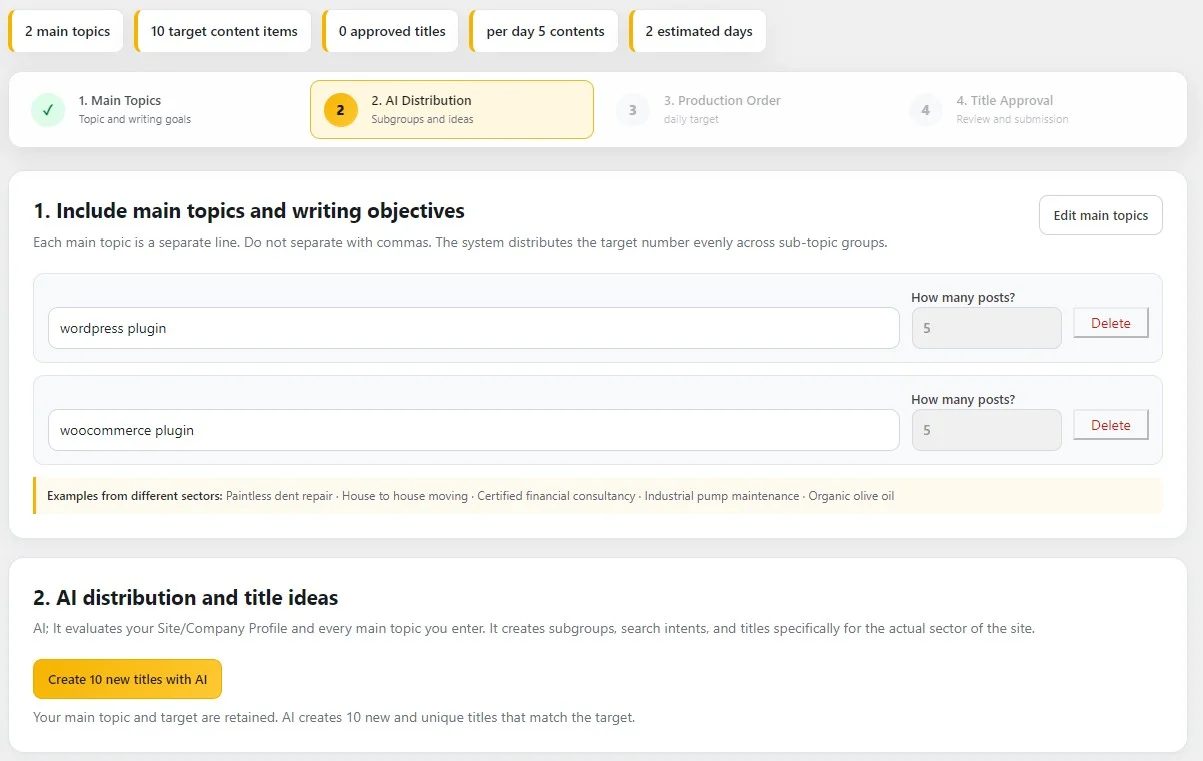
AI can help perform this decomposition.
The broad topic provides direction.
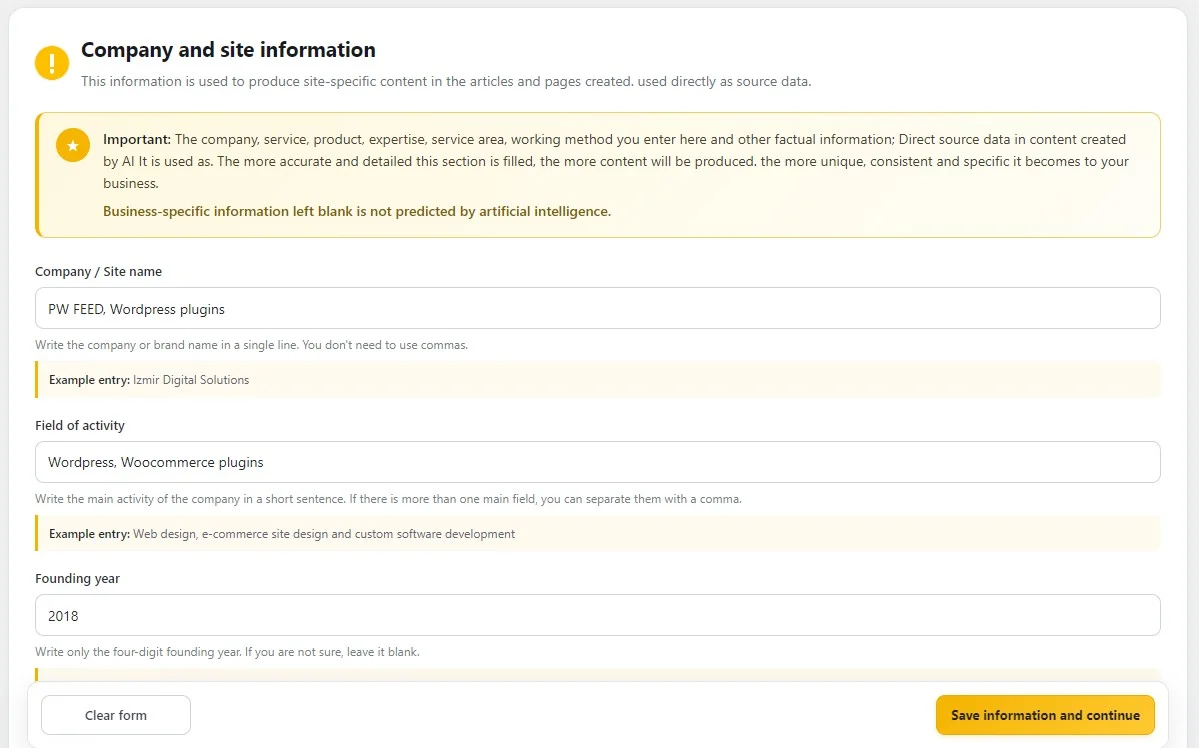
Search intent creates the individual article.
𝗦𝗲𝗮𝗿𝗰𝗵 𝗶𝗻𝘁𝗲𝗻𝘁 𝗺𝘂𝘀𝘁 𝘀𝗲𝗽𝗮𝗿𝗮𝘁𝗲 𝗻𝗲𝘄 𝗮𝗿𝘁𝗶𝗰𝗹𝗲𝘀
One website topic may generate dozens of keyword variations.
Not all of them deserve separate pages.
Consider:
AI content for WordPress.
WordPress AI content.
AI-generated WordPress content.
Artificial intelligence content for WordPress.
These expressions may represent one broad search intent.
Creating a separate article for every phrase could produce unnecessary duplication.

The stronger approach is to identify distinct questions beneath the subject.
For example:
How to generate WordPress drafts automatically with AI.
How to automate long-form WordPress content.
How to keep AI-generated content unique.
How to create AI content for service pages.
These pages belong to the same overall topic but answer different needs.
This is how AI can turn one website subject into several genuinely useful articles.
𝗦𝗲𝗿𝘃𝗶𝗰𝗲 𝗽𝗮𝗴𝗲𝘀 𝗰𝗮𝗻 𝗽𝗿𝗼𝗱𝘂𝗰𝗲 𝗺𝗮𝗻𝘆 𝗮𝗿𝘁𝗶𝗰𝗹𝗲 𝗶𝗱𝗲𝗮𝘀
A service page usually presents the commercial version of a subject.
It explains what the business provides.
Supporting articles can explore the questions surrounding that service.
For example, suppose a business offers WordPress AI content automation.
The service page explains the product or service.
Supporting articles could answer:
What tasks can be automated?
Should articles become drafts or publish directly?
How can businesses prevent duplicate content?
How can AI content support SEO?
How can content support GEO?
How can agencies use the workflow?
How can local businesses apply it?

The service page remains commercial.
The articles provide educational depth.
This creates a content ecosystem around the offering.
𝗣𝗿𝗼𝗱𝘂𝗰𝘁 𝗳𝗲𝗮𝘁𝘂𝗿𝗲𝘀 𝗰𝗮𝗻 𝗯𝗲𝗰𝗼𝗺𝗲 𝗲𝗱𝘂𝗰𝗮𝘁𝗶𝗼𝗻𝗮𝗹 𝘁𝗼𝗽𝗶𝗰𝘀
Product features are another useful source.
Suppose a WordPress plugin provides automatic draft generation.
That feature can produce articles about:
Why draft-first AI workflows are useful.
When direct publishing is appropriate.
How editorial teams can review AI content.
How automatic drafts reduce manual production work.
The feature itself is commercial.
The related articles answer broader user questions.
This helps the website attract people who may not yet know the product name.
They are searching for a solution or explanation first.
Content connects that need with the product later.
𝗙𝗿𝗲𝗾𝘂𝗲𝗻𝘁𝗹𝘆 𝗮𝘀𝗸𝗲𝗱 𝗾𝘂𝗲𝘀𝘁𝗶𝗼𝗻𝘀 𝗮𝗿𝗲 𝗽𝗼𝘄𝗲𝗿𝗳𝘂𝗹 𝗮𝗿𝘁𝗶𝗰𝗹𝗲 𝘀𝗼𝘂𝗿𝗰𝗲𝘀
Customer questions are often better topic sources than generic keyword lists.
A real question already represents real intent.
Examples might include:
Can AI content be saved as a WordPress draft?
Can automatic publishing be limited?
Will AI create duplicate posts?
Can meta descriptions be generated automatically?
Can the same system be used across multiple sites?
Each question can be evaluated.
Some may require only a short answer.
Others may justify a full article.
AI can help determine which questions have enough depth to become standalone content.
This creates articles based on actual customer uncertainty.
𝗖𝗮𝘁𝗲𝗴𝗼𝗿𝗶𝗲𝘀 𝗰𝗮𝗻 𝗿𝗲𝘃𝗲𝗮𝗹 𝗯𝗿𝗼𝗮𝗱 𝗰𝗼𝗻𝘁𝗲𝗻𝘁 𝗮𝗿𝗲𝗮𝘀
WordPress categories often reveal how a website already thinks about its content.
A site may have categories related to:
SEO.
AI.
WordPress automation.
GEO.
Tutorials.
Business use cases.
These categories can become starting points for topic analysis.
However, categories should not automatically become content clusters.
A category may contain several unrelated intentions.
AI should analyze the actual page meanings.
The category provides an initial clue.
Semantic analysis provides the deeper structure.
𝗘𝘅𝗶𝘀𝘁𝗶𝗻𝗴 𝗮𝗿𝘁𝗶𝗰𝗹𝗲𝘀 𝗰𝗮𝗻 𝗿𝗲𝘃𝗲𝗮𝗹 𝘄𝗵𝗮𝘁 𝗶𝘀 𝗺𝗶𝘀𝘀𝗶𝗻𝗴
Published content is useful not only because it already attracts traffic.
It can reveal gaps.
Suppose a website has articles about:
Automatic publishing.
AI drafts.
SEO titles.
Meta descriptions.
But no detailed article about internal linking.
That missing subject becomes an obvious opportunity.
Another site may have extensive SEO content but very little about GEO.
Again, the gap is visible.
AI can compare existing coverage with the wider topic map.
New articles can then fill real missing areas instead of repeating what already exists.
𝗖𝗼𝗻𝘁𝗲𝗻𝘁 𝗴𝗮𝗽𝘀 𝗮𝗿𝗲 𝗯𝗲𝘁𝘁𝗲𝗿 𝘁𝗵𝗮𝗻 𝗿𝗮𝗻𝗱𝗼𝗺 𝘁𝗼𝗽𝗶𝗰𝘀
Random topic generation can produce interesting ideas.
It can also produce subjects with little strategic value.
Content-gap planning is more controlled.
The website asks:
What important question has not been answered?
Which product feature lacks supporting information?
Which customer problem has no dedicated article?
Which content cluster is underdeveloped?
Which search intent is currently missing?
AI can help answer these questions.
This creates purposeful expansion.
Every new article has a reason to exist.
𝗔𝗜 𝗰𝗮𝗻 𝘁𝘂𝗿𝗻 𝗼𝗻𝗲 𝗯𝗿𝗼𝗮𝗱 𝘁𝗼𝗽𝗶𝗰 𝗶𝗻𝘁𝗼 𝗮 𝗰𝗼𝗻𝘁𝗲𝗻𝘁 𝗰𝗹𝘂𝘀𝘁𝗲𝗿
Suppose a website contains an important page about WordPress AI SEO content.
AI can analyze that topic and propose related supporting subjects.
For example:
AI content creation.
Automatic publishing.
Draft workflows.
Long-form content.
SEO titles.
Meta descriptions.
Internal linking.
Duplicate-content prevention.
GEO.
AI search visibility.
The site owner can approve the topics that provide distinct value.
These pages then form a content cluster.
Internal links connect them.
The original website topic becomes the foundation of a much deeper information network.
𝗡𝗼𝘁 𝗲𝘃𝗲𝗿𝘆 𝘀𝘂𝗯𝘁𝗼𝗽𝗶𝗰 𝘀𝗵𝗼𝘂𝗹𝗱 𝗯𝗲 𝗽𝘂𝗯𝗹𝗶𝘀𝗵𝗲𝗱
AI can generate a very large number of ideas from one subject.
Editorial control remains necessary.
Some ideas will be too similar.
Some will be too narrow.
Some may not matter to users.
Others may fall outside the business’s expertise.
Before an article enters the production queue, the site can ask:
Is this topic relevant?
Is it distinct?
Does it provide enough depth?
Does another page already cover it?
Does it support the business?
Will a reader gain meaningful value?
Only approved topics should continue to generation.
𝗧𝗼𝗼 𝗯𝗿𝗼𝗮𝗱 𝗮 𝘁𝗼𝗽𝗶𝗰 𝗰𝗮𝗻 𝗽𝗿𝗼𝗱𝘂𝗰𝗲 𝘄𝗲𝗮𝗸 𝗮𝗿𝘁𝗶𝗰𝗹𝗲𝘀
A topic such as digital marketing may contain too many separate subjects.
AI may create a long article that moves between SEO, advertising, social media, email marketing, and analytics.
The result lacks focus.
A better workflow narrows the topic before generation.
For example:
How AI can automate SEO content planning in WordPress.
This creates a clear assignment.
The article can still be detailed.
Its sections all support the same main intent.
Narrower topics often produce stronger long-form content.
𝗧𝗼𝗼 𝗻𝗮𝗿𝗿𝗼𝘄 𝗮 𝘁𝗼𝗽𝗶𝗰 𝗰𝗮𝗻 𝗰𝗿𝗲𝗮𝘁𝗲 𝗳𝗶𝗹𝗹𝗲𝗿
The opposite problem also exists.
A topic may be so small that it can be answered fully in one paragraph.
Forcing it into a long article can create repetition.
AI may restate the same point in several different ways.
This weakens quality.
A good topic should be specific enough to have clear search intent but broad enough to support meaningful depth.
Very narrow questions can often become sections inside a larger article or FAQ.
Editorial judgment should determine the appropriate format.
𝗔𝗜 𝗰𝗮𝗻 𝗵𝗲𝗹𝗽 𝗰𝗵𝗼𝗼𝘀𝗲 𝘁𝗵𝗲 𝗿𝗶𝗴𝗵𝘁 𝗰𝗼𝗻𝘁𝗲𝗻𝘁 𝗳𝗼𝗿𝗺𝗮𝘁
Not every website subject needs a long blog article.
AI can help classify a potential topic as:
A full article.
A service-page section.
A FAQ answer.
A comparison.
A tutorial.
A glossary definition.
A supporting cluster page.
An update to an existing article.
This prevents the website from creating unnecessary URLs.
The content type should match the information need.
This is an important part of intelligent automation.
𝗖𝗿𝗲𝗮𝘁𝗲 𝗻𝗲𝘄 𝗰𝗼𝗻𝘁𝗲𝗻𝘁 𝗼𝗿 𝗶𝗺𝗽𝗿𝗼𝘃𝗲 𝗮𝗻 𝗼𝗹𝗱 𝗽𝗮𝗴𝗲?
This decision should occur before article generation.
Suppose AI discovers a promising subject.
The website should check whether an older page already covers most of it.
If so, updating that page may be more valuable.
AI can help:
Expand missing sections.
Improve outdated explanations.
Add new examples.
Strengthen SEO.
Improve GEO clarity.
Update internal links.
Create better metadata.
This improves an existing asset.
A new article is appropriate when the topic represents a genuinely different intent.
𝗔𝘂𝘁𝗼𝗺𝗮𝘁𝗶𝗼𝗻 𝘀𝗵𝗼𝘂𝗹𝗱 𝗽𝗿𝗲𝘃𝗲𝗻𝘁 𝘂𝗻𝗻𝗲𝗰𝗲𝘀𝘀𝗮𝗿𝘆 𝗱𝘂𝗽𝗹𝗶𝗰𝗮𝘁𝗶𝗼𝗻
The faster content can be generated, the more important duplication control becomes.
Before converting a topic into an article, AI can compare it with:
Existing titles.
Article summaries.
Search intent.
Target keywords.
Content clusters.
Planned future topics.
If the proposed page is too similar to an existing one, the system can recommend another angle.
This is much more efficient than discovering duplication after dozens of articles have already been published.
𝗧𝗼𝗽𝗶𝗰 𝗼𝘄𝗻𝗲𝗿𝘀𝗵𝗶𝗽 𝗺𝗮𝗸𝗲𝘀 𝗮𝘂𝘁𝗼𝗺𝗮𝘁𝗶𝗼𝗻 𝗰𝗹𝗲𝗮𝗿𝗲𝗿
Important subjects can have designated primary pages.
For example:
One page owns the broad subject of WordPress AI content automation.
One owns duplicate-content prevention.
One owns AI-powered internal linking.
One owns meta description generation.
One owns GEO for WordPress.
When AI identifies a related topic, it knows whether the subject already has a primary resource.
The new page must contribute a different angle.
This creates cleaner site architecture.
It also makes internal linking easier.
𝗔𝗽𝗽𝗿𝗼𝘃𝗲𝗱 𝘁𝗼𝗽𝗶𝗰𝘀 𝗰𝗮𝗻 𝗲𝗻𝘁𝗲𝗿 𝗮 𝗽𝘂𝗯𝗹𝗶𝘀𝗵𝗶𝗻𝗴 𝗾𝘂𝗲𝘂𝗲
Once a website topic has been transformed into a valid article idea, it can enter a structured queue.
The queue may contain:
Article title.
Short title.
Primary subject.
Search intent.
Target keyword.
Related terms.
Content cluster.
Priority.
Relevant internal pages.
Draft or publish status.
This provides a clear assignment for AI generation.
The model no longer needs to decide what the website wants from a vague prompt.
The strategic decisions have already been made.
𝗣𝗿𝗶𝗼𝗿𝗶𝘁𝘆 𝘀𝗵𝗼𝘂𝗹𝗱 𝗿𝗲𝗳𝗹𝗲𝗰𝘁 𝗯𝘂𝘀𝗶𝗻𝗲𝘀𝘀 𝘃𝗮𝗹𝘂𝗲
A website may identify fifty useful topics.
They do not all have equal priority.
A subject strongly related to the main product may deserve earlier publication.
A common customer question may be urgent.
A missing topic inside an important content cluster may deserve attention.
A highly relevant long-tail search may provide better commercial value than a broad high-volume keyword.
Automated planning can rank these topics using several criteria.
This makes the publishing schedule more strategic.
𝗦𝗘𝗢 𝗰𝗮𝗻 𝗴𝘂𝗶𝗱𝗲 𝗵𝗼𝘄 𝘁𝗵𝗲 𝘁𝗼𝗽𝗶𝗰 𝗯𝗲𝗰𝗼𝗺𝗲𝘀 𝗮𝗻 𝗮𝗿𝘁𝗶𝗰𝗹𝗲
Once a subject has been approved, SEO can help define its final form.
The workflow can identify:
Primary search intent.
Related phrases.
Secondary questions.
Potential title.
Potential metadata.
Internal linking opportunities.
Possible overlap with existing content.
AI can use this information when generating the article.
SEO is therefore involved before the writing stage rather than being applied afterward.
This creates stronger alignment between topic and final content.
𝗚𝗘𝗢 𝗰𝗮𝗻 𝗶𝗻𝗳𝗹𝘂𝗲𝗻𝗰𝗲 𝘁𝗼𝗽𝗶𝗰 𝗲𝘅𝗽𝗮𝗻𝘀𝗶𝗼𝗻
Generative Engine Optimization encourages websites to explain important concepts clearly.
When AI analyzes website topics, it can identify subjects that deserve better explanation for generative search environments.
For example, if a website repeatedly mentions GEO but never provides a dedicated explanation, that may represent a content gap.
The same applies to:
A product function.
An important service.
A technical concept.
A relationship between entities.
A recurring customer question.
Creating focused articles around these subjects can make the site’s information environment clearer.
𝗔𝗘𝗢 𝗰𝗮𝗻 𝘁𝘂𝗿𝗻 𝗾𝘂𝗲𝘀𝘁𝗶𝗼𝗻𝘀 𝗶𝗻𝘁𝗼 𝗰𝗼𝗻𝘁𝗲𝗻𝘁
Answer Engine Optimization is particularly relevant when converting customer questions into articles.
Users increasingly search in conversational language.
They may ask:
How can I automate WordPress publishing?
Can AI create SEO titles?
How do I prevent duplicate AI posts?
Can WordPress content be optimized for AI search?
These questions provide excellent article foundations when they support enough useful depth.
The article can answer the primary question directly and then explore the supporting considerations.
This format is useful for both search engines and AI assistants.
𝗧𝗵𝗲 𝗮𝗿𝘁𝗶𝗰𝗹𝗲 𝘀𝗵𝗼𝘂𝗹𝗱 𝗶𝗻𝗵𝗲𝗿𝗶𝘁 𝘃𝗲𝗿𝗶𝗳𝗶𝗲𝗱 𝗯𝘂𝘀𝗶𝗻𝗲𝘀𝘀 𝗰𝗼𝗻𝘁𝗲𝘅𝘁
A topic tells AI what to discuss.
Business context tells it how the subject relates to the website.
Useful context can include:
Business name.
Products.
Services.
Target customers.
Preferred terminology.
Real geographic coverage.
Important features.
Claims that must be avoided.
Relevant commercial pages.
For PW Feed, this helps maintain clear relationships between PW Feed, WordPress, AI content generation, SEO, GEO, content automation, and wordpress plugin functionality.
The article becomes business-specific rather than generic.
𝗔𝗜 𝘀𝗵𝗼𝘂𝗹𝗱 𝗻𝗼𝘁 𝗶𝗻𝘃𝗲𝗻𝘁 𝗳𝗮𝗰𝘁𝘀 𝘁𝗼 𝗳𝗶𝗹𝗹 𝗮 𝘁𝗼𝗽𝗶𝗰
A website subject may contain incomplete information.
AI should not automatically fill every gap with invented business details.
If the website says it provides a service but does not specify pricing, AI should not guess the price.
If geographic coverage is unclear, it should not invent service areas.
If a feature is not verified, it should not be presented as available.
Topic automation needs factual boundaries.
This is especially important when converting commercial website content into informational articles.
𝗟𝗼𝗰𝗮𝗹 𝘄𝗲𝗯𝘀𝗶𝘁𝗲 𝘁𝗼𝗽𝗶𝗰𝘀 𝗻𝗲𝗲𝗱 𝗴𝗲𝗼𝗴𝗿𝗮𝗽𝗵𝗶𝗰 𝗰𝗼𝗻𝘁𝗿𝗼𝗹
A local business website may contain city, district, or service-area information.
AI can use these subjects to create relevant articles.
However, the locations should be real.
A location mentioned once on the site should not automatically become a dedicated target page.
The system should understand the difference between:
A physical location.
A genuine service area.
A location used only as an example.
An unrelated place.
This protects local SEO and GEO accuracy.
𝗘-𝗰𝗼𝗺𝗺𝗲𝗿𝗰𝗲 𝘄𝗲𝗯𝘀𝗶𝘁𝗲𝘀 𝗰𝗮𝗻 𝘁𝘂𝗿𝗻 𝗽𝗿𝗼𝗱𝘂𝗰𝘁 𝗰𝗮𝘁𝗲𝗴𝗼𝗿𝗶𝗲𝘀 𝗶𝗻𝘁𝗼 𝗮𝗿𝘁𝗶𝗰𝗹𝗲 𝗶𝗱𝗲𝗮𝘀
Product categories can generate useful informational topics.
A category may produce articles about:
How to choose the product.
Common use cases.
Compatibility.
Maintenance.
Comparison criteria.
Common buyer mistakes.
Technical terminology.
The informational article supports the commercial category without copying the product page.
AI can help identify these opportunities.
This creates a bridge between product information and educational search traffic.
𝗦𝗲𝗿𝘃𝗶𝗰𝗲 𝗯𝘂𝘀𝗶𝗻𝗲𝘀𝘀𝗲𝘀 𝗰𝗮𝗻 𝘁𝘂𝗿𝗻 𝗽𝗿𝗼𝗰𝗲𝘀𝘀𝗲𝘀 𝗶𝗻𝘁𝗼 𝗰𝗼𝗻𝘁𝗲𝗻𝘁
A business process can also become a useful subject.
For example, if a service includes assessment, implementation, review, and ongoing management, each stage may contain customer questions.
Articles can explain:
What happens before the service begins?
How should customers prepare?
What should they expect during implementation?
What happens after completion?
These subjects are closely connected with the service but provide different informational value.
AI can identify them from existing service-page descriptions.
𝗔𝗴𝗲𝗻𝗰𝗶𝗲𝘀 𝗰𝗮𝗻 𝘂𝘀𝗲 𝘁𝗵𝗲 𝘀𝗮𝗺𝗲 𝗺𝗲𝘁𝗵𝗼𝗱 𝗮𝗰𝗿𝗼𝘀𝘀 𝗺𝗮𝗻𝘆 𝘀𝗶𝘁𝗲𝘀
Agencies manage clients with different subjects.
One client may be a local service company.
Another may operate an online store.
Another may sell software.
The process can remain similar:
Analyze the client website.
Identify important subjects.
Group them.
Detect existing coverage.
Find gaps.
Create distinct article ideas.
Approve the topics.
Generate content.
The framework is reusable.
The actual subjects remain client-specific.
This allows agencies to scale planning without creating identical client content.
𝗖𝗹𝗶𝗲𝗻𝘁 𝘀𝗶𝘁𝗲𝘀 𝗺𝘂𝘀𝘁 𝗿𝗲𝗺𝗮𝗶𝗻 𝘀𝗲𝗽𝗮𝗿𝗮𝘁𝗲
An agency may work with several businesses in the same industry.
AI can reuse planning logic but should not copy content context between them.
Each site has its own:
Brand.
Services.
Locations.
Examples.
Customer questions.
Internal links.
Commercial goals.
The same broad topic may produce very different articles for different businesses.
This is essential for originality and trust.
𝗜𝗻𝘁𝗲𝗿𝗻𝗮𝗹 𝗹𝗶𝗻𝗸𝗶𝗻𝗴 𝗰𝗮𝗻 𝗯𝗲 𝗽𝗹𝗮𝗻𝗻𝗲𝗱 𝗯𝗲𝗳𝗼𝗿𝗲 𝘁𝗵𝗲 𝗮𝗿𝘁𝗶𝗰𝗹𝗲 𝗲𝘅𝗶𝘀𝘁𝘀
When a topic comes from the existing website, natural internal relationships are often already visible.
Before generation, the system can determine:
Which service page the article supports.
Which cluster it belongs to.
Which older articles provide related information.
Which central page should receive a link.
This information can be included in the article assignment.
The new post enters WordPress with a defined role inside the site’s architecture.
This is more efficient than trying to establish every relationship after publication.
𝗡𝗲𝘄 𝗮𝗿𝘁𝗶𝗰𝗹𝗲𝘀 𝗰𝗮𝗻 𝗰𝗿𝗲𝗮𝘁𝗲 𝗿𝗲𝘃𝗲𝗿𝘀𝗲-𝗹𝗶𝗻𝗸 𝗼𝗽𝗽𝗼𝗿𝘁𝘂𝗻𝗶𝘁𝗶𝗲𝘀
Publishing a new article can also improve older content.
AI may identify existing pages that mention the new subject briefly.
These pages can potentially link to the new detailed resource.
This helps prevent new articles from becoming isolated.
It also strengthens older pages by giving readers access to deeper information.
Topic conversion therefore affects both new and existing content.
𝗔 𝘄𝗼𝗿𝗱𝗽𝗿𝗲𝘀𝘀 𝗽𝗹𝘂𝗴𝗶𝗻 𝗰𝗮𝗻 𝗺𝗮𝗸𝗲 𝘀𝗶𝘁𝗲-𝗮𝘄𝗮𝗿𝗲 𝗮𝘂𝘁𝗼𝗺𝗮𝘁𝗶𝗼𝗻 𝗺𝗼𝗿𝗲 𝗽𝗿𝗮𝗰𝘁𝗶𝗰𝗮𝗹
A generic AI tool may know the topic but not the actual WordPress site.
A wordpress plugin can work much closer to the real content environment.
It can potentially use information such as:
Published posts.
Pages.
Categories.
Existing titles.
Site terminology.
Content settings.
Publishing rules.
This context makes topic conversion more useful.
Instead of producing generic article suggestions, the workflow can become aware of what the website already contains.
PW Feed can support this type of WordPress-centered AI content process.
𝗔𝘂𝘁𝗼𝗺𝗮𝘁𝗶𝗰 𝗴𝗲𝗻𝗲𝗿𝗮𝘁𝗶𝗼𝗻 𝘀𝗵𝗼𝘂𝗹𝗱 𝗳𝗼𝗹𝗹𝗼𝘄 𝗮𝗽𝗽𝗿𝗼𝘃𝗲𝗱 𝘁𝗼𝗽𝗶𝗰𝘀
The discovery stage and generation stage should remain separate.
AI can identify possibilities.
The website owner decides what belongs in the strategy.
Only approved subjects should become complete articles.
This prevents the system from publishing every idea it finds.
A controlled sequence might be:
Analyze website topics.
Generate possible article ideas.
Check existing coverage.
Group similar intentions.
Identify gaps.
Approve topics.
Generate content.
Review or publish.
This creates a far safer automation model.
𝗗𝗿𝗮𝗳𝘁 𝗺𝗼𝗱𝗲 𝗰𝗮𝗻 𝗯𝗲 𝘂𝘀𝗲𝗱 𝗳𝗼𝗿 𝗻𝗲𝘄 𝘁𝗼𝗽𝗶𝗰 𝗮𝗿𝗲𝗮𝘀
When AI begins generating content from a new area of the website, draft publishing can provide additional control.
The editor can verify:
Does the article reflect the source topic accurately?
Has AI misunderstood the service?
Is the search intent distinct?
Does the article repeat an existing page?
Are business facts correct?
Are internal links appropriate?
After several successful articles, more automation may become appropriate.
This allows the system to expand gradually.
𝗦𝗼𝗺𝗲 𝗮𝗽𝗽𝗿𝗼𝘃𝗲𝗱 𝘁𝗼𝗽𝗶𝗰𝘀 𝗺𝗮𝘆 𝗯𝗲 𝘀𝘂𝗶𝘁𝗮𝗯𝗹𝗲 𝗳𝗼𝗿 𝗱𝗶𝗿𝗲𝗰𝘁 𝗽𝘂𝗯𝗹𝗶𝘀𝗵𝗶𝗻𝗴
Not every article requires the same level of review.
A mature website may have well-defined low-risk topic categories.
The business context is stable.
The terminology is known.
The topic queue is approved.
The publishing rules are established.
In such cases, selected informational content may be suitable for direct publishing.
Higher-risk commercial or technical topics can remain draft-only.
This hybrid model balances efficiency and control.
𝗧𝗵𝗲 𝘄𝗲𝗯𝘀𝗶𝘁𝗲 𝘀𝗵𝗼𝘂𝗹𝗱 𝗻𝗼𝘁 𝗯𝗲𝗰𝗼𝗺𝗲 𝗮𝗻 𝗲𝗻𝗱𝗹𝗲𝘀𝘀 𝘁𝗼𝗽𝗶𝗰 𝗴𝗲𝗻𝗲𝗿𝗮𝘁𝗼𝗿
A website contains many words.
AI could potentially turn almost all of them into article ideas.
That is not the goal.
The system needs boundaries.
Content should remain connected to:
Business expertise.
Customer needs.
Products or services.
Strategic SEO topics.
GEO relevance.
Useful supporting information.
This protects the site’s identity.
Automation should deepen the website’s strongest subjects rather than expanding in every possible direction.
𝗔𝗿𝘁𝗶𝗰𝗹𝗲𝘀 𝘀𝗵𝗼𝘂𝗹𝗱 𝗯𝗲 𝗼𝗿𝗶𝗴𝗶𝗻𝗮𝗹 𝗶𝗻 𝗽𝘂𝗿𝗽𝗼𝘀𝗲, 𝗻𝗼𝘁 𝗷𝘂𝘀𝘁 𝘄𝗼𝗿𝗱𝗶𝗻𝗴
AI can rewrite the same concept many ways.
That does not create a stronger website.
A new article should contribute a distinct purpose.
It may:
Answer another question.
Address another audience.
Explain another stage.
Provide another comparison.
Solve another problem.
Explore another use case.
This is genuine content differentiation.
Changing sentence structure is only surface-level variation.
𝗖𝗼𝗻𝘁𝗲𝗻𝘁 𝘃𝗼𝗹𝘂𝗺𝗲 𝘀𝗵𝗼𝘂𝗹𝗱 𝗻𝗼𝘁 𝗯𝗲 𝘁𝗵𝗲 𝗺𝗮𝗶𝗻 𝗺𝗲𝘁𝗿𝗶𝗰
A system capable of finding fifty website topics does not need to publish fifty articles.
A stronger evaluation asks:
How many real gaps were filled?
How many distinct search intentions were covered?
How many important service pages gained relevant support?
How many useful topic clusters were strengthened?
How much duplicate content was avoided?
How many user questions received clear answers?
These measures describe strategic progress better than raw page count.
𝗖𝗼𝗺𝗺𝗲𝗿𝗰𝗶𝗮𝗹 𝗽𝗮𝘁𝗵𝘀 𝗰𝗮𝗻 𝗿𝗲𝗺𝗮𝗶𝗻 𝗻𝗮𝘁𝘂𝗿𝗮𝗹
An informational article created from a website topic should remain useful on its own.
Commercial links can appear when relevant.
Readers who want additional information about PW Feed, AI content automation, SEO, GEO, or WordPress publishing can continue through the PW Feed contact page.
Users ready to review purchasing options can proceed to the PW Feed buy page.
These paths allow educational content to support commercial goals without turning every article into a sales page.
𝗧𝗼𝗽𝗶𝗰 𝗱𝗶𝘀𝗰𝗼𝘃𝗲𝗿𝘆 𝗰𝗮𝗻 𝗯𝗲𝗰𝗼𝗺𝗲 𝗮 𝗿𝗲𝗽𝗲𝗮𝘁𝗮𝗯𝗹𝗲 𝘄𝗼𝗿𝗸𝗳𝗹𝗼𝘄
One of the strongest benefits of AI is repeatability.
Instead of brainstorming from zero every month, the website can use a recurring process.
Review existing subjects.
Analyze new services or products.
Review customer questions.
Detect content gaps.
Compare with existing articles.
Create candidate topics.
Approve the strongest ideas.
Generate and publish.
Then repeat the process after the website has evolved.
This creates a self-renewing content strategy.
𝗡𝗲𝘄 𝗽𝗿𝗼𝗱𝘂𝗰𝘁𝘀 𝗰𝗮𝗻 𝗮𝘂𝘁𝗼𝗺𝗮𝘁𝗶𝗰𝗮𝗹𝗹𝘆 𝗰𝗿𝗲𝗮𝘁𝗲 𝗻𝗲𝘄 𝗰𝗼𝗻𝘁𝗲𝗻𝘁 𝗼𝗽𝗽𝗼𝗿𝘁𝘂𝗻𝗶𝘁𝗶𝗲𝘀
As a business grows, its website changes.
A new product is added.
A new service launches.
A new feature appears.
A new customer group becomes important.
These changes can trigger fresh topic analysis.
AI can identify related informational needs.
The content plan evolves with the business.
This is more sustainable than maintaining a static keyword list created years earlier.
𝗢𝗹𝗱 𝘁𝗼𝗽𝗶𝗰𝘀 𝗰𝗮𝗻 𝗯𝗲 𝗿𝗲𝘃𝗶𝘀𝗶𝘁𝗲𝗱
Website subjects also evolve.
A topic that required one article two years ago may now deserve several supporting pages.
For example, AI search visibility is becoming a broader subject.
A website that once had one general GEO article may later need more specific content around:
ChatGPT search.
Google AI Overviews.
Answer engines.
Generative search preparation.
AI-friendly content structure.
Topic analysis should therefore be repeated periodically.
Content architecture should evolve with search behavior.
𝗖𝗼𝗻𝘁𝗲𝗻𝘁 𝗰𝗹𝘂𝘀𝘁𝗲𝗿𝘀 𝗰𝗮𝗻 𝗴𝗿𝗼𝘄 𝗼𝗿𝗴𝗮𝗻𝗶𝗰𝗮𝗹𝗹𝘆
A cluster does not need to be completed in one day.
The site can begin with a central page and several important supporting articles.
New questions appear.
Additional gaps become visible.
The cluster expands gradually.
This creates more natural growth.
AI can monitor which areas remain thin.
The publishing queue can prioritize the next useful topic.
The site builds depth over time rather than mass-producing a complete cluster immediately.
𝗣𝗪 𝗙𝗲𝗲𝗱 𝗮𝗻𝗱 𝘄𝗲𝗯𝘀𝗶𝘁𝗲-𝗱𝗿𝗶𝘃𝗲𝗻 𝗔𝗜 𝗰𝗼𝗻𝘁𝗲𝗻𝘁
PW Feed can support WordPress users who want their existing website to become part of the AI content-planning process.
The website already contains valuable context.
Its pages describe products.
Its services reveal business priorities.
Its articles reveal existing coverage.
Its topics reveal potential clusters.
AI can analyze this environment and help convert relevant subjects into future content opportunities.
SEO can guide search intent.
GEO can help clarify important relationships.
Internal links can connect new articles to existing pages.
The wordpress plugin environment can keep generation closer to the actual WordPress site.
This creates a more site-aware form of automation.
𝗧𝗵𝗲 𝗯𝗲𝘀𝘁 𝘁𝗼𝗽𝗶𝗰 𝗶𝗱𝗲𝗮𝘀 𝗼𝗳𝘁𝗲𝗻 𝗮𝗹𝗿𝗲𝗮𝗱𝘆 𝗲𝘅𝗶𝘀𝘁 𝗶𝗻𝘀𝗶𝗱𝗲 𝘁𝗵𝗲 𝗯𝘂𝘀𝗶𝗻𝗲𝘀𝘀
Businesses sometimes search endlessly for creative content ideas.
Their customers, services, products, and expertise may already contain hundreds of useful questions.
The task is to recognize them.
AI is particularly useful for this because it can identify relationships at scale.
It can see that one short service description contains several possible educational topics.
It can identify that a frequently asked question belongs to a larger cluster.
It can detect that an existing page has several supporting subjects that have never been covered.
This is a stronger starting point than generating random ideas unrelated to the business.
𝗙𝗶𝗻𝗮𝗹 𝘁𝗵𝗼𝘂𝗴𝗵𝘁𝘀 𝗼𝗻 𝘁𝘂𝗿𝗻𝗶𝗻𝗴 𝘄𝗲𝗯𝘀𝗶𝘁𝗲 𝘁𝗼𝗽𝗶𝗰𝘀 𝗶𝗻𝘁𝗼 𝗪𝗼𝗿𝗱𝗣𝗿𝗲𝘀𝘀 𝗮𝗿𝘁𝗶𝗰𝗹𝗲𝘀
Turning website topics into WordPress articles automatically can create a more relevant and sustainable content workflow.
The website itself provides the starting material.
Services reveal customer problems.
Products reveal features and use cases.
Frequently asked questions reveal search intent.
Existing articles reveal gaps.
Categories reveal broad subject areas.
Content clusters reveal what needs additional depth.
AI can analyze these signals and transform them into possible article assignments.
However, generation should not begin immediately.
Topics should be compared with existing content.
Search intent should separate pages.
Duplicate subjects should be rejected or consolidated.
Very narrow questions should remain FAQs when appropriate.
Existing pages should be improved when a new URL is unnecessary.
Approved topics can then move into a structured publishing queue.
SEO guides discoverability.
GEO strengthens clarity for generative search.
Internal links connect new pages with the website’s existing knowledge.
A wordpress plugin can bring these processes closer to the WordPress environment.
PW Feed can support this structured approach by using AI not merely as a writer, but as part of a broader content-planning and publishing system.
The strongest automated content strategy does not begin by asking AI to invent something to write about.
It begins by understanding what the website already knows.
When real business topics, customer questions, existing content, SEO intent, GEO clarity, and controlled publishing work together, one WordPress website can continuously generate useful new content opportunities without drifting away from its purpose.