
How to make WordPress content easier for AI assistants to understand
WordPress content has traditionally been written with two main audiences in mind: human visitors and search engines.
AI assistants add a third audience.
Users increasingly ask conversational systems complete questions instead of entering a few keywords into a traditional search box. An AI assistant may need to identify a business, understand what it offers, compare several concepts, extract an answer from a long article, or connect information found across multiple pages.
This creates an important challenge for WordPress websites.
A page may be technically indexable and still be difficult to interpret. It may contain vague terminology, inconsistent product descriptions, unnecessarily complicated sentences, missing definitions, conflicting information, or weak relationships between related pages.
Making WordPress content easier for AI assistants to understand is therefore not about writing for machines instead of people.
It is about creating clearer information.
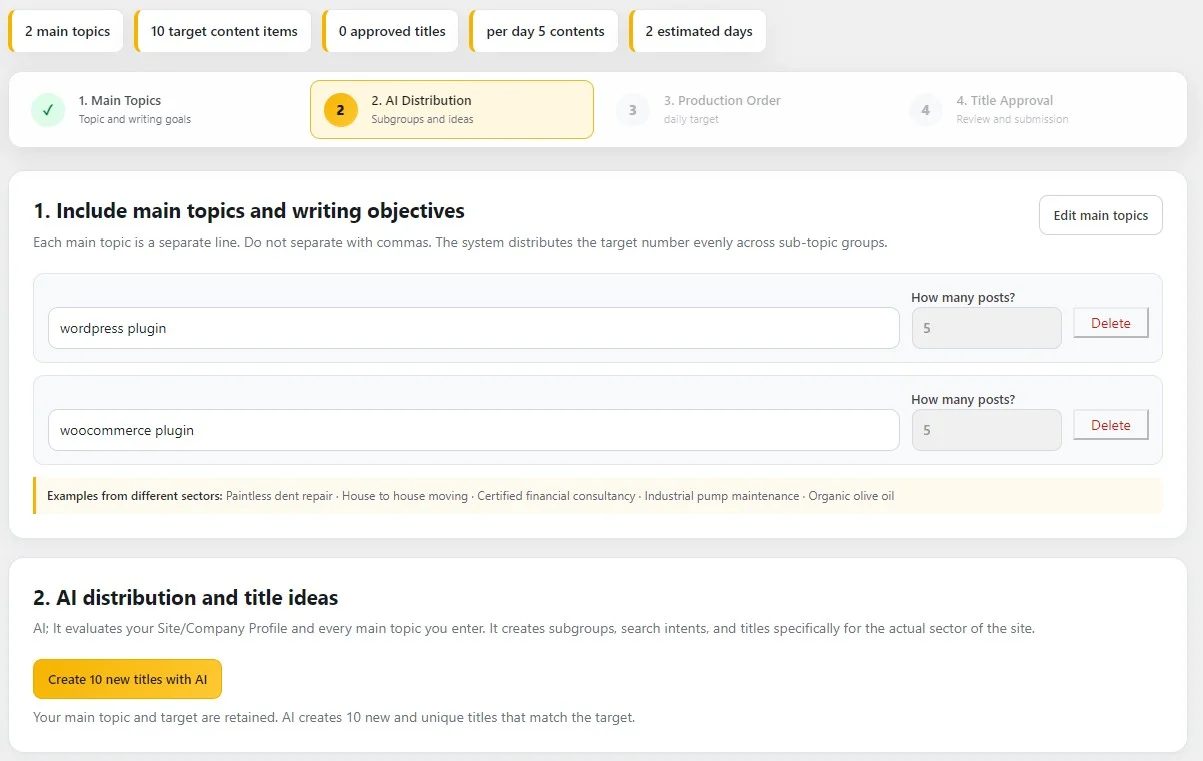
PW Feed can support this approach by combining WordPress AI content generation, SEO, GEO, AEO, internal linking, content planning, and wordpress plugin functionality.
The objective is to make important information explicit, accurate, well organized, and easy to connect.
𝗪𝗵𝘆 𝗔𝗜 𝗮𝘀𝘀𝗶𝘀𝘁𝗮𝗻𝘁𝘀 𝗰𝗵𝗮𝗻𝗴𝗲 𝗰𝗼𝗻𝘁𝗲𝗻𝘁 𝘀𝘁𝗿𝗮𝘁𝗲𝗴𝘆
Traditional search often presents several pages and allows the user to choose one.
An AI assistant may behave differently.
A user may ask:

How can I automate WordPress content without changing my theme?
Can AI create SEO-friendly WordPress posts?
What is the difference between SEO, GEO, and AEO?
Can WordPress articles be optimized for AI search?
The assistant may try to find information capable of answering these questions directly.
This means a website benefits from content that makes individual answers easy to identify.
Long, vague marketing copy creates more interpretation work.
Clear definitions and direct explanations create less.
This is one reason modern content strategy increasingly emphasizes clarity.
𝗧𝗵𝗲 𝗯𝗲𝘀𝘁 𝗔𝗜-𝗳𝗿𝗶𝗲𝗻𝗱𝗹𝘆 𝗰𝗼𝗻𝘁𝗲𝗻𝘁 𝗶𝘀 𝗼𝗳𝘁𝗲𝗻 𝗮𝗹𝘀𝗼 𝗯𝗲𝘁𝘁𝗲𝗿 𝗳𝗼𝗿 𝗽𝗲𝗼𝗽𝗹𝗲
There is no need to create robotic articles.

Consider these two sentences.
Our innovative ecosystem transforms modern digital workflows through intelligent optimization.
PW Feed helps WordPress website owners create AI-assisted SEO and GEO content through a structured publishing workflow.
The second sentence is easier to understand.
It identifies:
The product.
The platform.
The audience.
The function.
The optimization context.
A human reader benefits from this clarity.
An AI assistant does too.
This alignment is important.
AI optimization should improve communication rather than make content unnatural.
𝗗𝗲𝗳𝗶𝗻𝗲 𝘁𝗵𝗲 𝗺𝗮𝗶𝗻 𝗲𝗻𝘁𝗶𝘁𝘆 𝗰𝗹𝗲𝗮𝗿𝗹𝘆
An AI assistant should not need to guess what the page is talking about.
If the main entity is a product, explain what the product is.
If it is a service, explain what the service does.
If it is a company, make the company identity clear.
For example:
PW Feed is a WordPress-oriented AI content solution designed to support automated content generation, SEO, GEO, and publishing workflows.
This type of statement gives clear context.

The surrounding article can then explain individual functions.
A vague description such as our advanced platform may not provide enough information by itself.
𝗘𝗻𝘁𝗶𝘁𝘆 𝗿𝗲𝗹𝗮𝘁𝗶𝗼𝗻𝘀𝗵𝗶𝗽𝘀 𝘀𝗵𝗼𝘂𝗹𝗱 𝗯𝗲 𝗲𝘅𝗽𝗹𝗶𝗰𝗶𝘁
A website contains many related concepts.
AI assistants benefit when the relationships are stated directly.
For example:
PW Feed works with WordPress.
PW Feed supports AI-assisted content generation.
SEO focuses on traditional search discoverability.
GEO focuses on generative search environments.
AEO focuses on answer-oriented content.
Internal linking connects related WordPress pages.
These relationships create a semantic network.
The system does not need to infer every connection from context.
Explicit relationships can make content easier to interpret.
𝗖𝗼𝗻𝘀𝗶𝘀𝘁𝗲𝗻𝘁 𝗻𝗮𝗺𝗶𝗻𝗴 𝗶𝘀 𝗶𝗺𝗽𝗼𝗿𝘁𝗮𝗻𝘁
A product should not receive several unrelated names across the website unless those names have a real purpose.
For example, one page may call something:
PW Feed.
Another may call the same product:
PW WordPress AI SEO Content.
Another may use a broader descriptive phrase.

Variation can be useful, but the relationship should remain clear.
The official product name should appear consistently enough that readers and AI systems can identify the same entity.
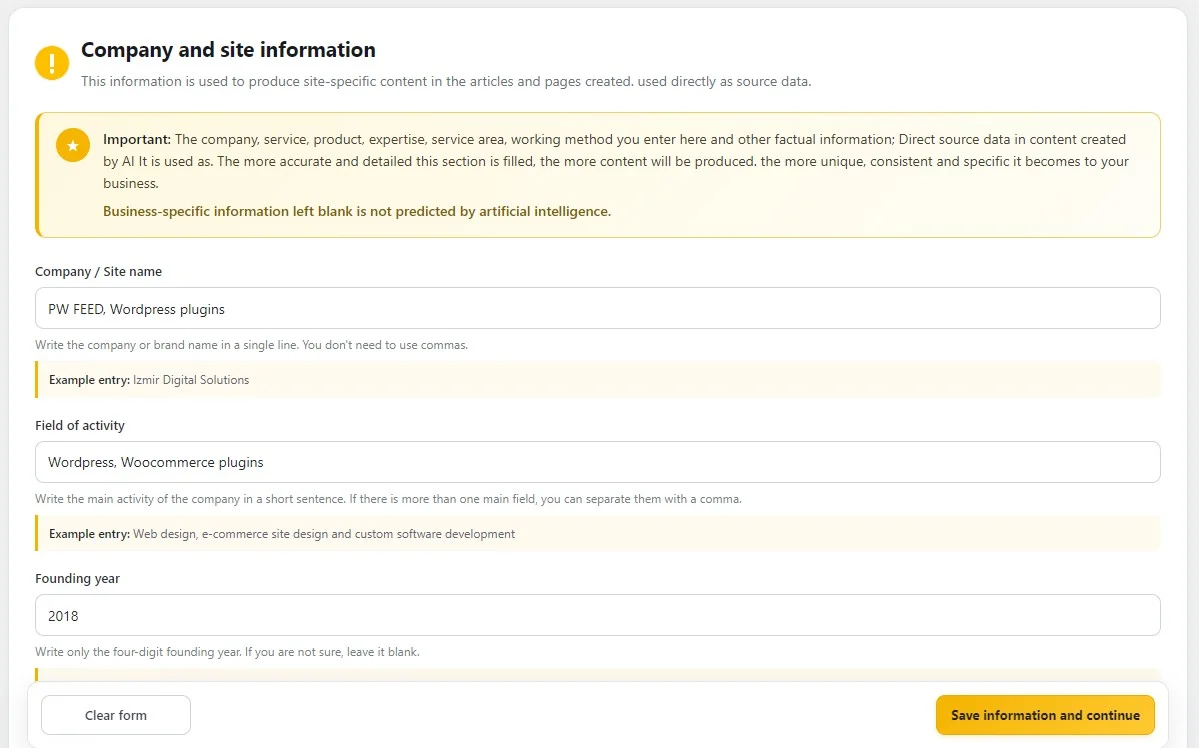
Preferred terminology can be stored as part of a business profile.
AI-generated content can then follow those rules.
𝗔𝘃𝗼𝗶𝗱 𝗮𝗺𝗯𝗶𝗴𝘂𝗼𝘂𝘀 𝗽𝗿𝗼𝗻𝗼𝘂𝗻𝘀 𝗶𝗻 𝗰𝗿𝗶𝘁𝗶𝗰𝗮𝗹 𝘀𝘁𝗮𝘁𝗲𝗺𝗲𝗻𝘁𝘀
Natural writing uses words such as it, this, they, and these.
That is normal.
However, important business statements should not become ambiguous.
For example:
It automatically creates content and optimizes it for search.
What does it refer to?
The previous paragraph may contain several products or technologies.
A clearer version would be:
PW Feed can generate WordPress content and incorporate SEO and GEO requirements into the content workflow.
The entity is explicit.
This can reduce interpretation errors.
𝗗𝗲𝗳𝗶𝗻𝗲 𝘁𝗲𝗰𝗵𝗻𝗶𝗰𝗮𝗹 𝘁𝗲𝗿𝗺𝘀
A WordPress website may use specialized terminology.
AI assistants can often understand technical terms, but definitions still improve clarity.
Useful examples include:
SEO means Search Engine Optimization.
GEO means Generative Engine Optimization.

AEO means Answer Engine Optimization.
A content cluster is a group of related pages organized around a broader subject.
Internal linking refers to links between pages on the same website.
A WordPress draft is content stored without being publicly published.
These definitions can be concise.
The objective is not to turn every article into a dictionary.
The objective is to ensure that the central concepts are understandable.
𝗧𝗵𝗲 𝗺𝗮𝗶𝗻 𝗾𝘂𝗲𝘀𝘁𝗶𝗼𝗻 𝘀𝗵𝗼𝘂𝗹𝗱 𝗯𝗲 𝗮𝗻𝘀𝘄𝗲𝗿𝗲𝗱 𝗲𝗮𝗿𝗹𝘆
Users asking AI assistants often want a direct answer.
If an article addresses a specific question, provide the answer clearly.
For example:
Can WordPress content be created automatically with AI?
Yes. AI can generate WordPress articles, prepare drafts, create metadata, and support publishing workflows when the system is configured for those tasks.
The rest of the article can explain conditions and limitations.
This structure provides:
Immediate clarity.
Detailed supporting information.
A clear passage that can be understood independently.
It is useful for users, GEO, and AEO.
𝗔𝘃𝗼𝗶𝗱 𝗺𝗮𝗸𝗶𝗻𝗴 𝘁𝗵𝗲 𝗿𝗲𝗮𝗱𝗲𝗿 𝘄𝗮𝗶𝘁 𝗳𝗼𝗿 𝘁𝗵𝗲 𝗮𝗻𝘀𝘄𝗲𝗿
Some articles begin with a long history lesson.
A user searching for a practical answer may need to scroll through many paragraphs.
This is often unnecessary.
Context should support the answer.
It should not delay it.
For example, an article about automatic WordPress publishing can answer the central question first and then discuss:
Draft versus direct publishing.
Quality controls.
Publishing limits.
SEO.
GEO.
Business context.
This improves the article for both conversational search and normal reading.
𝗘𝗮𝗰𝗵 𝘀𝗲𝗰𝘁𝗶𝗼𝗻 𝘀𝗵𝗼𝘂𝗹𝗱 𝗵𝗮𝘃𝗲 𝗮 𝗰𝗹𝗲𝗮𝗿 𝗽𝘂𝗿𝗽𝗼𝘀𝗲
A well-organized page is easier to interpret.
One section may explain a definition.
Another may describe a process.
Another may compare two options.
Another may explain limitations.
A weak article often mixes all of these ideas together.
AI assistants may still understand the content, but clearer separation creates better information units.
Descriptive section headings are particularly useful.
For example:
Why duplicate AI content happens.
How internal linking supports topic clusters.
When draft publishing is safer.
How GEO differs from traditional SEO.
These headings communicate the purpose immediately.
𝗔𝘃𝗼𝗶𝗱 𝘃𝗮𝗴𝘂𝗲 𝘀𝗲𝗰𝘁𝗶𝗼𝗻 𝗵𝗲𝗮𝗱𝗶𝗻𝗴𝘀
A heading such as:
The future is here
provides almost no semantic information.
A heading such as:
How AI search changes WordPress content strategy
is much clearer.
Creative language can be used where appropriate, but informational content generally benefits from descriptive headings.
This helps readers scan.
It also makes article structure easier to interpret programmatically.
𝗢𝗻𝗲 𝗽𝗮𝗿𝗮𝗴𝗿𝗮𝗽𝗵 𝘀𝗵𝗼𝘂𝗹𝗱 𝗻𝗼𝗿𝗺𝗮𝗹𝗹𝘆 𝗵𝗮𝘃𝗲 𝗼𝗻𝗲 𝗺𝗮𝗶𝗻 𝗶𝗱𝗲𝗮
Very dense paragraphs can contain several separate arguments.
Separating them improves readability.
For example, one paragraph can explain what GEO is.
The next can explain why entity clarity matters.
Another can explain how internal linking supports the same strategy.
The article becomes easier to follow.
This does not mean every sentence needs a separate paragraph.
The objective is coherent information grouping.
𝗦𝗲𝗻𝘁𝗲𝗻𝗰𝗲𝘀 𝘀𝗵𝗼𝘂𝗹𝗱 𝗯𝗲 𝗽𝗿𝗲𝗰𝗶𝘀𝗲
Complex sentence structure is sometimes necessary.
However, unnecessarily long sentences can create ambiguity.
For example:
Our solution, which is designed using innovative AI systems that help various companies operating through WordPress in different markets and industries, can potentially provide several methods by which content might be optimized.
This can be simplified.
PW Feed helps WordPress websites create AI-assisted content. The workflow can incorporate SEO, GEO, and publishing rules according to the site’s configuration.
Shorter, clearer sentences can communicate more effectively.
𝗔𝘃𝗼𝗶𝗱 𝘂𝗻𝗻𝗲𝗰𝗲𝘀𝘀𝗮𝗿𝘆 𝗷𝗮𝗿𝗴𝗼𝗻
Technical terminology should be used when it contributes meaning.
Marketing jargon often does not.
Examples of weak phrases include:
Next-generation ecosystem.
Revolutionary digital transformation engine.
Future-ready optimization framework.
Intelligent visibility paradigm.
These phrases may sound sophisticated but communicate little.
Specific language is stronger.
For example:
AI can generate WordPress drafts according to predefined content rules.
This sentence explains an actual function.
Specificity helps both users and AI assistants.
𝗔𝗻𝘀𝘄𝗲𝗿 𝗿𝗲𝗹𝗮𝘁𝗲𝗱 𝗾𝘂𝗲𝘀𝘁𝗶𝗼𝗻𝘀 𝗻𝗲𝗮𝗿 𝘁𝗵𝗲 𝗺𝗮𝗶𝗻 𝘁𝗼𝗽𝗶𝗰
Users rarely have only one question.
An article can anticipate the natural next questions.
For example, an article about AI-generated WordPress content may also answer:
Can it be saved as a draft?
Can it be published automatically?
How can duplicate topics be prevented?
Can SEO metadata be generated?
Can GEO be included?
These secondary questions belong to the broader subject.
Answering them creates richer context.
The article becomes more useful without losing focus.
𝗨𝘀𝗲 𝗙𝗔𝗤𝘀 𝘄𝗵𝗲𝗻 𝘁𝗵𝗲𝘆 𝗮𝗱𝗱 𝗿𝗲𝗮𝗹 𝘃𝗮𝗹𝘂𝗲
Frequently asked questions can provide concise answer units.
However, FAQ sections should not be generated automatically without purpose.
The questions should reflect real user needs.
Good sources include:
Customer support.
Sales discussions.
Search queries.
Contact messages.
Product questions.
Implementation problems.
AI can help organize these questions and draft answers.
Business facts should still be verified.
𝗘𝘅𝗽𝗹𝗮𝗶𝗻 𝗱𝗶𝗳𝗳𝗲𝗿𝗲𝗻𝗰𝗲𝘀 𝗰𝗹𝗲𝗮𝗿𝗹𝘆
AI assistants are frequently asked comparison questions.
Content should make important distinctions explicit.
For example:
SEO focuses primarily on visibility in traditional search environments.
GEO focuses on improving how information can be interpreted in generative search environments.
AEO focuses on making information easier to use in direct-answer experiences.
These areas overlap.
They are not identical.
A page that clearly explains differences can become useful for many conversational queries.
𝗔𝘃𝗼𝗶𝗱 𝗰𝗼𝗻𝗳𝗹𝗶𝗰𝘁𝗶𝗻𝗴 𝗱𝗲𝗳𝗶𝗻𝗶𝘁𝗶𝗼𝗻𝘀
If one article defines GEO one way and another provides a completely different meaning, the site’s information becomes less coherent.
Definitions do not need to be word-for-word identical.
They should remain conceptually consistent.
A content profile can establish preferred definitions for important terms.
AI-generated articles can then use those definitions as a foundation.
This helps create stronger site-wide clarity.
𝗘𝘅𝗽𝗹𝗮𝗶𝗻 𝗽𝗿𝗼𝗰𝗲𝘀𝘀𝗲𝘀 𝗶𝗻 𝗮 𝗹𝗼𝗴𝗶𝗰𝗮𝗹 𝗼𝗿𝗱𝗲𝗿
Process content is particularly useful for AI assistants.
A clear sequence may explain:
Select a topic.
Define the search intent.
Check existing content.
Generate the article.
Create SEO metadata.
Add internal links.
Review or publish.
This is easier to understand than describing the steps in random order.
Sequential information is useful for:
Tutorials.
Workflows.
Implementation guides.
Product explanations.
WordPress automation content often benefits from this structure.
𝗕𝗲 𝗰𝗹𝗲𝗮𝗿 𝗮𝗯𝗼𝘂𝘁 𝗰𝗼𝗻𝗱𝗶𝘁𝗶𝗼𝗻𝘀
Some statements are true only under certain conditions.
These conditions should be explained.
For example:
AI content can be published automatically if the website allows direct publishing and the content passes the required rules.
This is more accurate than:
AI content publishes automatically.
The first sentence communicates the condition.
Conditional clarity reduces misleading interpretations.
This is particularly important for product functionality.
𝗗𝗶𝘀𝘁𝗶𝗻𝗴𝘂𝗶𝘀𝗵 𝗯𝗲𝘁𝘄𝗲𝗲𝗻 𝗳𝗮𝗰𝘁, 𝗿𝗲𝗰𝗼𝗺𝗺𝗲𝗻𝗱𝗮𝘁𝗶𝗼𝗻, 𝗮𝗻𝗱 𝗲𝘅𝗮𝗺𝗽𝗹𝗲
A factual statement should be presented as fact.
A recommendation should be identified as guidance.
A hypothetical scenario should not look like a real case study.
For example:
A small business could use draft-first publishing during its initial AI content tests.
This is clearly an example.
Compare that with:
Small businesses always use draft-first publishing.
The second is an unsupported generalization.
Precise distinctions improve content credibility.
𝗗𝗼 𝗻𝗼𝘁 𝗽𝗿𝗲𝘀𝗲𝗻𝘁 𝗵𝘆𝗽𝗼𝘁𝗵𝗲𝘁𝗶𝗰𝗮𝗹 𝗰𝗮𝘀𝗲𝘀 𝗮𝘀 𝗿𝗲𝗮𝗹 𝗰𝘂𝘀𝘁𝗼𝗺𝗲𝗿𝘀
AI can create realistic stories.
This capability should be handled carefully.
If an example is invented to explain a concept, describe it as an example.
Real customer testimonials should come from real customers.
Real performance claims should use real data.
An AI assistant interpreting the page should not be given fictional evidence presented as fact.
This is important for trust and information quality.
𝗔𝗰𝗰𝘂𝗿𝗮𝘁𝗲 𝗯𝘂𝘀𝗶𝗻𝗲𝘀𝘀 𝗶𝗻𝗳𝗼𝗿𝗺𝗮𝘁𝗶𝗼𝗻 𝗺𝗮𝘁𝘁𝗲𝗿𝘀
A WordPress website may contain information about:
Business identity.
Products.
Services.
Locations.
Contact options.
Operating areas.
Pricing.
Features.
These facts should be consistent.
A page should not claim that a business operates internationally if another page says it serves only one location.
A product should not be described as having a feature that does not exist.
AI assistants may encounter several pages from the same domain.
Conflicting information can reduce clarity.
𝗞𝗲𝗲𝗽 𝗰𝗵𝗮𝗻𝗴𝗲𝗮𝗯𝗹𝗲 𝗶𝗻𝗳𝗼𝗿𝗺𝗮𝘁𝗶𝗼𝗻 𝗲𝗮𝘀𝘆 𝘁𝗼 𝗺𝗮𝗶𝗻𝘁𝗮𝗶𝗻
Information such as pricing can change.
Repeating specific figures across dozens of articles creates maintenance risk.
In some cases, it is better to direct users to a central purchase or pricing page.
Readers who want additional information about PW Feed and its WordPress AI content capabilities can continue through the PW Feed contact page.
Users ready to review current purchasing options can proceed to the PW Feed buy page.
Centralizing frequently changing commercial information can reduce contradictions.
𝗟𝗼𝗰𝗮𝘁𝗶𝗼𝗻 𝗶𝗻𝗳𝗼𝗿𝗺𝗮𝘁𝗶𝗼𝗻 𝘀𝗵𝗼𝘂𝗹𝗱 𝗯𝗲 𝗲𝘅𝗽𝗹𝗶𝗰𝗶𝘁
Local businesses need particular care.
An AI assistant may need to understand:
Where the business is physically located.
Which areas it serves.
Whether a location is a branch or only a service area.
Which services are available in each location.
These distinctions should be clear.
A business should not create artificial location signals simply to appear relevant to more searches.
Accurate geography improves user trust, local SEO, and GEO clarity.
𝗠𝘂𝗹𝘁𝗶-𝗹𝗼𝗰𝗮𝘁𝗶𝗼𝗻 𝘀𝗶𝘁𝗲𝘀 𝗻𝗲𝗲𝗱 𝗰𝗹𝗲𝗮𝗿 𝗹𝗼𝗰𝗮𝘁𝗶𝗼𝗻 𝗽𝗿𝗼𝗳𝗶𝗹𝗲𝘀
Businesses with several genuine branches may need separate context for each location.
Each profile can contain:
Address.
Contact information.
Opening hours.
Available services.
Geographic coverage.
AI-generated content should use the correct profile for the correct page.
Mixing information between branches can create factual errors.
Structured context can help prevent this.
𝗣𝗿𝗼𝗱𝘂𝗰𝘁 𝗽𝗮𝗴𝗲𝘀 𝘀𝗵𝗼𝘂𝗹𝗱 𝗲𝘅𝗽𝗹𝗮𝗶𝗻 𝘄𝗵𝗮𝘁 𝘁𝗵𝗲 𝗽𝗿𝗼𝗱𝘂𝗰𝘁 𝗮𝗰𝘁𝘂𝗮𝗹𝗹𝘆 𝗱𝗼𝗲𝘀
Product pages sometimes rely heavily on slogans.
AI assistants need actual information.
A strong product description may explain:
What the product is.
Who uses it.
Which platform it works with.
What tasks it performs.
What limitations exist.
What the next step is.
For PW Feed, this means clearly describing its relationship with WordPress content generation, SEO, GEO, and publishing workflows.
Specific functionality is more useful than generic claims.
𝗦𝗲𝗿𝘃𝗶𝗰𝗲 𝗽𝗮𝗴𝗲𝘀 𝘀𝗵𝗼𝘂𝗹𝗱 𝗱𝗲𝗳𝗶𝗻𝗲 𝘁𝗵𝗲 𝘀𝗲𝗿𝘃𝗶𝗰𝗲
A service page should answer:
What is the service?
Who is it for?
What problem does it solve?
How does it work?
Where is it available?
What should the customer do next?
These questions provide clear entity and intent signals.
They also help human visitors make decisions.
A vague service page creates weaker information for both audiences.
𝗖𝗼𝗻𝘁𝗲𝗻𝘁 𝗰𝗹𝘂𝘀𝘁𝗲𝗿𝘀 𝗵𝗲𝗹𝗽 𝗔𝗜 𝗮𝘀𝘀𝗶𝘀𝘁𝗮𝗻𝘁𝘀 𝗳𝗶𝗻𝗱 𝗱𝗲𝗽𝘁𝗵
One page cannot answer every question about a broad subject.
Content clusters provide depth.
For example, a WordPress AI content cluster may include:
AI content generation.
Automatic publishing.
Draft workflows.
SEO titles.
Meta descriptions.
Internal linking.
GEO.
AI search.
Each article answers a distinct question.
Internal links connect them.
This creates a deeper knowledge environment without making every page overly broad.
𝗜𝗻𝘁𝗲𝗿𝗻𝗮𝗹 𝗹𝗶𝗻𝗸𝘀 𝗲𝘅𝗽𝗹𝗮𝗶𝗻 𝗿𝗲𝗹𝗮𝘁𝗶𝗼𝗻𝘀𝗵𝗶𝗽𝘀
A contextual internal link can indicate that two subjects belong together.
For example:
An article about SEO titles may link to meta descriptions.
An article about content planning may link to content clusters.
A GEO article may link to AI search optimization.
This creates navigational and semantic relationships.
A wordpress plugin can help identify these opportunities at scale.
The destination should always be relevant.
Random links create noise rather than clarity.
𝗢𝗿𝗽𝗵𝗮𝗻 𝗽𝗮𝗴𝗲𝘀 𝗰𝗮𝗻 𝗯𝗲 𝗵𝗮𝗿𝗱𝗲𝗿 𝘁𝗼 𝗽𝗹𝗮𝗰𝗲 𝗶𝗻 𝗰𝗼𝗻𝘁𝗲𝘅𝘁
A page with no meaningful internal connections may appear isolated.
This can also be a content-strategy signal.
Perhaps the page belongs to an underdeveloped cluster.
Perhaps it needs additional links.
Perhaps it covers a subject outside the site’s main focus.
AI can help identify orphan pages and evaluate their relationships.
The correct solution may be linking, expansion, consolidation, or removal.
𝗘𝘅𝘁𝗲𝗿𝗻𝗮𝗹 𝘀𝗼𝘂𝗿𝗰𝗲𝘀 𝗰𝗮𝗻 𝗶𝗺𝗽𝗿𝗼𝘃𝗲 𝗳𝗮𝗰𝘁𝘂𝗮𝗹 𝗰𝗼𝗻𝘁𝗲𝘅𝘁 𝘄𝗵𝗲𝗻 𝗻𝗲𝗲𝗱𝗲𝗱
Some articles depend on external facts.
A technical article may reference official documentation.
A regulatory article may require an authoritative government source.
A scientific article may rely on primary research.
Relevant sourcing can improve reliability.
However, links should not be added merely to make a page look authoritative.
The source should genuinely support the information.
For evergreen business content, not every paragraph needs an external citation.
𝗨𝗽𝗱𝗮𝘁𝗲 𝗼𝗹𝗱 𝗮𝗿𝘁𝗶𝗰𝗹𝗲𝘀 𝘄𝗵𝗲𝗻 𝘁𝗵𝗲 𝗺𝗲𝗮𝗻𝗶𝗻𝗴 𝗵𝗮𝘀 𝗰𝗵𝗮𝗻𝗴𝗲𝗱
AI assistants can encounter old content.
If outdated terminology remains on the website, it may create confusion.
Important older pages should therefore be reviewed periodically.
Possible updates include:
New product names.
Changed features.
New terminology.
Updated definitions.
Better GEO context.
Improved internal links.
Content maintenance supports both current users and AI interpretation.
𝗗𝗼 𝗻𝗼𝘁 𝗿𝗲𝘄𝗿𝗶𝘁𝗲 𝗼𝗹𝗱 𝗽𝗮𝗴𝗲𝘀 𝘄𝗶𝘁𝗵𝗼𝘂𝘁 𝗮 𝗿𝗲𝗮𝘀𝗼𝗻
A high-performing article does not need to be replaced simply because AI can produce another version.
Existing information may already be strong.
A better approach is targeted improvement.
For example:
Clarify one definition.
Add one missing question.
Improve an internal link.
Correct outdated terminology.
Preserve what works.
This reduces unnecessary content instability.
𝗠𝗮𝗸𝗲 𝗶𝗺𝗽𝗼𝗿𝘁𝗮𝗻𝘁 𝗳𝗮𝗰𝘁𝘀 𝗲𝗮𝘀𝘆 𝘁𝗼 𝗳𝗶𝗻𝗱
Critical information should not be buried in an unrelated paragraph.
For a product page, key functionality should be easy to locate.
For a service page, availability should be clear.
For a local business, location should be explicit.
For an instructional article, the main procedure should be organized logically.
This helps a reader find information quickly.
It also creates clearer information units for AI assistants.
𝗨𝘀𝗲 𝗱𝗶𝗿𝗲𝗰𝘁 𝗰𝗼𝗺𝗽𝗮𝗿𝗶𝘀𝗼𝗻𝘀 𝘄𝗵𝗲𝗻 𝗰𝗼𝗻𝗰𝗲𝗽𝘁𝘀 𝗮𝗿𝗲 𝗲𝗮𝘀𝗶𝗹𝘆 𝗰𝗼𝗻𝗳𝘂𝘀𝗲𝗱
Some concepts overlap.
Users may need help distinguishing them.
For example:
Draft publishing creates content for review before it becomes public.
Direct publishing sends approved generated content live automatically.
SEO targets traditional search visibility.
GEO addresses generative search visibility and interpretation.
AEO emphasizes direct-answer readiness.
Clear contrasts reduce ambiguity.
Comparison content can therefore be particularly valuable for AI assistants.
𝗟𝗶𝘀𝘁𝘀 𝗰𝗮𝗻 𝗯𝗲 𝘂𝘀𝗲𝗳𝘂𝗹 𝗳𝗼𝗿 𝗴𝗿𝗼𝘂𝗽𝗲𝗱 𝗳𝗮𝗰𝘁𝘀
When several items belong to the same category, a list can improve clarity.
For example, a WordPress AI content workflow may involve:
Topic selection.
Content generation.
SEO title creation.
Meta description creation.
Internal linking.
Draft review.
Publishing.
The grouping is immediately visible.
Lists should be used where they simplify information.
They should not replace normal explanatory writing entirely.
𝗧𝗮𝗯𝗹𝗲𝘀 𝗰𝗮𝗻 𝗵𝗲𝗹𝗽 𝘄𝗶𝘁𝗵 𝗿𝗲𝗮𝗹 𝗰𝗼𝗺𝗽𝗮𝗿𝗶𝘀𝗼𝗻𝘀
Some comparisons can be clearer in a table.
Examples might include:
Draft versus direct publishing.
SEO versus GEO versus AEO.
Manual versus AI-assisted production.
However, a table should provide genuine value.
Do not create a table simply because structured content appears machine-friendly.
The primary objective remains user understanding.
𝗦𝘁𝗿𝘂𝗰𝘁𝘂𝗿𝗲𝗱 𝗱𝗮𝘁𝗮 𝗮𝗻𝗱 𝘃𝗶𝘀𝗶𝗯𝗹𝗲 𝗰𝗼𝗻𝘁𝗲𝗻𝘁 𝘀𝗵𝗼𝘂𝗹𝗱 𝗮𝗴𝗿𝗲𝗲
A WordPress website may use structured data.
The information inside it should match what users see.
If structured data describes one service while the page describes another, inconsistency is created.
The same applies to:
Business names.
Addresses.
Product information.
FAQ data.
Service information.
SEO, GEO, and structured data are strongest when they reflect one coherent source of truth.
𝗦𝗰𝗵𝗲𝗺𝗮 𝗱𝗼𝗲𝘀 𝗻𝗼𝘁 𝗿𝗲𝗽𝗹𝗮𝗰𝗲 𝗰𝗹𝗲𝗮𝗿 𝘄𝗿𝗶𝘁𝗶𝗻𝗴
Structured data can provide useful machine-readable context.
It does not justify vague visible content.
A product page still needs to explain the product clearly.
A service page still needs useful information.
An FAQ still needs real answers.
Visible content and structured information should complement one another.
One should not compensate for weakness in the other.
𝗖𝗼𝗻𝘁𝗲𝗻𝘁 𝘀𝗵𝗼𝘂𝗹𝗱 𝗿𝗲𝗺𝗮𝗶𝗻 𝗮𝗰𝗰𝗲𝘀𝘀𝗶𝗯𝗹𝗲 𝗶𝗻 𝗻𝗼𝗿𝗺𝗮𝗹 𝗪𝗼𝗿𝗱𝗣𝗿𝗲𝘀𝘀 𝗽𝗮𝗴𝗲𝘀
Important informational content should not depend entirely on complex interactions where the text is difficult to access.
Standard WordPress article content has an advantage.
It can be:
Read by users.
Indexed by search engines.
Linked internally.
Updated later.
Organized into clusters.
A wordpress plugin can help generate this content while allowing the theme to handle presentation.
𝗬𝗼𝘂 𝗱𝗼 𝗻𝗼𝘁 𝗻𝗲𝗲𝗱 𝗮 𝘀𝗽𝗲𝗰𝗶𝗮𝗹 𝗪𝗼𝗿𝗱𝗣𝗿𝗲𝘀𝘀 𝘁𝗵𝗲𝗺𝗲 𝗳𝗼𝗿 𝗔𝗜 𝗰𝗹𝗮𝗿𝗶𝘁𝘆
AI-friendly content is primarily about information.
The existing theme can remain when it already displays content clearly.
A useful article still needs:
A readable layout.
Clear headings.
Accessible text.
Usable internal links.
Mobile readability.
But the website does not need a special visual design labeled AI-ready.
The content and site architecture matter more than fashionable design terminology.
𝗔𝗜 𝗰𝗼𝗻𝘁𝗲𝗻𝘁 𝗴𝗲𝗻𝗲𝗿𝗮𝘁𝗶𝗼𝗻 𝘀𝗵𝗼𝘂𝗹𝗱 𝗮𝗽𝗽𝗹𝘆 𝗰𝗹𝗮𝗿𝗶𝘁𝘆 𝗿𝘂𝗹𝗲𝘀 𝗳𝗿𝗼𝗺 𝘁𝗵𝗲 𝘀𝘁𝗮𝗿𝘁
It is easier to create clear content than to repair unclear content later.
A generation workflow can include rules such as:
Define the main concept.
Answer the main question early.
Use consistent product names.
Avoid unsupported claims.
Explain technical terms.
Keep sections focused.
Include relevant internal links.
Avoid duplicated search intent.
Use real business information.
This makes AI-readiness part of production.
It does not need to become a separate optimization stage.
𝗣𝗪 𝗙𝗲𝗲𝗱 𝗰𝗮𝗻 𝗰𝗼𝗻𝗻𝗲𝗰𝘁 𝘁𝗵𝗲𝘀𝗲 𝗿𝘂𝗹𝗲𝘀 𝘁𝗼 𝗪𝗼𝗿𝗱𝗣𝗿𝗲𝘀𝘀
PW Feed can support WordPress users who want AI-assisted content generation to incorporate SEO, GEO, and answer-oriented clarity.
The site owner can define business context.
Topics can be selected.
AI can generate the article.
The content can use consistent terminology.
Important questions can receive direct answers.
Internal links can connect related pages.
The article can become a draft or publish according to defined rules.
This creates a more integrated WordPress content workflow.
𝗗𝗿𝗮𝗳𝘁 𝗿𝗲𝘃𝗶𝗲𝘄 𝗶𝘀 𝘂𝘀𝗲𝗳𝘂𝗹 𝗳𝗼𝗿 𝗲𝗻𝘁𝗶𝘁𝘆 𝗮𝗰𝗰𝘂𝗿𝗮𝗰𝘆
An AI-generated article may sound clear but still contain an incorrect business detail.
Draft review can verify:
Product names.
Features.
Locations.
Definitions.
Service descriptions.
Commercial claims.
Links.
This is especially valuable while the site’s content profile is being refined.
Once the system consistently uses verified information, selected low-risk content may require less review.
𝗗𝗶𝗿𝗲𝗰𝘁 𝗽𝘂𝗯𝗹𝗶𝘀𝗵𝗶𝗻𝗴 𝘀𝗵𝗼𝘂𝗹𝗱 𝘂𝘀𝗲 𝘃𝗮𝗹𝗶𝗱𝗮𝘁𝗶𝗼𝗻 𝗿𝘂𝗹𝗲𝘀
Automatic publishing can be efficient.
It also increases the importance of validation.
Before publication, the workflow can check:
Is the topic approved?
Is the business context available?
Is the page distinct from existing content?
Are titles unique?
Are prohibited claims absent?
Are publishing limits respected?
If validation fails, the article can remain a draft.
This protects the website while allowing automation.
𝗔𝗜 𝗮𝘀𝘀𝗶𝘀𝘁𝗮𝗻𝘁 𝗿𝗲𝗮𝗱𝗮𝗯𝗶𝗹𝗶𝘁𝘆 𝘀𝗵𝗼𝘂𝗹𝗱 𝗯𝗲 𝘀𝗶𝘁𝗲-𝘄𝗶𝗱𝗲
One perfectly structured article is useful.
A consistent site is stronger.
The business should gradually improve:
Product pages.
Service pages.
Important articles.
FAQ content.
Topic clusters.
Internal linking.
Business descriptions.
This creates a coherent information environment.
AI assistants encountering multiple pages receive consistent signals.
𝗢𝗹𝗱 𝗰𝗼𝗻𝘁𝗲𝗻𝘁 𝗰𝗮𝗻 𝗯𝗲 𝗶𝗺𝗽𝗿𝗼𝘃𝗲𝗱 𝗴𝗿𝗮𝗱𝘂𝗮𝗹𝗹𝘆
There is no need to rewrite an entire WordPress website immediately.
Prioritize important pages.
For example:
Primary product pages.
Core service pages.
High-traffic articles.
Central cluster pages.
Frequently linked resources.
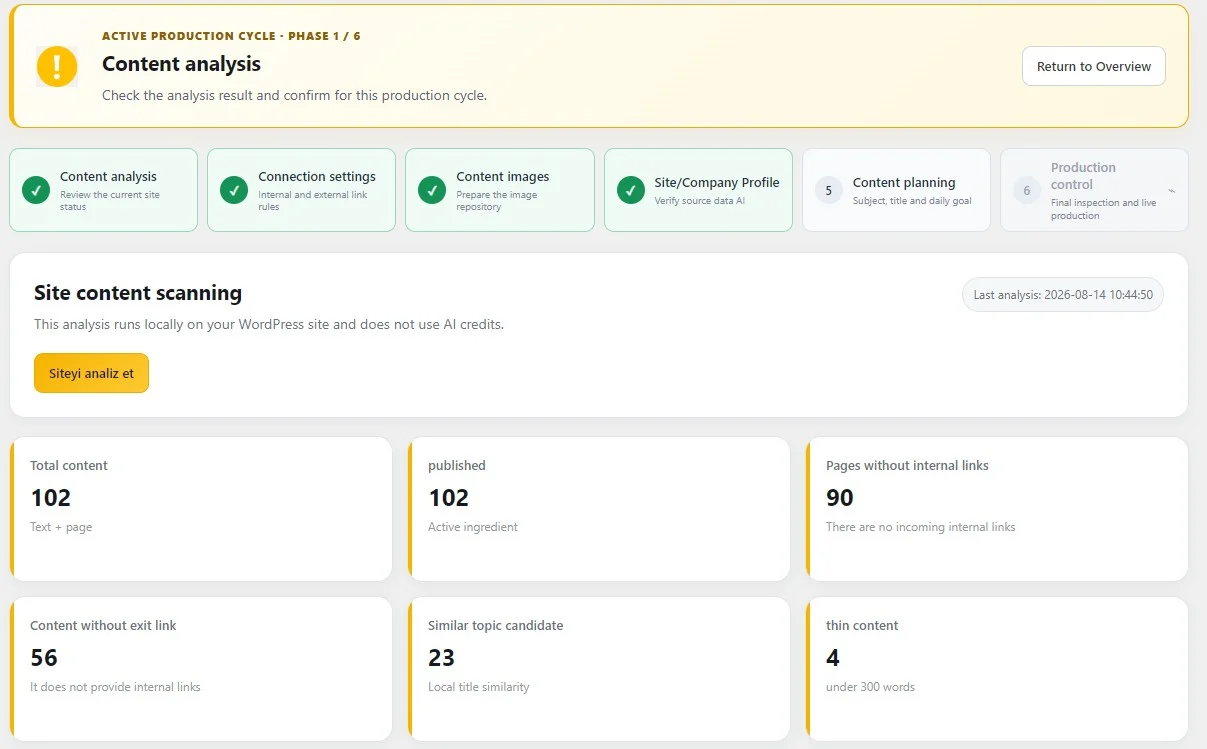
AI can help identify pages with unclear definitions, weak structure, or inconsistent terminology.
The improvement process can then continue gradually.
𝗖𝗼𝗻𝘁𝗲𝗻𝘁 𝗮𝘂𝗱𝗶𝘁𝘀 𝗰𝗮𝗻 𝗰𝗵𝗲𝗰𝗸 𝗳𝗼𝗿 𝗔𝗜 𝗰𝗹𝗮𝗿𝗶𝘁𝘆
A content audit can look for issues such as:
Undefined technical terms.
Conflicting product descriptions.
Duplicate topics.
Vague section headings.
Missing direct answers.
Weak internal links.
Outdated facts.
Ambiguous location information.
Generic service descriptions.
This creates an optimization queue.
AI can assist with identifying and improving these issues.
𝗧𝗵𝗲 𝗴𝗼𝗮𝗹 𝗶𝘀 𝗻𝗼𝘁 𝘁𝗼 𝗳𝗼𝗿𝗰𝗲 𝗔𝗜 𝗺𝗲𝗻𝘁𝗶𝗼𝗻𝘀 𝗶𝗻𝘁𝗼 𝗲𝘃𝗲𝗿𝘆 𝗽𝗮𝗴𝗲
A page does not become easier for AI assistants to understand because it repeatedly uses words such as AI, GEO, or generative search.
The underlying information needs to be clear.
An article about a local service can be AI-friendly without discussing artificial intelligence at all.
It can clearly explain:
The service.
The location.
The process.
The customer problem.
The business.
This demonstrates an important principle.
AI-friendly content is not necessarily content about AI.
It is content that is easy to interpret.
𝗧𝗵𝗲 𝘀𝗮𝗺𝗲 𝗽𝗿𝗶𝗻𝗰𝗶𝗽𝗹𝗲𝘀 𝗮𝗽𝗽𝗹𝘆 𝘁𝗼 𝗲-𝗰𝗼𝗺𝗺𝗲𝗿𝗰𝗲
A WooCommerce product page can become easier to understand by clearly stating:
Product name.
Product type.
Brand.
Model.
Compatibility.
Important specifications.
Intended use.
Limitations.
A vague supplier description provides weaker information.
AI-assisted content can help organize product information, but factual data should come from verified sources.
𝗧𝗵𝗲 𝘀𝗮𝗺𝗲 𝗽𝗿𝗶𝗻𝗰𝗶𝗽𝗹𝗲𝘀 𝗮𝗽𝗽𝗹𝘆 𝘁𝗼 𝗹𝗼𝗰𝗮𝗹 𝘀𝗲𝗿𝘃𝗶𝗰𝗲 𝗰𝗼𝗺𝗽𝗮𝗻𝗶𝗲𝘀
A local service website can clarify:
Business identity.
Real physical location.
Service areas.
Services.
Contact methods.
Opening information.
Customer questions.
These facts can support traditional local SEO and generative discovery simultaneously.
Again, the objective is clarity rather than AI-specific wording.
𝗧𝗵𝗲 𝘀𝗮𝗺𝗲 𝗽𝗿𝗶𝗻𝗰𝗶𝗽𝗹𝗲𝘀 𝗮𝗽𝗽𝗹𝘆 𝘁𝗼 𝗻𝗶𝗰𝗵𝗲 𝗽𝘂𝗯𝗹𝗶𝘀𝗵𝗲𝗿𝘀
A niche WordPress site can develop strong AI-readable content by:
Defining specialized terminology.
Building topic clusters.
Answering detailed questions.
Maintaining clear internal links.
Avoiding duplicate search intent.
Providing specialist examples.
The site’s narrow focus can become an advantage.
It can explain one field in more depth than a broad general website.
𝗔𝗴𝗲𝗻𝗰𝗶𝗲𝘀 𝗰𝗮𝗻 𝘀𝘁𝗮𝗻𝗱𝗮𝗿𝗱𝗶𝘇𝗲 𝗰𝗹𝗮𝗿𝗶𝘁𝘆 𝗿𝘂𝗹𝗲𝘀
Agencies managing many WordPress sites can create common editorial standards.
For example:
Define important terms.
Use client-specific business profiles.
Answer primary questions directly.
Avoid vague claims.
Keep page intent distinct.
Use accurate locations.
Create relevant internal links.
These standards can remain common.
The actual business information and content stay client-specific.
This provides scalable quality without creating duplicate client websites.
𝗔𝗜 𝗮𝘀𝘀𝗶𝘀𝘁𝗮𝗻𝘁 𝗼𝗽𝘁𝗶𝗺𝗶𝘇𝗮𝘁𝗶𝗼𝗻 𝘀𝗵𝗼𝘂𝗹𝗱 𝗻𝗼𝘁 𝗽𝗿𝗼𝗱𝘂𝗰𝗲 𝗳𝗮𝗹𝘀𝗲 𝗰𝗲𝗿𝘁𝗮𝗶𝗻𝘁𝘆
No website can guarantee that a particular AI assistant will use or cite its content.
The objective is to improve the quality and interpretability of the information.
A responsible strategy can aim to improve:
Clarity.
Consistency.
Relevance.
Coverage.
Entity relationships.
Direct answers.
It should avoid claims of guaranteed AI inclusion or visibility.
𝗦𝗘𝗢, 𝗚𝗘𝗢, 𝗮𝗻𝗱 𝗔𝗘𝗢 𝗰𝗮𝗻 𝘀𝗵𝗮𝗿𝗲 𝘁𝗵𝗲 𝘀𝗮𝗺𝗲 𝗳𝗼𝘂𝗻𝗱𝗮𝘁𝗶𝗼𝗻
Strong content can support all three.
SEO benefits from:
Relevant search intent.
Useful pages.
Clear titles.
Internal links.
GEO benefits from:
Entity clarity.
Consistent terminology.
Explicit relationships.
AEO benefits from:
Direct answers.
Question-focused sections.
Concise explanations.
These principles reinforce one another.
There is no need to create three separate versions of the same article.
𝗣𝗪 𝗙𝗲𝗲𝗱 𝗮𝗻𝗱 𝗔𝗜-𝗿𝗲𝗮𝗱𝗮𝗯𝗹𝗲 𝗪𝗼𝗿𝗱𝗣𝗿𝗲𝘀𝘀 𝗰𝗼𝗻𝘁𝗲𝗻𝘁
PW Feed can support a content-generation workflow designed around these combined principles.
The site provides verified context.
AI generates the article.
SEO guides traditional search relevance.
GEO encourages clear entity relationships.
AEO supports direct answers.
Internal links connect related pages.
Publishing rules determine whether content becomes a draft or is published.
The wordpress plugin environment keeps these operations close to WordPress.
This makes AI-oriented content strategy more practical for businesses without large editorial teams.
𝗖𝗹𝗮𝗿𝗶𝘁𝘆 𝘀𝗵𝗼𝘂𝗹𝗱 𝗯𝗲 𝗺𝗲𝗮𝘀𝘂𝗿𝗲𝗱 𝗯𝘆 𝘂𝘀𝗲𝗳𝘂𝗹𝗻𝗲𝘀𝘀
There is no single AI-readability score that guarantees success.
A better evaluation asks practical questions.
Can a new visitor understand what the product does?
Can the main question be answered quickly?
Are important terms defined?
Do pages contradict one another?
Can related information be found through internal links?
Are locations accurate?
Are commercial claims supported?
These questions describe real information quality.
𝗧𝗵𝗲 𝗯𝗲𝘀𝘁 𝘁𝗲𝘀𝘁 𝗶𝘀 𝗼𝗳𝘁𝗲𝗻 𝘀𝗶𝗺𝗽𝗹𝗲
Read a page as though you know nothing about the business.
Can you answer:
Who is this?
What do they provide?
Who is it for?
How does it work?
What does this technical term mean?
What should I read next?
If these answers are unclear, the content probably needs improvement.
The same ambiguity can affect AI interpretation.
𝗙𝗶𝗻𝗮𝗹 𝘁𝗵𝗼𝘂𝗴𝗵𝘁𝘀 𝗼𝗻 𝗺𝗮𝗸𝗶𝗻𝗴 𝗪𝗼𝗿𝗱𝗣𝗿𝗲𝘀𝘀 𝗰𝗼𝗻𝘁𝗲𝗻𝘁 𝗲𝗮𝘀𝗶𝗲𝗿 𝗳𝗼𝗿 𝗔𝗜 𝗮𝘀𝘀𝗶𝘀𝘁𝗮𝗻𝘁𝘀 𝘁𝗼 𝘂𝗻𝗱𝗲𝗿𝘀𝘁𝗮𝗻𝗱
Making WordPress content easier for AI assistants to understand is fundamentally an exercise in clarity.
Important entities should be named clearly.
Relationships should be explicit.
Business information should remain consistent.
Technical terms should be defined.
The main question should receive a direct answer.
Sections should have specific purposes.
Headings should describe what follows.
Processes should appear in logical order.
Examples should be identified accurately.
Unsupported claims should be avoided.
Product, service, and geographic facts should remain consistent across the site.
Internal links should connect related knowledge.
Content clusters should provide deeper supporting information.
Old pages should be updated when important information changes.
SEO, GEO, and AEO can all benefit from these improvements.
A wordpress plugin such as PW Feed can help incorporate these principles directly into AI-assisted content generation so the website does not need to repair every article manually after publication.
The strongest strategy does not attempt to guess exactly how every AI assistant will process every page.
It creates information that is difficult to misunderstand.
That is a more durable objective.
When a WordPress website clearly explains who it is, what it provides, how its concepts relate, and how users can find deeper answers, the content becomes more useful for human visitors, traditional search engines, answer systems, and AI assistants at the same time.