
How to identify missing content opportunities in WordPress
A WordPress website can contain hundreds of pages and still leave important questions unanswered.
This is one of the most common problems in content strategy.
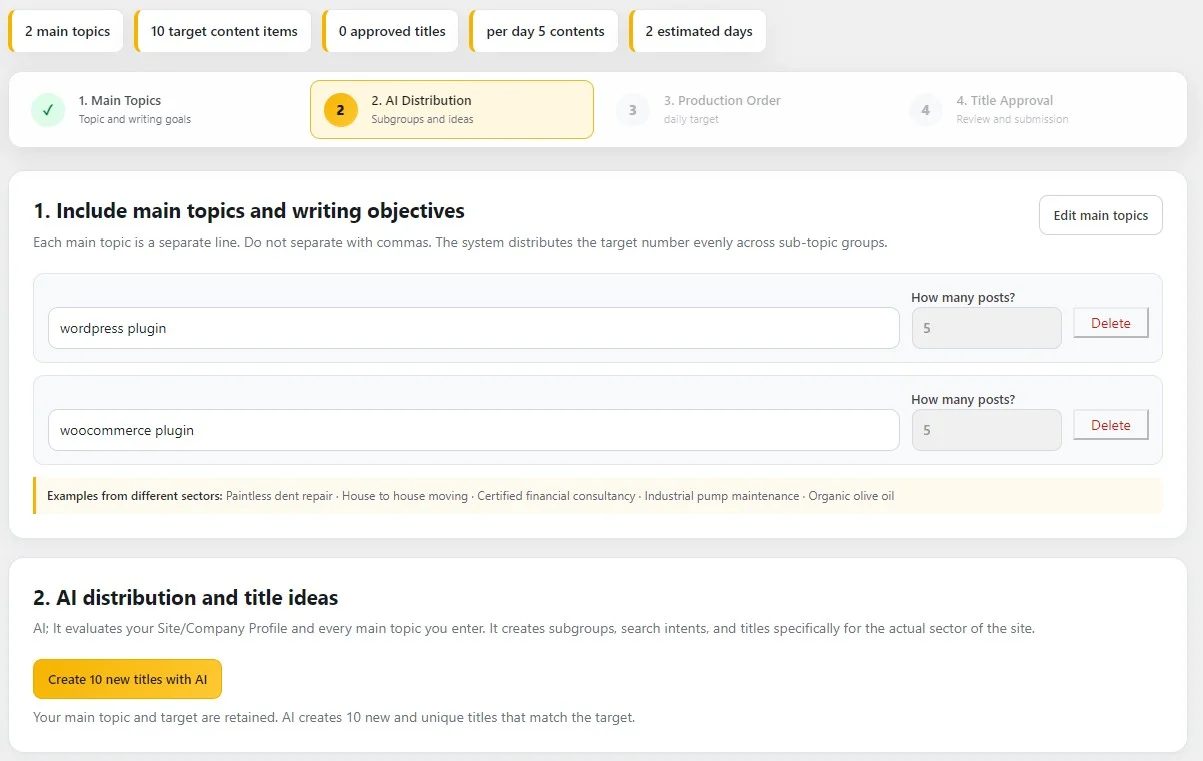
A business may publish regularly, but its content library can develop unevenly. Some subjects receive many articles while others remain almost untouched. Important services may have little supporting content. Customer questions may never become dedicated pages. Search terms may reveal topics the website has not addressed. Older content clusters may contain obvious gaps.
These missing subjects are content opportunities.
Artificial intelligence can help identify them more efficiently.
Instead of relying only on manual brainstorming, AI can analyze the existing WordPress content environment, compare topics, identify weak areas, detect unanswered questions, recognize missing search intent, and suggest new subjects that fit the website’s real focus.
PW Feed can support this type of workflow by combining AI content generation with WordPress, SEO, GEO, content planning, internal linking, and wordpress plugin functionality.
The goal is not to create more content simply because AI can generate it.
The goal is to discover the specific areas where new content can add genuine value.
𝗪𝗵𝗮𝘁 𝗶𝘀 𝗮 𝗺𝗶𝘀𝘀𝗶𝗻𝗴 𝗰𝗼𝗻𝘁𝗲𝗻𝘁 𝗼𝗽𝗽𝗼𝗿𝘁𝘂𝗻𝗶𝘁𝘆?
A missing content opportunity is a relevant subject, question, use case, comparison, or search intent that the website does not currently cover well enough.
This does not always mean the site has no page about the subject.
Sometimes the page exists but is too weak.

Sometimes the information is scattered across several articles.
Sometimes the topic is mentioned briefly but never explained in depth.
Sometimes the website covers a broad subject but ignores one important part of it.
For example, a WordPress AI content website may already contain detailed pages about automatic publishing and AI-generated drafts but have no article about internal linking.
That gap is an opportunity.
Another website may explain SEO extensively but contain almost nothing about GEO.
That is another gap.
The strongest opportunities usually appear where real audience needs and incomplete website coverage meet.
𝗖𝗼𝗻𝘁𝗲𝗻𝘁 𝗴𝗮𝗽𝘀 𝗮𝗿𝗲 𝗻𝗼𝘁 𝘁𝗵𝗲 𝘀𝗮𝗺𝗲 𝗮𝘀 𝗿𝗮𝗻𝗱𝗼𝗺 𝗸𝗲𝘆𝘄𝗼𝗿𝗱𝘀
Keyword tools can generate large lists of search phrases.
Some are useful.
Many do not represent real opportunities for a particular business.
A website selling WordPress AI content software does not need to publish every article containing the word AI.
The topic should fit the site’s expertise, product, audience, and content structure.
A true content gap has strategic relevance.
It may support an important service.
It may answer a common customer question.
It may strengthen a weak topic cluster.
It may cover a distinct search intent.
It may help explain a product feature.
It may improve GEO clarity.
This is why gap analysis should begin with the website itself and not only external keyword volume.

𝗧𝗵𝗲 𝗳𝗶𝗿𝘀𝘁 𝘀𝘁𝗲𝗽 𝗶𝘀 𝘁𝗼 𝗸𝗻𝗼𝘄 𝘄𝗵𝗮𝘁 𝗮𝗹𝗿𝗲𝗮𝗱𝘆 𝗲𝘅𝗶𝘀𝘁𝘀
You cannot identify missing content without understanding current content.
A useful inventory may include:
Published posts.
Pages.
Service pages.
Product pages.
Categories.
Main topics.
SEO titles.
Primary search intent.
Content clusters.
Important internal links.
The objective is to create a map of existing coverage.
A small WordPress site may be easy to review manually.
A larger site can become difficult.
This is where AI can help.
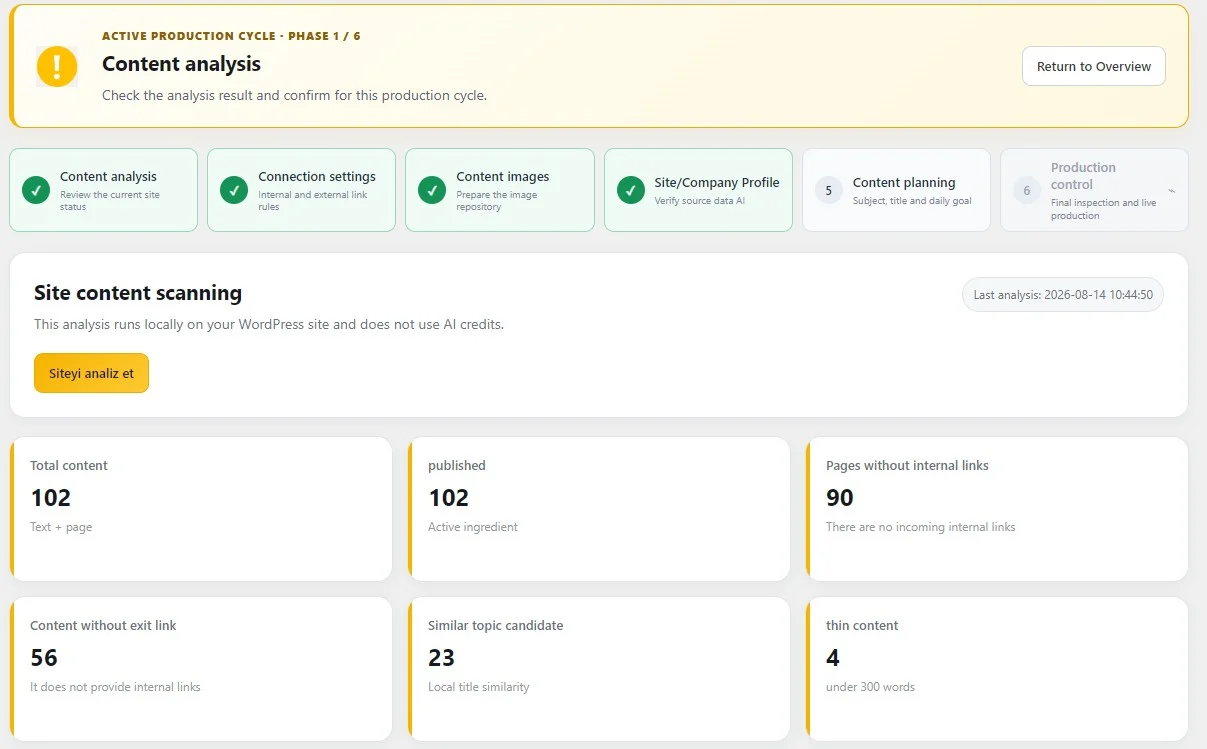
AI can analyze titles, summaries, and article content to identify what the site already covers.
Once that map exists, gaps become easier to recognize.
𝗔𝗜 𝗰𝗮𝗻 𝗴𝗿𝗼𝘂𝗽 𝗲𝘅𝗶𝘀𝘁𝗶𝗻𝗴 𝗰𝗼𝗻𝘁𝗲𝗻𝘁 𝗯𝘆 𝗺𝗲𝗮𝗻𝗶𝗻𝗴
WordPress categories do not always reflect actual content structure.
Two articles may belong to different categories but discuss nearly the same subject.

Other articles may share a category but have very different intentions.
AI can analyze semantic meaning.
It can group pages around broader subjects such as:
WordPress content automation.
SEO.
GEO.
Publishing workflows.
Internal linking.
Agency use cases.
Local business content.
Service-page content.

This creates a clearer picture of topical coverage.
The website owner can then see which areas are strong and which areas remain underdeveloped.
𝗧𝗼𝗽𝗶𝗰 𝗰𝗹𝘂𝘀𝘁𝗲𝗿𝘀 𝗺𝗮𝗸𝗲 𝗴𝗮𝗽𝘀 𝗲𝗮𝘀𝗶𝗲𝗿 𝘁𝗼 𝘀𝗲𝗲
A content cluster organizes related articles around a broader subject.
Once the cluster exists, missing supporting topics become visible.
For example, consider a WordPress SEO automation cluster containing:
SEO-friendly AI posts.
Automatic SEO titles.
Automatic meta descriptions.
Duplicate-content prevention.
If internal linking has not been covered, the missing page becomes obvious.
A GEO cluster might contain:
Generative search preparation.
Answer-focused content.
ChatGPT search visibility.
But lack a page about Google AI Overviews.
Again, the gap becomes clear.
This is one reason content clusters are so useful for AI-assisted planning.
𝗦𝘁𝗿𝗼𝗻𝗴 𝗰𝗹𝘂𝘀𝘁𝗲𝗿𝘀 𝗰𝗮𝗻 𝘀𝘁𝗶𝗹𝗹 𝗰𝗼𝗻𝘁𝗮𝗶𝗻 𝘄𝗲𝗮𝗸 𝗮𝗿𝗲𝗮𝘀
A cluster may appear large because it contains many pages.
That does not necessarily mean it is complete.
Suppose a website has ten articles about WordPress AI content.

Seven of them discuss publishing.
Two discuss drafts.
One discusses SEO.
The cluster is large, but the distribution is unbalanced.
Important areas such as GEO, metadata, internal linking, or duplicate prevention may still be missing.
AI can analyze the distribution of topics rather than simply counting pages.
This helps identify where additional depth is actually needed.
𝗠𝗶𝘀𝘀𝗶𝗻𝗴 𝘀𝗲𝗮𝗿𝗰𝗵 𝗶𝗻𝘁𝗲𝗻𝘁 𝗶𝘀 𝗼𝗻𝗲 𝗼𝗳 𝘁𝗵𝗲 𝗺𝗼𝘀𝘁 𝘃𝗮𝗹𝘂𝗮𝗯𝗹𝗲 𝗴𝗮𝗽𝘀
A website may cover a keyword but miss an important intention behind it.
For example, the site may have an article explaining what AI content automation is.
Users may also want to know:
How to configure it.
Whether it can publish directly.
How to prevent duplication.
How to use it for local businesses.
How agencies can manage multiple sites.
These are different search intentions.
The broad keyword is already covered.
The missing opportunity exists at the intent level.
This is more valuable than creating another page that repeats the general definition.
𝗞𝗲𝘆𝘄𝗼𝗿𝗱 𝘃𝗮𝗿𝗶𝗮𝘁𝗶𝗼𝗻𝘀 𝘀𝗵𝗼𝘂𝗹𝗱 𝗻𝗼𝘁 𝗯𝗲 𝗺𝗶𝘀𝘁𝗮𝗸𝗲𝗻 𝗳𝗼𝗿 𝗴𝗮𝗽𝘀
Suppose a website already has a strong article targeting WordPress AI content generation.
A keyword tool may suggest:
AI content generation WordPress.
WordPress content generation AI.
Generate AI content in WordPress.
AI WordPress content creation.
These may all belong to the same page.
They are not necessarily four missing opportunities.
Creating separate articles for every variation could produce keyword cannibalization.
AI can help group related phrases by search intent before recommending new pages.
This protects the site from false gaps.
𝗖𝘂𝘀𝘁𝗼𝗺𝗲𝗿 𝗾𝘂𝗲𝘀𝘁𝗶𝗼𝗻𝘀 𝗰𝗮𝗻 𝗿𝗲𝘃𝗲𝗮𝗹 𝗽𝗼𝘄𝗲𝗿𝗳𝘂𝗹 𝗴𝗮𝗽𝘀
Customers often reveal content opportunities more clearly than keyword tools.
If the same question appears repeatedly in sales conversations, support requests, or contact messages, the website may be missing an important explanation.
Examples could include:
Can the system publish automatically?
Can articles be saved as drafts?
How many websites can be managed?
Can AI content be optimized for GEO?
How is duplicate content prevented?
Can internal links be created automatically?
If the website does not answer these questions clearly, each may represent a content opportunity.
This creates content around real customer demand.
𝗦𝗮𝗹𝗲𝘀 𝗾𝘂𝗲𝘀𝘁𝗶𝗼𝗻𝘀 𝗰𝗮𝗻 𝗯𝗲𝗰𝗼𝗺𝗲 𝗽𝗿𝗲-𝗽𝘂𝗿𝗰𝗵𝗮𝘀𝗲 𝗰𝗼𝗻𝘁𝗲𝗻𝘁
Potential customers often ask questions before deciding to buy.
These questions can become useful informational articles.
For example:
What is the difference between automatic publishing and draft publishing?
Can AI content work without a traditional SEO plugin?
How can multiple WordPress sites use AI content automation?
Does AI-generated content need manual review?
These pages can educate visitors before they reach the commercial stage.
They also support service or product pages through internal links.
This creates a stronger customer journey.
𝗦𝘂𝗽𝗽𝗼𝗿𝘁 𝗾𝘂𝗲𝘀𝘁𝗶𝗼𝗻𝘀 𝗿𝗲𝘃𝗲𝗮𝗹 𝗽𝗼𝘀𝘁-𝗽𝘂𝗿𝗰𝗵𝗮𝘀𝗲 𝗴𝗮𝗽𝘀
Content opportunities are not limited to acquisition.
Existing customers also need information.
If users repeatedly ask how to configure a feature, the website may need a tutorial.
If users misunderstand a setting, a dedicated guide may help.
If customers frequently ask what happens when a limit is reached, that subject may deserve documentation.
This type of content can reduce support workload.
It can also improve the overall product experience.
AI can help convert recurring support questions into structured WordPress articles.
𝗦𝗲𝗿𝘃𝗶𝗰𝗲 𝗽𝗮𝗴𝗲𝘀 𝗼𝗳𝘁𝗲𝗻 𝗿𝗲𝘃𝗲𝗮𝗹 𝗺𝗶𝘀𝘀𝗶𝗻𝗴 𝘀𝘂𝗽𝗽𝗼𝗿𝘁𝗶𝗻𝗴 𝗰𝗼𝗻𝘁𝗲𝗻𝘁
A commercial service page cannot answer every possible question.
Supporting articles provide depth.
Suppose a service page offers AI SEO content for WordPress.
Potential gaps may include:
How the content workflow works.
How topics are selected.
How titles are created.
How metadata is generated.
How duplicate content is prevented.
How GEO is incorporated.
These articles support the service page while targeting informational searches.
AI can analyze the service description and suggest related supporting topics.
𝗣𝗿𝗼𝗱𝘂𝗰𝘁 𝗳𝗲𝗮𝘁𝘂𝗿𝗲𝘀 𝗰𝗮𝗻 𝗿𝗲𝘃𝗲𝗮𝗹 𝗲𝗱𝘂𝗰𝗮𝘁𝗶𝗼𝗻𝗮𝗹 𝗴𝗮𝗽𝘀
Every important product feature can create surrounding questions.
Suppose a wordpress plugin includes automatic content planning.
The website may need content explaining:
Why content planning matters.
How topic queues work.
How duplicate ideas can be avoided.
How publishing frequency should be controlled.
How content clusters influence planning.
The feature page itself may explain what the function does.
Supporting content explains why it matters and how it fits into a broader strategy.
This improves both SEO and user education.
𝗔𝗜 𝗰𝗮𝗻 𝗰𝗼𝗺𝗽𝗮𝗿𝗲 𝘄𝗵𝗮𝘁 𝘁𝗵𝗲 𝗯𝘂𝘀𝗶𝗻𝗲𝘀𝘀 𝗼𝗳𝗳𝗲𝗿𝘀 𝘄𝗶𝘁𝗵 𝘄𝗵𝗮𝘁 𝘁𝗵𝗲 𝘀𝗶𝘁𝗲 𝗲𝘅𝗽𝗹𝗮𝗶𝗻𝘀
This is a useful gap-analysis method.
List the important services or product capabilities.
Then ask whether the site explains each one adequately.
For example, if PW Feed supports WordPress AI content generation, SEO, GEO, controlled publishing, and content workflows, the site should provide enough information around those subjects.
If a major function receives only one sentence across the entire site, the informational coverage may be weak.
This comparison can identify gaps directly connected to commercial priorities.
𝗔 𝗯𝘂𝘀𝗶𝗻𝗲𝘀𝘀 𝘀𝗵𝗼𝘂𝗹𝗱 𝗰𝗼𝘃𝗲𝗿 𝗽𝗿𝗼𝗯𝗹𝗲𝗺𝘀, 𝗻𝗼𝘁 𝗼𝗻𝗹𝘆 𝘀𝗼𝗹𝘂𝘁𝗶𝗼𝗻𝘀
Product websites naturally talk about their solutions.
Users often begin by searching for problems.
A WordPress AI product website might explain its automation capabilities but overlook articles about problems such as:
Content publishing becoming inconsistent.
Duplicate article topics.
Manual metadata work.
Weak internal linking.
Running out of article ideas.
Managing multiple sites.
Old content becoming outdated.
These problem-focused topics can attract users earlier in the decision journey.
They also create natural opportunities to introduce relevant solutions later.
𝗖𝗼𝗺𝗽𝗮𝗿𝗶𝘀𝗼𝗻 𝗶𝗻𝘁𝗲𝗻𝘁 𝗰𝗮𝗻 𝗿𝗲𝘃𝗲𝗮𝗹 𝗺𝗶𝘀𝘀𝗶𝗻𝗴 𝗽𝗮𝗴𝗲𝘀
Users frequently compare approaches.
A website may provide tutorials but no comparison content.
Potential comparison opportunities include:
Draft versus direct publishing.
Manual versus AI content production.
SEO versus GEO.
SEO versus GEO versus AEO.
New article creation versus content expansion.
Automatic publishing versus scheduled review.
These topics help users make decisions.
They also provide a different search intent from basic informational guides.
AI can identify areas where two approaches are repeatedly mentioned but never compared directly.
𝗖𝗼𝗻𝘁𝗲𝗻𝘁 𝗳𝗼𝗿 𝗱𝗶𝗳𝗳𝗲𝗿𝗲𝗻𝘁 𝗮𝘂𝗱𝗶𝗲𝗻𝗰𝗲𝘀 𝗰𝗮𝗻 𝗯𝗲 𝗺𝗶𝘀𝘀𝗶𝗻𝗴
The same technology may serve different customer groups.
A website may explain the product generally but not address specific audiences.
For example:
Small businesses.
Local businesses.
Agencies.
Niche publishers.
Service businesses.
E-commerce websites.
Each audience may use the same WordPress AI system differently.
This does not mean the site needs duplicate articles.
Audience-specific pages should focus on genuine differences in workflow, priorities, or use cases.
AI can identify which important audience segments lack dedicated information.
𝗔𝘂𝗱𝗶𝗲𝗻𝗰𝗲-𝘀𝗽𝗲𝗰𝗶𝗳𝗶𝗰 𝗽𝗮𝗴𝗲𝘀 𝗻𝗲𝗲𝗱 𝗿𝗲𝗮𝗹 𝗱𝗶𝗳𝗳𝗲𝗿𝗲𝗻𝘁𝗶𝗮𝘁𝗶𝗼𝗻
A page for agencies should not be the small-business article with the word agency inserted.
Agency users may care about:
Multiple client sites.
Separate business profiles.
Approval workflows.
Scalable content queues.
Cross-client originality.
Reporting.
A local business may care more about:
Geographic accuracy.
Service areas.
Customer questions.
Limited staff.
Local search.
The subject changes because the audience changes.
This is a legitimate content gap.
𝗧𝗵𝗲 𝗰𝘂𝘀𝘁𝗼𝗺𝗲𝗿 𝗷𝗼𝘂𝗿𝗻𝗲𝘆 𝗰𝗮𝗻 𝗲𝘅𝗽𝗼𝘀𝗲 𝗺𝗶𝘀𝘀𝗶𝗻𝗴 𝗰𝗼𝗻𝘁𝗲𝗻𝘁
A useful content library should support different stages of customer understanding.
Early-stage users may ask:
What is AI content automation?
Middle-stage users may ask:
How does it work in WordPress?
Later-stage users may ask:
Should I use draft or direct publishing?
Commercial users may ask:
Which solution should I use?
If the site contains content for only one stage, gaps remain.
AI can map existing articles against the customer journey.
Missing stages can then become future content priorities.
𝗚𝗘𝗢 𝗮𝗻𝗮𝗹𝘆𝘀𝗶𝘀 𝗰𝗮𝗻 𝗿𝗲𝘃𝗲𝗮𝗹 𝗲𝗻𝘁𝗶𝘁𝘆 𝗴𝗮𝗽𝘀
Generative Engine Optimization introduces another useful form of gap analysis.
The website may mention an important entity repeatedly but never explain it clearly.
Examples include:
A product.
A service.
A technical concept.
A feature.
A geographic relationship.
A business category.
If an AI system encounters the term but cannot easily determine what it means or how it relates to the business, the site may need clearer content.
For PW Feed, important relationships may include PW Feed with WordPress, AI content generation, SEO, GEO, publishing automation, and wordpress plugin functionality.
These relationships can be supported through distinct pages and consistent explanations.
𝗚𝗘𝗢 𝗴𝗮𝗽𝘀 𝗮𝗿𝗲 𝗻𝗼𝘁 𝗷𝘂𝘀𝘁 𝗺𝗶𝘀𝘀𝗶𝗻𝗴 𝗸𝗲𝘆𝘄𝗼𝗿𝗱𝘀
A website does not solve GEO gaps by inserting terms such as AI search into random pages.
The problem may be missing clarity.
For example:
A service is named but never defined.
A product feature is mentioned but never explained.
A business location is inconsistent.
A technical relationship remains implicit.
The site may need a focused article or an expansion of an existing page.
GEO gap analysis asks what information an AI system may need to understand the subject more clearly.
𝗔𝗘𝗢 𝗰𝗮𝗻 𝗿𝗲𝘃𝗲𝗮𝗹 𝗺𝗶𝘀𝘀𝗶𝗻𝗴 𝗱𝗶𝗿𝗲𝗰𝘁 𝗮𝗻𝘀𝘄𝗲𝗿𝘀
A website may cover a subject extensively but never answer common questions directly.
For example, an article may discuss AI publishing for 2,000 words but never state clearly whether content can be saved as a draft.
Answer Engine Optimization encourages direct responses.
AI can analyze existing articles for questions users are likely to ask.
If no clear answer exists, the site can:
Add the answer to an existing page.
Create an FAQ.
Create a separate article if the subject has enough depth.
This improves usefulness without automatically creating another URL.
𝗠𝗶𝘀𝘀𝗶𝗻𝗴 𝗰𝗼𝗻𝘁𝗲𝗻𝘁 𝗱𝗼𝗲𝘀 𝗻𝗼𝘁 𝗮𝗹𝘄𝗮𝘆𝘀 𝗺𝗲𝗮𝗻 𝗮 𝗺𝗶𝘀𝘀𝗶𝗻𝗴 𝗽𝗮𝗴𝗲
This is one of the most important distinctions.
The information may be missing, but the site may not need another page.
Perhaps a current article needs a new section.
Perhaps the product page needs a clearer explanation.
Perhaps the FAQ needs one additional answer.
Perhaps two existing pages need consolidation before the missing area can be addressed.
Gap identification and page creation are separate decisions.
AI should first identify the missing information.
Then the website decides where that information belongs.
𝗘𝘅𝗽𝗮𝗻𝗱𝗶𝗻𝗴 𝗮𝗻 𝗲𝘅𝗶𝘀𝘁𝗶𝗻𝗴 𝗽𝗮𝗴𝗲 𝗰𝗮𝗻 𝗳𝗶𝗹𝗹 𝘁𝗵𝗲 𝗴𝗮𝗽
Suppose an existing article owns the primary search intent but lacks one important section.
Creating another article may create overlap.
Adding the missing section is cleaner.
AI can help identify:
What is missing.
Where it belongs.
How much depth is required.
Which related terms should appear naturally.
Which internal links can support the new information.
This is why content expansion and gap analysis work closely together.
𝗔 𝗻𝗲𝘄 𝗽𝗮𝗴𝗲 𝗶𝘀 𝗮𝗽𝗽𝗿𝗼𝗽𝗿𝗶𝗮𝘁𝗲 𝘄𝗵𝗲𝗻 𝘁𝗵𝗲 𝗴𝗮𝗽 𝗵𝗮𝘀 𝗶𝘁𝘀 𝗼𝘄𝗻 𝗶𝗻𝘁𝗲𝗻𝘁
A distinct user need usually justifies a separate page more clearly.
For example:
How to generate unique SEO titles automatically in WordPress.
How to create unique meta descriptions with AI in WordPress.
These topics belong to the same SEO automation area.
They remain distinct tasks.
Each has enough depth to deserve separate treatment.
This is a genuine gap rather than a keyword variation.
Search intent provides the boundary.
𝗔𝗜 𝗰𝗮𝗻 𝘀𝗰𝗼𝗿𝗲 𝗰𝗼𝗻𝘁𝗲𝗻𝘁 𝗴𝗮𝗽𝘀
A large WordPress site may reveal hundreds of potential gaps.
They need prioritization.
AI can help rank opportunities based on factors such as:
Business importance.
Search relevance.
Customer demand.
Commercial relationship.
Cluster weakness.
Existing content quality.
SEO potential.
GEO importance.
Effort required.
Duplication risk.
This prevents the website from treating every gap equally.
The strongest opportunities can enter the publishing queue first.
𝗕𝘂𝘀𝗶𝗻𝗲𝘀𝘀 𝗶𝗺𝗽𝗼𝗿𝘁𝗮𝗻𝗰𝗲 𝘀𝗵𝗼𝘂𝗹𝗱 𝗮𝗳𝗳𝗲𝗰𝘁 𝗽𝗿𝗶𝗼𝗿𝗶𝘁𝘆
A missing topic may have substantial search demand but little relationship with the business.
Another topic may have lower volume but directly support a core product.
The second can be more valuable.
For example, a PW Feed website may benefit more from a focused article about WordPress GEO optimization than from a high-volume article about general AI news.
The content should strengthen the business’s subject environment.
Traffic alone is not the goal.
Relevant traffic matters more.
𝗖𝗼𝗺𝗺𝗲𝗿𝗰𝗶𝗮𝗹 𝗽𝗿𝗼𝘅𝗶𝗺𝗶𝘁𝘆 𝗰𝗮𝗻 𝗵𝗲𝗹𝗽 𝗿𝗮𝗻𝗸 𝗼𝗽𝗽𝗼𝗿𝘁𝘂𝗻𝗶𝘁𝗶𝗲𝘀
Some informational topics sit very close to a product decision.
For example:
How to automate WordPress content publishing.
How to manage AI-generated WordPress drafts.
How to generate SEO metadata automatically.
These topics can naturally connect with a WordPress AI content product.
Other subjects may be useful but far from commercial relevance.
A content plan can include both.
However, gaps closely connected to important offerings may deserve greater priority.
This helps content support real business objectives.
𝗜𝗻𝘁𝗲𝗿𝗻𝗮𝗹 𝗹𝗶𝗻𝗸𝗶𝗻𝗴 𝗰𝗮𝗻 𝗿𝗲𝘃𝗲𝗮𝗹 𝗴𝗮𝗽𝘀
Internal linking analysis provides another useful signal.
Suppose several articles repeatedly mention the same subject but there is no dedicated page to link to.
That may indicate a missing central resource.
For example, multiple posts may mention content clusters briefly.
If no article explains content clusters in detail, the website has a natural gap.
The repeated concept already exists across the site.
A dedicated resource can centralize the deeper explanation.
𝗢𝗿𝗽𝗵𝗮𝗻 𝗰𝗼𝗻𝘁𝗲𝗻𝘁 𝗰𝗮𝗻 𝗿𝗲𝘃𝗲𝗮𝗹 𝘁𝗵𝗲 𝗼𝗽𝗽𝗼𝘀𝗶𝘁𝗲 𝗽𝗿𝗼𝗯𝗹𝗲𝗺
Sometimes the issue is not missing content.
It is content that does not belong anywhere.
A page may have no natural relationship with the site’s other topics.
It receives few internal links.
No content cluster supports it.
This may indicate that the article lies outside the site’s focus.
AI gap analysis should not automatically recommend more supporting articles for every orphan page.
The stronger decision may be to improve, reposition, consolidate, or remove it.
Gap analysis should strengthen the site’s architecture, not justify every existing URL.
𝗔 𝘄𝗼𝗿𝗱𝗽𝗿𝗲𝘀𝘀 𝗽𝗹𝘂𝗴𝗶𝗻 𝗰𝗮𝗻 𝗺𝗮𝗸𝗲 𝗴𝗮𝗽 𝗮𝗻𝗮𝗹𝘆𝘀𝗶𝘀 𝗺𝗼𝗿𝗲 𝘀𝗶𝘁𝗲-𝗮𝘄𝗮𝗿𝗲
A generic AI tool can analyze a list of topics.
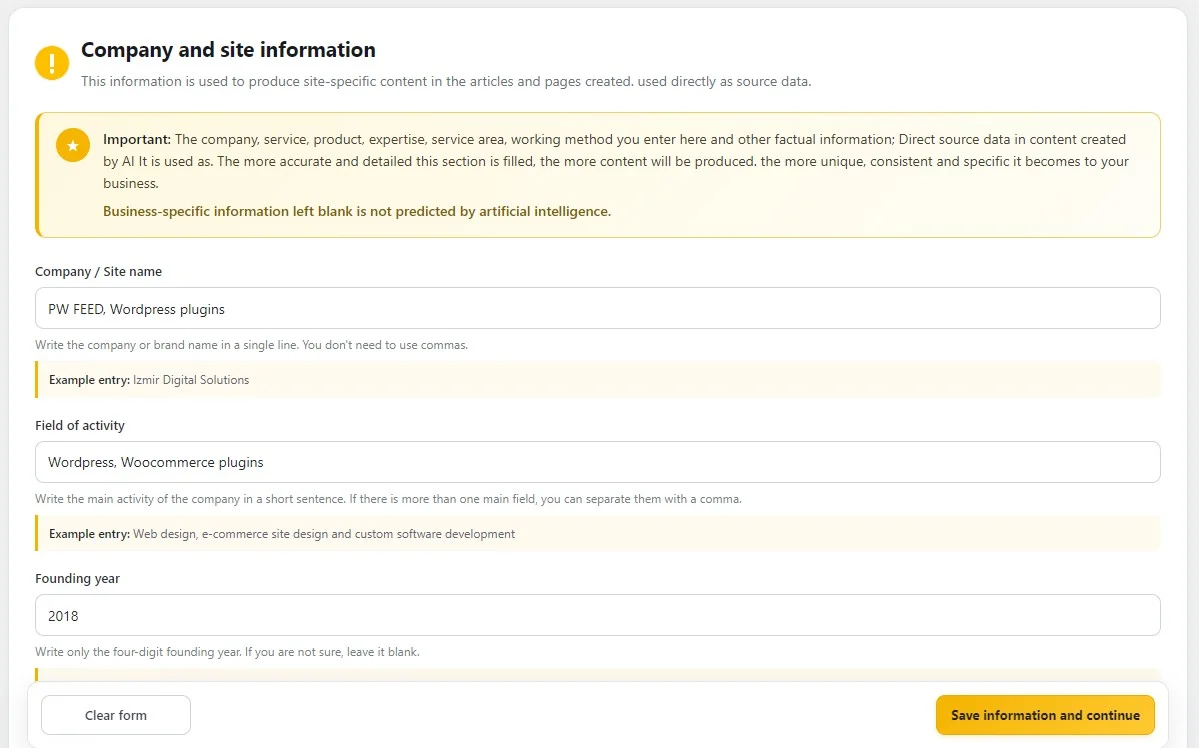
A wordpress plugin can potentially work closer to the actual content environment.
It can use real information such as:
Published posts.
Pages.
Titles.
Categories.
Internal links.
Content status.
Business profile.
Approved topics.
This can make gap detection more practical.
Instead of suggesting a topic the site already covers under another title, the system can compare the idea with actual WordPress content.
PW Feed can support this kind of site-aware AI content workflow.
𝗚𝗮𝗽 𝗮𝗻𝗮𝗹𝘆𝘀𝗶𝘀 𝘀𝗵𝗼𝘂𝗹𝗱 𝗰𝗼𝗺𝗲 𝗯𝗲𝗳𝗼𝗿𝗲 𝗮𝘂𝘁𝗼𝗺𝗮𝘁𝗶𝗰 𝗮𝗿𝘁𝗶𝗰𝗹𝗲 𝗴𝗲𝗻𝗲𝗿𝗮𝘁𝗶𝗼𝗻
A strong automation sequence can be:
Analyze current content.
Group it by topic.
Identify weak or missing areas.
Compare proposed topics with existing pages.
Determine whether each gap needs a new page or an expansion.
Prioritize opportunities.
Approve the topics.
Generate content.
Apply SEO and GEO rules.
Add relevant internal links.
Save as draft or publish.
This sequence is much safer than asking AI to continuously invent and publish topics.
Strategy controls production.
𝗗𝗿𝗮𝗳𝘁 𝗺𝗼𝗱𝗲 𝗶𝘀 𝘂𝘀𝗲𝗳𝘂𝗹 𝗳𝗼𝗿 𝗻𝗲𝘄𝗹𝘆 𝗶𝗱𝗲𝗻𝘁𝗶𝗳𝗶𝗲𝗱 𝗴𝗮𝗽𝘀
A proposed gap may look useful during analysis but produce an article that overlaps more than expected.
Draft mode provides a review point.
The editor can ask:
Does the article add something new?
Does another page already cover this?
Is the search intent distinct?
Does the article fit the business?
Is the topic deep enough?
Are the internal links appropriate?
If the answers are positive, the article can be published.
This protects the live site while the gap-analysis system is being refined.
𝗗𝗶𝗿𝗲𝗰𝘁 𝗽𝘂𝗯𝗹𝗶𝘀𝗵𝗶𝗻𝗴 𝗻𝗲𝗲𝗱𝘀 𝘀𝘁𝗿𝗼𝗻𝗴𝗲𝗿 𝗴𝗮𝗽 𝘃𝗮𝗹𝗶𝗱𝗮𝘁𝗶𝗼𝗻
When AI-generated content publishes directly, topic validation becomes more important.
The system should know:
The subject is approved.
The search intent is distinct.
No strong duplicate exists.
The topic belongs to an approved cluster.
Business facts are available.
The content type is suitable for automatic publishing.
This reduces the risk of automatically filling false gaps.
The absence of manual review makes pre-generation analysis more important.
𝗖𝗼𝗻𝘁𝗲𝗻𝘁 𝗴𝗮𝗽𝘀 𝗰𝗵𝗮𝗻𝗴𝗲 𝗼𝘃𝗲𝗿 𝘁𝗶𝗺𝗲
A gap analysis is not permanent.
The business changes.
New products launch.
Old services disappear.
Search behavior evolves.
GEO becomes more important.
Customer questions change.
New articles fill old gaps.
The site should therefore repeat the analysis periodically.
What was missing six months ago may now be covered.
A completely new opportunity may have appeared.
AI makes recurring analysis more practical.
𝗡𝗲𝘄 𝗽𝗿𝗼𝗱𝘂𝗰𝘁 𝗳𝗲𝗮𝘁𝘂𝗿𝗲𝘀 𝗰𝗮𝗻 𝗰𝗿𝗲𝗮𝘁𝗲 𝗻𝗲𝘄 𝗴𝗮𝗽𝘀
When a product gains a new feature, the website may suddenly need new supporting content.
For example, if a WordPress AI system adds a new content-analysis function, users may need:
A feature explanation.
A tutorial.
A comparison.
Use cases.
Frequently asked questions.
Related SEO or GEO guidance.
The commercial feature creates an informational content opportunity.
A gap-analysis workflow can detect this as the product evolves.
𝗦𝗲𝗮𝘀𝗼𝗻𝗮𝗹 𝗴𝗮𝗽𝘀 𝗰𝗮𝗻 𝗮𝗽𝗽𝗲𝗮𝗿
Some businesses have seasonal content needs.
A topic may become relevant only at certain times.
AI can help identify whether the site lacks content for an upcoming seasonal period.
However, seasonal planning should still reflect the business.
A WordPress software website may have fewer seasonal topics than a retail or travel website.
The method should adapt to the industry.
Not every content-planning framework needs the same type of gaps.
𝗟𝗼𝗰𝗮𝗹 𝗯𝘂𝘀𝗶𝗻𝗲𝘀𝘀𝗲𝘀 𝗰𝗮𝗻 𝗳𝗶𝗻𝗱 𝗹𝗼𝗰𝗮𝗹 𝗶𝗻𝗳𝗼𝗿𝗺𝗮𝘁𝗶𝗼𝗻 𝗴𝗮𝗽𝘀
A local business may provide good service information but fail to answer local customer questions.
Potential gaps can include:
Real service-area information.
Local process questions.
Location-specific conditions.
Branch information.
Common customer concerns in the area.
The business should not create artificial location pages.
A local gap should exist because the geographic information genuinely matters.
AI can help identify missing local context when verified business data is available.
𝗘-𝗰𝗼𝗺𝗺𝗲𝗿𝗰𝗲 𝘄𝗲𝗯𝘀𝗶𝘁𝗲𝘀 𝗰𝗮𝗻 𝗳𝗶𝗻𝗱 𝗯𝘂𝘆𝗲𝗿-𝗲𝗱𝘂𝗰𝗮𝘁𝗶𝗼𝗻 𝗴𝗮𝗽𝘀
Product pages often assume that buyers already understand what they need.
Informational content can fill the gap.
Examples include:
How to choose between product types.
Compatibility questions.
Use cases.
Maintenance.
Common mistakes.
Feature comparisons.
Category explanations.
AI can compare product categories with existing educational content and identify what buyers still need to understand.
This creates useful content that supports commercial pages.
𝗔𝗴𝗲𝗻𝗰𝗶𝗲𝘀 𝗰𝗮𝗻 𝘂𝘀𝗲 𝗴𝗮𝗽 𝗮𝗻𝗮𝗹𝘆𝘀𝗶𝘀 𝗮𝗰𝗿𝗼𝘀𝘀 𝗺𝘂𝗹𝘁𝗶𝗽𝗹𝗲 𝗰𝗹𝗶𝗲𝗻𝘁𝘀
Agencies can turn content-gap analysis into a repeatable service.
For each client:
Analyze current pages.
Map services.
Identify customer questions.
Build topic clusters.
Find missing search intents.
Prioritize opportunities.
Create an approved publishing queue.
AI can reduce the manual analysis required.
However, every client needs separate context.
The same missing topic may not matter equally for every business.
𝗖𝗹𝗶𝗲𝗻𝘁-𝘀𝗽𝗲𝗰𝗶𝗳𝗶𝗰 𝗰𝗼𝗻𝘁𝗲𝘅𝘁 𝗽𝗿𝗼𝘁𝗲𝗰𝘁𝘀 𝗼𝗿𝗶𝗴𝗶𝗻𝗮𝗹𝗶𝘁𝘆
Two companies in the same industry may have similar broad gaps.
Their final content can still be different.
They may serve different customers.
Offer different services.
Operate in different locations.
Use different terminology.
Have different commercial priorities.
AI should use these differences.
Gap analysis identifies the informational opportunity.
Business context determines how that opportunity becomes content.
𝗖𝗼𝗺𝗽𝗲𝘁𝗶𝘁𝗼𝗿 𝗶𝗱𝗲𝗮𝘀 𝘀𝗵𝗼𝘂𝗹𝗱 𝗻𝗼𝘁 𝗯𝗲 𝗰𝗼𝗽𝗶𝗲𝗱 𝗯𝗹𝗶𝗻𝗱𝗹𝘆
External research can reveal useful topics.
However, a competitor having an article does not mean your website needs the same page.
The subject should be evaluated against your own content and business.
Does it fit your expertise?
Does your audience need it?
Do you already cover the intent?
Can you add a useful perspective?
If not, copying the topic creates unnecessary content.
AI gap analysis should prioritize missing information relevant to the site, not imitation.
𝗠𝗶𝘀𝘀𝗶𝗻𝗴 𝗰𝗼𝗻𝘁𝗲𝗻𝘁 𝗰𝗮𝗻 𝗮𝗹𝘀𝗼 𝗺𝗲𝗮𝗻 𝗺𝗶𝘀𝘀𝗶𝗻𝗴 𝗱𝗲𝗽𝘁𝗵
A website may technically cover every major topic but still lack depth.
For example, the site may have one paragraph about internal linking.
The subject exists, but users who want detailed information must leave the site.
This is a depth gap.
AI can identify subjects mentioned frequently but explained only briefly.
Those subjects may deserve:
A deeper section.
A dedicated article.
A central guide.
This can strengthen topical authority without inventing new subject areas.
𝗠𝗶𝘀𝘀𝗶𝗻𝗴 𝗽𝗲𝗿𝘀𝗽𝗲𝗰𝘁𝗶𝘃𝗲𝘀 𝗰𝗮𝗻 𝗮𝗹𝘀𝗼 𝗯𝗲 𝗼𝗽𝗽𝗼𝗿𝘁𝘂𝗻𝗶𝘁𝗶𝗲𝘀
A subject may be explained from one angle only.
For example, a website may discuss AI content automation entirely from a technical perspective.
It may lack content about:
Small-business use.
Agency workflows.
Editorial review.
Risk control.
Content strategy.
Cost efficiency.
These perspectives can create distinct value.
They should not be manufactured artificially.
A separate perspective is useful only when it addresses a real audience or decision.
𝗧𝗵𝗲 𝗯𝗲𝘀𝘁 𝗴𝗮𝗽𝘀 𝗵𝗮𝘃𝗲 𝗰𝗹𝗲𝗮𝗿 𝗶𝗻𝘁𝗲𝗿𝗻𝗮𝗹-𝗹𝗶𝗻𝗸𝗶𝗻𝗴 𝗿𝗲𝗹𝗮𝘁𝗶𝗼𝗻𝘀𝗵𝗶𝗽𝘀
A proposed topic that fits the website should usually connect naturally with existing pages.
Before creating the article, the system can identify:
Which cluster it belongs to.
Which page is the central resource.
Which service or product it supports.
Which existing articles may link to it.
Which pages it should link toward.
This helps confirm that the topic belongs inside the site.
A page with no natural relationships may deserve closer review.
𝗔𝗜 𝗰𝗮𝗻 𝗰𝗿𝗲𝗮𝘁𝗲 𝗮 𝗰𝗼𝗻𝘁𝗲𝗻𝘁-𝗼𝗽𝗽𝗼𝗿𝘁𝘂𝗻𝗶𝘁𝘆 𝗾𝘂𝗲𝘂𝗲
Once gaps are identified, they can be organized.
A queue might include:
Proposed topic.
Primary search intent.
Related cluster.
Business importance.
SEO opportunity.
GEO relevance.
Existing related pages.
Recommended action.
Priority.
The recommended action is important.
It may be:
Create a new article.
Expand an existing page.
Create an FAQ.
Improve a service page.
Consolidate overlapping content.
Add internal links.
Not every gap becomes a new post.
𝗣𝗪 𝗙𝗲𝗲𝗱 𝗮𝗻𝗱 𝗺𝗶𝘀𝘀𝗶𝗻𝗴 𝗰𝗼𝗻𝘁𝗲𝗻𝘁 𝗮𝗻𝗮𝗹𝘆𝘀𝗶𝘀
PW Feed can support WordPress users who want AI to contribute to more than article writing.
A mature AI content workflow can begin with analysis.
The site already contains:
Business information.
Existing articles.
Service pages.
Product information.
Topic clusters.
Internal relationships.
AI can examine this context and help identify missing opportunities.
SEO can help separate search intentions.
GEO can highlight missing entity explanations.
Internal-linking analysis can reveal weak topic relationships.
The wordpress plugin environment can keep the process connected to the actual WordPress website.
This allows content production to respond to real gaps rather than random ideas.
Readers who want additional information about PW Feed and its WordPress AI content capabilities can continue through the PW Feed contact page.
Users ready to review purchasing options can proceed to the PW Feed buy page.
𝗧𝗵𝗲 𝗴𝗼𝗮𝗹 𝗶𝘀 𝗻𝗼𝘁 𝘁𝗼 𝗺𝗮𝗸𝗲 𝘁𝗵𝗲 𝘄𝗲𝗯𝘀𝗶𝘁𝗲 𝗶𝗻𝗳𝗶𝗻𝗶𝘁𝗲
AI can always suggest another topic.
There will always be another possible keyword.
A content strategy needs a stopping rule.
When the important customer questions are covered, the main clusters are strong, and new ideas add little value, the site can focus on maintenance.
Old content can be updated.
Internal links can be improved.
Important pages can be expanded.
The objective is not endless publishing.
It is complete and useful coverage of the subjects that matter.
𝗤𝘂𝗮𝗹𝗶𝘁𝘆 𝗴𝗮𝗽𝘀 𝗺𝗮𝘁𝘁𝗲𝗿 𝗮𝘀 𝗺𝘂𝗰𝗵 𝗮𝘀 𝘁𝗼𝗽𝗶𝗰 𝗴𝗮𝗽𝘀
A website may have an article for every important subject and still perform poorly because the pages are weak.
The real opportunity may involve improving:
Depth.
Accuracy.
Structure.
Examples.
Internal links.
Metadata.
GEO clarity.
User answers.
This is a content-quality gap.
AI can help identify these weaknesses.
A better page may be more valuable than another new page.
𝗙𝗶𝗻𝗮𝗹 𝘁𝗵𝗼𝘂𝗴𝗵𝘁𝘀 𝗼𝗻 𝗶𝗱𝗲𝗻𝘁𝗶𝗳𝘆𝗶𝗻𝗴 𝗺𝗶𝘀𝘀𝗶𝗻𝗴 𝗰𝗼𝗻𝘁𝗲𝗻𝘁 𝗼𝗽𝗽𝗼𝗿𝘁𝘂𝗻𝗶𝘁𝗶𝗲𝘀 𝗶𝗻 𝗪𝗼𝗿𝗱𝗣𝗿𝗲𝘀𝘀
Identifying missing content opportunities in WordPress is one of the most valuable uses of AI because it improves the decisions made before content generation begins.
The website first needs a clear picture of what already exists.
Articles can be grouped by meaning.
Content clusters can reveal weak areas.
Customer questions can expose missing answers.
Services and product features can reveal supporting topics.
Search intent can identify missing user needs.
GEO analysis can reveal unclear entity relationships.
Internal links can reveal subjects that need central resources.
AI can then help prioritize these opportunities.
However, a missing subject does not automatically require a new article.
Sometimes the correct response is to expand an existing page.
Sometimes an FAQ is enough.
Sometimes overlapping pages should be consolidated.
Sometimes the topic should be rejected because it has little business relevance.
A wordpress plugin can help make this analysis more site-aware by connecting AI with the actual WordPress content environment.
PW Feed can support a workflow in which SEO, GEO, content analysis, topic planning, internal linking, AI generation, and publishing controls work together.
The strongest content strategy does not ask, “How many more articles can we generate?”
It asks, “What important information is still missing?”
That difference matters.
When AI helps identify real gaps and the website fills only the opportunities that add distinct value, WordPress content can grow in a more controlled, useful, and strategically focused way.