
How to automate content creation without changing your WordPress theme
Many WordPress website owners want to automate content production but hesitate because they are satisfied with their current design.
They may already use a customized theme.

Their homepage may be carefully built.
Service pages may contain specific layouts.
WooCommerce styling may depend on the theme.
An agency may have invested considerable time in visual design.
The idea of introducing AI content automation can therefore create an important question:
Do I need to change my WordPress theme?
In most cases, content automation and visual design are separate concerns.
A WordPress theme primarily controls how the website looks and how many front-end elements are presented. An AI content workflow focuses on what content is created, how it is prepared, which publishing rules are applied, and whether articles become drafts or are published automatically.
This means a website can often introduce AI-assisted content generation without rebuilding its design or replacing its theme.
PW Feed can support this type of approach by working as a wordpress plugin within the existing WordPress environment while focusing on AI content generation, SEO, GEO, content planning, and publishing workflows.
The objective is to add content automation to the website without turning content production into a complete redesign project.
𝗧𝗵𝗲 𝗪𝗼𝗿𝗱𝗣𝗿𝗲𝘀𝘀 𝘁𝗵𝗲𝗺𝗲 𝗮𝗻𝗱 𝗰𝗼𝗻𝘁𝗲𝗻𝘁 𝘀𝘆𝘀𝘁𝗲𝗺 𝗵𝗮𝘃𝗲 𝗱𝗶𝗳𝗳𝗲𝗿𝗲𝗻𝘁 𝗷𝗼𝗯𝘀
A WordPress website usually contains several different layers.
The theme controls presentation.
Plugins add functionality.
WordPress stores and manages posts, pages, media, users, and other content.
An AI content system belongs primarily to the functionality and content layers.
It can create or prepare:
Articles.
Drafts.
Pages.
SEO titles.
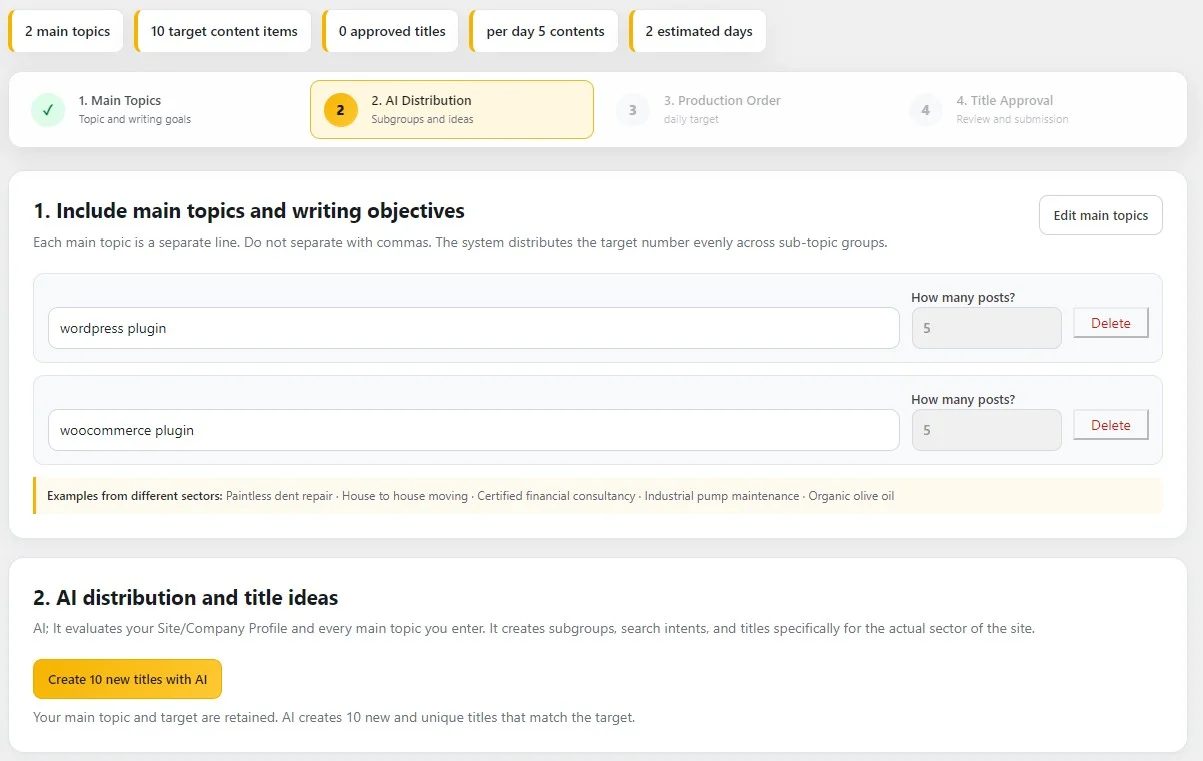
Meta descriptions.
Internal-link suggestions.
Topic plans.
Publishing schedules.
These actions do not automatically require changes to the front-end theme.
The content appears using the existing WordPress template system.
If the theme already displays standard WordPress posts correctly, newly generated articles can generally use the same visual structure.
𝗔𝗜 𝗰𝗼𝗻𝘁𝗲𝗻𝘁 𝗮𝘂𝘁𝗼𝗺𝗮𝘁𝗶𝗼𝗻 𝗶𝘀 𝗻𝗼𝘁 𝗮 𝗻𝗲𝘄 𝘁𝗵𝗲𝗺𝗲
This distinction is important.
Some users imagine AI content automation as a completely new website system.
It does not need to work that way.

A wordpress plugin can operate inside the existing administration area.
The site’s theme can remain active.
The same menus remain.
The same header remains.
The same footer remains.
The same visual design can continue.
The plugin assists with content operations.
This separation allows businesses to improve content production without sacrificing the work already invested in their website design.
𝗪𝗵𝘆 𝘄𝗲𝗯𝘀𝗶𝘁𝗲 𝗼𝘄𝗻𝗲𝗿𝘀 𝗼𝗳𝘁𝗲𝗻 𝗳𝗲𝗮𝗿 𝘁𝗵𝗲𝗺𝗲 𝗰𝗵𝗮𝗻𝗴𝗲𝘀
Changing a WordPress theme can affect many parts of a site.
These may include:
Page layouts.
Menus.
Widgets.
Typography.
Custom CSS.
WooCommerce templates.
Page-builder sections.
Header and footer design.
Mobile navigation.
Shortcodes.
Custom template files.

For a mature business website, theme replacement can become a significant project.
A user interested only in AI content generation should not necessarily need to accept those risks.
Keeping content automation independent from visual design makes adoption much easier.
𝗔𝗻 𝗲𝘅𝗶𝘀𝘁𝗶𝗻𝗴 𝘁𝗵𝗲𝗺𝗲 𝗰𝗮𝗻 𝗰𝗼𝗻𝘁𝗶𝗻𝘂𝗲 𝘁𝗼 𝗱𝗶𝘀𝗽𝗹𝗮𝘆 𝗻𝗲𝘄 𝗽𝗼𝘀𝘁𝘀
Most conventional WordPress themes use standard post templates.
When a new article is published, WordPress passes the article content into the theme’s existing layout.
The theme may automatically provide:
Article width.
Fonts.
Heading styling.
Sidebar placement.

Featured-image positioning.
Author information.
Date formatting.
Related navigation.
The AI system does not need to recreate these design rules.
It can concentrate on generating the content itself.
This makes integration simpler.
𝗧𝗵𝗲 𝗰𝗼𝗻𝘁𝗲𝗻𝘁 𝗰𝗮𝗻 𝗳𝗼𝗹𝗹𝗼𝘄 𝘁𝗵𝗲 𝘁𝗵𝗲𝗺𝗲 𝗿𝗮𝘁𝗵𝗲𝗿 𝘁𝗵𝗮𝗻 𝗿𝗲𝗽𝗹𝗮𝗰𝗲 𝗶𝘁
A well-designed AI content workflow should respect the existing WordPress environment.
For example, if the theme expects standard post content, AI can generate standard post content.
If the website uses featured images, that process can be incorporated separately.
If articles use normal WordPress categories, the generated posts can follow those categories.
The content system adapts to the site.
The site does not need to adapt entirely to the AI system.
This is a more practical approach for existing websites.
𝗣𝗮𝗴𝗲 𝗯𝘂𝗶𝗹𝗱𝗲𝗿𝘀 𝗱𝗼 𝗻𝗼𝘁 𝗻𝗲𝗰𝗲𝘀𝘀𝗮𝗿𝗶𝗹𝘆 𝗽𝗿𝗲𝘃𝗲𝗻𝘁 𝗰𝗼𝗻𝘁𝗲𝗻𝘁 𝗮𝘂𝘁𝗼𝗺𝗮𝘁𝗶𝗼𝗻
Many WordPress sites use page builders.
Examples may include visual editors used for landing pages, service pages, or custom layouts.
This does not automatically mean AI content generation cannot be used.
Blog content can still be created through standard WordPress posts.
A business may leave complex landing pages under manual control while automating educational articles.
This hybrid approach is often useful.

The website retains design flexibility where it matters most.
Routine content production becomes more efficient.
𝗬𝗼𝘂 𝗱𝗼 𝗻𝗼𝘁 𝗻𝗲𝗲𝗱 𝘁𝗼 𝗮𝘂𝘁𝗼𝗺𝗮𝘁𝗲 𝗲𝘃𝗲𝗿𝘆 𝘁𝘆𝗽𝗲 𝗼𝗳 𝗽𝗮𝗴𝗲
AI automation can be selective.
For example:
Blog articles may be automated.
Service pages may be generated as drafts.
High-value landing pages may remain entirely manual.
Product pages may follow separate rules.
Legal pages may never be touched by AI.
This is one of the advantages of treating AI as a content layer rather than a full website replacement.
The business can decide exactly where automation is appropriate.
𝗔 𝘄𝗼𝗿𝗱𝗽𝗿𝗲𝘀𝘀 𝗽𝗹𝘂𝗴𝗶𝗻 𝗰𝗮𝗻 𝗸𝗲𝗲𝗽 𝘁𝗵𝗲 𝗰𝗼𝗻𝘁𝗲𝗻𝘁 𝘄𝗼𝗿𝗸𝗳𝗹𝗼𝘄 𝗶𝗻𝘀𝗶𝗱𝗲 𝗪𝗼𝗿𝗱𝗣𝗿𝗲𝘀𝘀
A wordpress plugin can provide content-related functionality without taking control of the theme.
This is a natural fit for AI automation.
PW Feed can support content generation while the website continues using its existing front-end design.
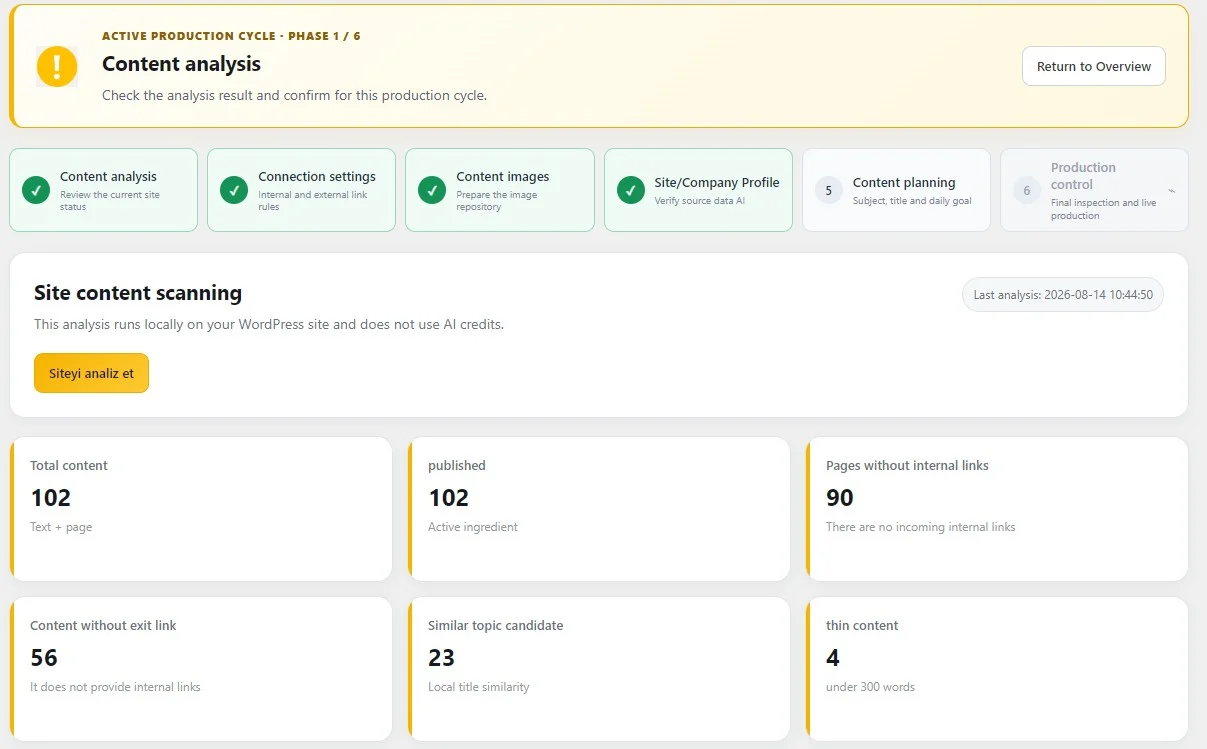
The workflow can focus on:
Topic selection.
AI generation.
SEO.
GEO.
Draft creation.
Publishing.
Internal content rules.
The theme continues handling presentation.
This division keeps responsibilities clear.
𝗖𝗼𝗻𝘁𝗲𝗻𝘁 𝗮𝘂𝘁𝗼𝗺𝗮𝘁𝗶𝗼𝗻 𝗰𝗮𝗻 𝗯𝗲 𝗮𝗱𝗱𝗲𝗱 𝗴𝗿𝗮𝗱𝘂𝗮𝗹𝗹𝘆
Another advantage is that the website does not need to change everything at once.
A business can begin with a small test.
For example:
Generate one article.
Save it as a draft.
Review how the theme displays it.
Check heading styles.
Check mobile appearance.
Check images.
Check internal links.
If everything looks correct, the workflow can expand.
This gradual implementation reduces risk.
There is no need for a complete site migration.
𝗗𝗿𝗮𝗳𝘁 𝗺𝗼𝗱𝗲 𝗶𝘀 𝗶𝗱𝗲𝗮𝗹 𝗳𝗼𝗿 𝘁𝗵𝗲 𝗳𝗶𝗿𝘀𝘁 𝘁𝗲𝘀𝘁𝘀
When introducing AI automation to an existing theme, draft generation provides useful control.
The AI creates the article.
WordPress stores it as a draft.
The administrator can preview it using the live theme.
This allows the user to inspect:
Paragraph spacing.
Headings.
Lists.
Images.
Links.
Typography.
Mobile layout.
Nothing needs to become public until the result is acceptable.
This is one of the safest ways to introduce automation.
𝗧𝗵𝗲𝗺𝗲 𝗰𝗼𝗺𝗽𝗮𝘁𝗶𝗯𝗶𝗹𝗶𝘁𝘆 𝘀𝗵𝗼𝘂𝗹𝗱 𝗯𝗲 𝘁𝗲𝘀𝘁𝗲𝗱, 𝗻𝗼𝘁 𝗮𝘀𝘀𝘂𝗺𝗲𝗱
Although content automation does not normally require a theme change, WordPress websites can be heavily customized.
Some themes use unusual post structures.
Some rely on custom fields.
Some override standard content behavior.
Some older themes contain custom shortcodes.
A practical implementation should therefore test the workflow.
The correct question is not:
Must the theme be changed?
A better question is:
Does the existing theme display standard generated content correctly?
If yes, the theme can remain.
𝗖𝘂𝘀𝘁𝗼𝗺 𝗽𝗼𝘀𝘁 𝘁𝘆𝗽𝗲𝘀 𝗺𝗮𝘆 𝗻𝗲𝗲𝗱 𝘀𝗲𝗽𝗮𝗿𝗮𝘁𝗲 𝗿𝘂𝗹𝗲𝘀
Some WordPress sites use custom post types for:
Projects.
Properties.
Products.
Services.
Case studies.
Portfolio items.
The AI workflow does not necessarily need to automate all of them.
Standard blog posts may be the first target.
Later, specific custom post types can be evaluated individually.
This prevents content automation from interfering with specialized templates unnecessarily.
𝗚𝗲𝗻𝗲𝗿𝗮𝘁𝗲𝗱 𝗵𝗲𝗮𝗱𝗶𝗻𝗴𝘀 𝘀𝗵𝗼𝘂𝗹𝗱 𝗿𝗲𝘀𝗽𝗲𝗰𝘁 𝗪𝗼𝗿𝗱𝗣𝗿𝗲𝘀𝘀 𝘀𝘁𝗿𝘂𝗰𝘁𝘂𝗿𝗲
Content structure and visual styling are different.
AI can create a logical heading hierarchy.
The theme determines how those headings look.
This means the AI should not need to specify design properties such as:
Font size.
Font family.
Text color.
Margin.
Border.
The generated article should focus on semantic structure.
The theme’s stylesheet handles appearance.
This separation helps keep generated content compatible with different designs.
𝗔𝘃𝗼𝗶𝗱 𝗶𝗻𝗹𝗶𝗻𝗲 𝗱𝗲𝘀𝗶𝗴𝗻 𝗰𝗼𝗱𝗲 𝗶𝗻 𝗮𝘂𝘁𝗼𝗺𝗮𝘁𝗲𝗱 𝗮𝗿𝘁𝗶𝗰𝗹𝗲𝘀
If AI inserts custom styles directly into every article, theme compatibility becomes harder.
For example, manually specifying text colors or font sizes inside individual posts can override the site’s global design.
A cleaner workflow generates content using the standard WordPress editor structure.
The theme remains responsible for appearance.
If the website design changes later, the articles can automatically inherit the new styling.
This makes maintenance easier.
𝗔𝘂𝘁𝗼𝗺𝗮𝘁𝗶𝗼𝗻 𝘀𝗵𝗼𝘂𝗹𝗱 𝗿𝗲𝘀𝗽𝗲𝗰𝘁 𝗲𝘅𝗶𝘀𝘁𝗶𝗻𝗴 𝗯𝗿𝗮𝗻𝗱 𝗱𝗲𝘀𝗶𝗴𝗻
A business may have specific visual standards.
AI content creation should not interfere with them.
If the theme already defines:
Brand colors.
Typography.
Link styles.
Buttons.
Article width.
Image treatment.
The generated content can simply use the standard components.
This allows content volume to increase while the website remains visually consistent.
Users see new articles as part of the same brand.
𝗦𝗘𝗢 𝗱𝗼𝗲𝘀 𝗻𝗼𝘁 𝗿𝗲𝗾𝘂𝗶𝗿𝗲 𝗮 𝗻𝗲𝘄 𝘁𝗵𝗲𝗺𝗲
Some website owners assume that adopting AI SEO content requires rebuilding the site’s theme.
SEO content tasks largely concern:
Search intent.
Page topics.
Titles.
Descriptions.
Internal links.
Semantic relevance.
Content quality.
Page relationships.
These can generally be improved independently from the visual theme.
A poor technical theme can create separate SEO issues, but content automation itself does not require a particular design.
This distinction allows businesses to improve content strategy without tying it to a redesign.
𝗚𝗘𝗢 𝗰𝗮𝗻 𝗮𝗹𝘀𝗼 𝘄𝗼𝗿𝗸 𝗶𝗻𝗱𝗲𝗽𝗲𝗻𝗱𝗲𝗻𝘁𝗹𝘆 𝗼𝗳 𝘁𝗵𝗲 𝘁𝗵𝗲𝗺𝗲
Generative Engine Optimization is primarily concerned with information clarity and relationships.
A page should clearly explain:
Entities.
Products.
Services.
Concepts.
Questions.
Relationships.
The theme influences presentation but does not determine the factual clarity of the content.
An existing WordPress design can therefore remain while the website improves GEO-oriented articles.
PW Feed content can consistently explain relationships between PW Feed, WordPress, AI content generation, SEO, GEO, automation, and wordpress plugin functionality regardless of which visual theme is active.
𝗔𝗘𝗢 𝗱𝗼𝗲𝘀 𝗻𝗼𝘁 𝗿𝗲𝗾𝘂𝗶𝗿𝗲 𝗮 𝗿𝗲𝗱𝗲𝘀𝗶𝗴𝗻 𝗲𝗶𝘁𝗵𝗲𝗿
Answer Engine Optimization focuses on providing clear answers to questions.
An article can answer:
What is AI content automation?
Can AI content be saved as a WordPress draft?
How can duplicate content be prevented?
How can WordPress content be optimized for AI search?
These answers can be written and published using the existing site design.
A redesign is unnecessary unless the current interface itself makes content difficult to access or read.
The informational structure matters more than visual novelty.
𝗖𝗼𝗻𝘁𝗲𝗻𝘁 𝗮𝘂𝘁𝗼𝗺𝗮𝘁𝗶𝗼𝗻 𝗰𝗮𝗻 𝘄𝗼𝗿𝗸 𝘄𝗶𝘁𝗵 𝗮𝗻 𝗲𝘅𝗶𝘀𝘁𝗶𝗻𝗴 𝗦𝗘𝗢 𝘀𝗲𝘁𝘂𝗽
A WordPress website may already have an established SEO configuration.
AI content generation does not necessarily require replacing every existing tool.
The workflow should avoid unnecessary conflicts.
For example, if the site already manages certain metadata through another system, the AI content process should understand which responsibilities belong where.
A mature setup can combine existing WordPress functionality with new AI capabilities.
The goal should be integration rather than disruption.
𝗬𝗼𝘂 𝗰𝗮𝗻 𝗮𝘂𝘁𝗼𝗺𝗮𝘁𝗲 𝗼𝗻𝗹𝘆 𝗻𝗲𝘄 𝗰𝗼𝗻𝘁𝗲𝗻𝘁 𝗮𝘁 𝗳𝗶𝗿𝘀𝘁
An established website may contain hundreds of older posts.
There is no need to change them immediately.
The business can begin by applying AI automation only to newly planned content.
This creates a clear boundary.
Old content remains untouched.
New content follows the updated workflow.
Once the system proves reliable, the business can consider:
Expanding old articles.
Updating metadata.
Improving internal links.
Strengthening GEO clarity.
This phased approach is much easier to manage.
𝗔𝗜 𝗱𝗼𝗲𝘀 𝗻𝗼𝘁 𝗻𝗲𝗲𝗱 𝘁𝗼 𝗿𝗲𝘄𝗿𝗶𝘁𝗲 𝗲𝘅𝗶𝘀𝘁𝗶𝗻𝗴 𝗽𝗮𝗴𝗲𝘀
Introducing content automation should not mean that the entire website is rewritten.
Existing pages may already perform well.
They may contain valuable expert content.
Their search visibility may be established.
AI can leave them alone.
Automation can be used selectively for:
New posts.
Selected updates.
Missing sections.
Metadata.
Internal links.
Content-gap filling.
This protects existing assets.
𝗛𝗶𝗴𝗵-𝗽𝗲𝗿𝗳𝗼𝗿𝗺𝗶𝗻𝗴 𝗽𝗮𝗴𝗲𝘀 𝘀𝗵𝗼𝘂𝗹𝗱 𝗯𝗲 𝗰𝗵𝗮𝗻𝗴𝗲𝗱 𝗰𝗮𝗿𝗲𝗳𝘂𝗹𝗹𝘆
A page that already attracts relevant search traffic should not be rewritten aggressively just because a new AI tool is available.
The business can preserve successful content.
AI may assist with small improvements when necessary.
For example:
Add a missing FAQ.
Improve one outdated section.
Insert a relevant internal link.
Clarify a new concept.
The site’s existing theme remains untouched.
The content itself is improved selectively.
𝗖𝗼𝗻𝘁𝗲𝗻𝘁 𝗮𝘂𝘁𝗼𝗺𝗮𝘁𝗶𝗼𝗻 𝗮𝗻𝗱 𝘁𝗵𝗲𝗺𝗲 𝗽𝗲𝗿𝗳𝗼𝗿𝗺𝗮𝗻𝗰𝗲 𝗮𝗿𝗲 𝘀𝗲𝗽𝗮𝗿𝗮𝘁𝗲 𝗶𝘀𝘀𝘂𝗲𝘀
A theme may have performance problems.
Perhaps it loads excessive JavaScript.
Perhaps its CSS is large.
Perhaps the mobile layout is slow.
These are legitimate technical concerns.
However, they should not be confused with AI content automation.
Generating an article does not necessarily change how much theme code is loaded.
The business can improve content and technical performance as separate projects.
This prevents unnecessary complexity.
𝗧𝗵𝗲 𝗔𝗜 𝗽𝗹𝘂𝗴𝗶𝗻 𝘀𝗵𝗼𝘂𝗹𝗱 𝗮𝘃𝗼𝗶𝗱 𝗮𝗱𝗱𝗶𝗻𝗴 𝗵𝗲𝗮𝘃𝘆 𝗳𝗿𝗼𝗻𝘁-𝗲𝗻𝗱 𝗮𝘀𝘀𝗲𝘁𝘀
A content-generation plugin primarily needs to work in the administration and content workflow.
It should not require unnecessary front-end JavaScript or styles on every visitor page unless those assets serve a real function.
Keeping content-generation functionality separate from the site’s front end can help preserve performance.
This is another reason a plugin-based architecture can be appropriate for AI content workflows.
𝗖𝗼𝗻𝘁𝗲𝗻𝘁 𝗴𝗲𝗻𝗲𝗿𝗮𝘁𝗶𝗼𝗻 𝗰𝗮𝗻 𝗯𝗲 𝗮 𝗯𝗮𝗰𝗸-𝗼𝗳𝗳𝗶𝗰𝗲 𝗽𝗿𝗼𝗰𝗲𝘀𝘀
Much of AI content automation happens before a visitor sees the page.
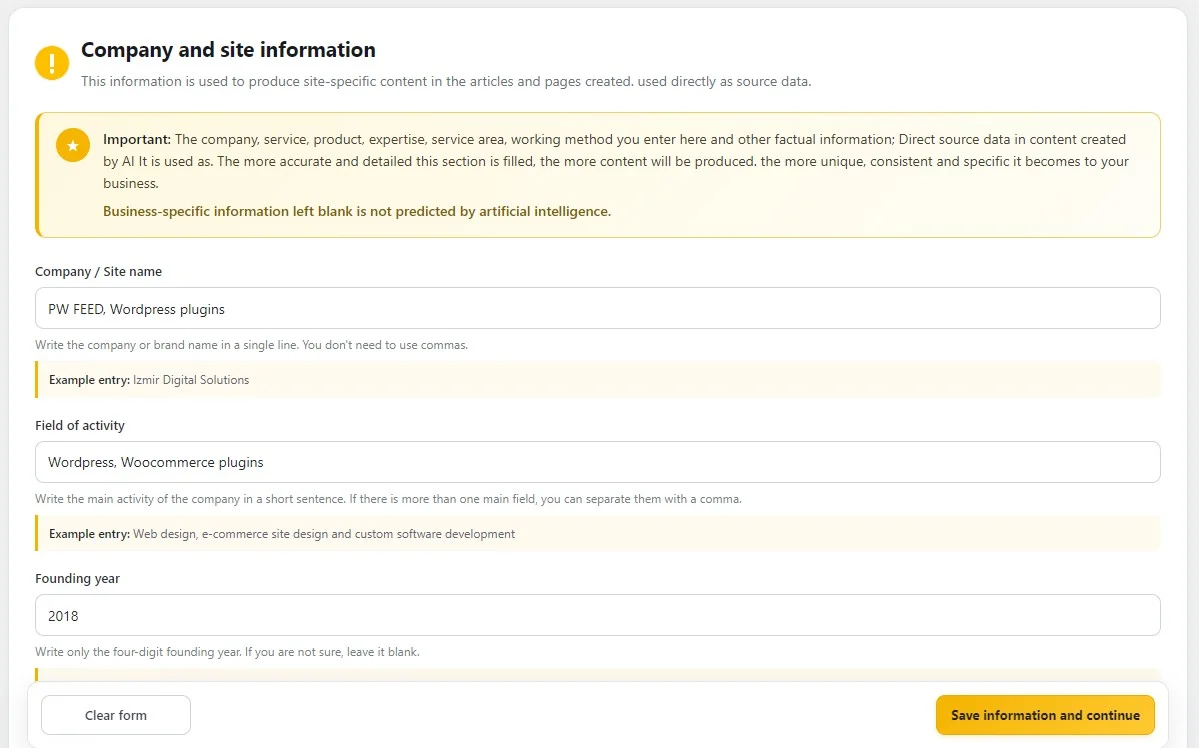
The administrator defines topics.
AI generates content.
SEO and GEO rules are applied.
The page becomes a draft.
An editor reviews it.
WordPress publishes it.
Website visitors only encounter the final article.
The automation interface itself does not need to change the public design.
This separation makes adoption easier for mature websites.
𝗡𝗲𝘄 𝗽𝗼𝘀𝘁𝘀 𝗰𝗮𝗻 𝘂𝘀𝗲 𝗲𝘅𝗶𝘀𝘁𝗶𝗻𝗴 𝗰𝗮𝘁𝗲𝗴𝗼𝗿𝗶𝗲𝘀
Content organization can also remain consistent.
If the site already uses categories such as:
SEO.
WordPress.
AI.
Tutorials.
News.
The generated article can be assigned appropriately without restructuring the whole website.
However, categories should remain controlled.
Automation should not create a new category for every minor topic.
The existing taxonomy can often continue to work.
𝗖𝗼𝗻𝘁𝗲𝗻𝘁 𝗰𝗹𝘂𝘀𝘁𝗲𝗿𝘀 𝗱𝗼 𝗻𝗼𝘁 𝗿𝗲𝗾𝘂𝗶𝗿𝗲 𝘁𝗵𝗲𝗺𝗲 𝗰𝗵𝗮𝗻𝗴𝗲𝘀
Topic clusters are primarily a content and internal-linking strategy.
A website can create:
Central pages.
Supporting articles.
Contextual internal links.
Clear search-intent separation.
All of this can occur within the existing theme.
The visual menu can remain unchanged unless the business chooses to expose some important pages more prominently.
Content architecture and menu design can work together, but one does not automatically require rebuilding the other.
𝗜𝗻𝘁𝗲𝗿𝗻𝗮𝗹 𝗹𝗶𝗻𝗸𝗶𝗻𝗴 𝗰𝗮𝗻 𝗯𝗲 𝗶𝗺𝗽𝗿𝗼𝘃𝗲𝗱 𝘄𝗶𝘁𝗵𝗼𝘂𝘁 𝘃𝗶𝘀𝘂𝗮𝗹 𝗰𝗵𝗮𝗻𝗴𝗲𝘀
AI can suggest or create contextual internal links inside articles.
These use the theme’s existing link styling.
The website does not need new visual components.
The content becomes better connected while preserving the established design.
This is a good example of how significant SEO improvements can occur without changing the front-end appearance.
𝗔𝗜 𝗰𝗮𝗻 𝗮𝗹𝘀𝗼 𝗵𝗲𝗹𝗽 𝗮𝗳𝘁𝗲𝗿 𝗮 𝘁𝗵𝗲𝗺𝗲 𝗰𝗵𝗮𝗻𝗴𝗲
Although a theme change is not required, a business may eventually decide to redesign for unrelated reasons.
A clean content structure remains valuable.
If the articles use standard WordPress content rather than theme-specific visual code, migration can be easier.
The new theme applies its own styling to the existing content.
This provides another argument for keeping AI-generated posts structurally simple and semantically clean.
𝗔𝘃𝗼𝗶𝗱 𝘁𝗵𝗲𝗺𝗲-𝘀𝗽𝗲𝗰𝗶𝗳𝗶𝗰 𝘀𝗵𝗼𝗿𝘁𝗰𝗼𝗱𝗲𝘀 𝘄𝗵𝗲𝗻 𝘁𝗵𝗲𝘆 𝗮𝗿𝗲 𝗻𝗼𝘁 𝗻𝗲𝗲𝗱𝗲𝗱
Some themes create content using proprietary shortcodes.
These can create lock-in.
If the theme is changed later, the content may stop rendering properly.
An AI content workflow should preferably use standard WordPress content structures unless special functionality is required.
This helps the content remain portable.
The automation system should increase flexibility, not reduce it.
𝗦𝘁𝗮𝗻𝗱𝗮𝗿𝗱 𝗰𝗼𝗻𝘁𝗲𝗻𝘁 𝗶𝘀 𝗲𝗮𝘀𝗶𝗲𝗿 𝘁𝗼 𝗺𝗮𝗶𝗻𝘁𝗮𝗶𝗻
Standard paragraphs, headings, links, images, and lists can be displayed by almost any WordPress theme.
This creates long-term stability.
AI-generated content should therefore focus on semantic information rather than proprietary layout components.
If the site needs a special promotional block, the business can add that separately.
Routine articles remain clean.
𝗘-𝗰𝗼𝗺𝗺𝗲𝗿𝗰𝗲 𝘀𝗶𝘁𝗲𝘀 𝗰𝗮𝗻 𝗮𝘂𝘁𝗼𝗺𝗮𝘁𝗲 𝗯𝗹𝗼𝗴 𝗰𝗼𝗻𝘁𝗲𝗻𝘁 𝘄𝗶𝘁𝗵𝗼𝘂𝘁 𝘁𝗼𝘂𝗰𝗵𝗶𝗻𝗴 𝘀𝘁𝗼𝗿𝗲 𝗱𝗲𝘀𝗶𝗴𝗻
A WooCommerce site may have a highly customized shop.
The business may be reluctant to install anything that changes product pages or checkout styling.
Content automation can be limited to the blog.
Articles can support:
Product categories.
Buyer questions.
How-to content.
Comparison topics.
SEO.
GEO.
The shop design remains untouched.
This is a practical way for e-commerce businesses to benefit from AI content while protecting the commercial interface.
𝗟𝗼𝗰𝗮𝗹 𝗯𝘂𝘀𝗶𝗻𝗲𝘀𝘀𝗲𝘀 𝗰𝗮𝗻 𝗸𝗲𝗲𝗽 𝘁𝗵𝗲𝗶𝗿 𝗲𝘅𝗶𝘀𝘁𝗶𝗻𝗴 𝗹𝗼𝗰𝗮𝗹 𝗱𝗲𝘀𝗶𝗴𝗻
A local business may already have a theme designed around:
Phone calls.
Maps.
Service buttons.
Contact forms.
Opening hours.
Appointment requests.
AI-generated educational content can be added without rebuilding these conversion elements.
The blog becomes richer.
The local service pages remain visually familiar.
This protects the customer experience while expanding search visibility.
𝗔𝗴𝗲𝗻𝗰𝗶𝗲𝘀 𝗰𝗮𝗻 𝗶𝗻𝘁𝗿𝗼𝗱𝘂𝗰𝗲 𝗔𝗜 𝗰𝗼𝗻𝘁𝗲𝗻𝘁 𝘄𝗶𝘁𝗵𝗼𝘂𝘁 𝗿𝗲𝗱𝗲𝘀𝗶𝗴𝗻𝗶𝗻𝗴 𝗰𝗹𝗶𝗲𝗻𝘁 𝘀𝗶𝘁𝗲𝘀
This is particularly useful for agencies.
Clients may use many different themes.
Some sites may be modern.
Others may be older.
Some may use custom builders.
The agency can introduce a content workflow without demanding that every client move to the same theme.
Each site retains its own design identity.
The agency standardizes content strategy instead.
This makes AI adoption easier across a diverse client portfolio.
𝗖𝗹𝗶𝗲𝗻𝘁 𝗮𝗽𝗽𝗿𝗼𝘃𝗮𝗹 𝗯𝗲𝗰𝗼𝗺𝗲𝘀 𝗲𝗮𝘀𝗶𝗲𝗿 𝘄𝗵𝗲𝗻 𝗱𝗲𝘀𝗶𝗴𝗻 𝗶𝘀 𝘂𝗻𝗰𝗵𝗮𝗻𝗴𝗲𝗱
Clients may be concerned when they hear the word automation.
If the project affects only content production and leaves the design untouched, the change is easier to explain.
The client can preview generated posts in the familiar website environment.
The only visible difference is new content.
This can reduce implementation resistance.
𝗕𝘂𝘀𝗶𝗻𝗲𝘀𝘀 𝗽𝗿𝗼𝗳𝗶𝗹𝗲𝘀 𝗺𝗮𝘁𝘁𝗲𝗿 𝗺𝗼𝗿𝗲 𝘁𝗵𝗮𝗻 𝘁𝗵𝗲𝗺𝗲 𝘁𝗲𝗺𝗽𝗹𝗮𝘁𝗲𝘀 𝗳𝗼𝗿 𝗔𝗜 𝗰𝗼𝗻𝘁𝗲𝗻𝘁
The AI needs to understand the business.
It does not need to imitate the visual theme in its writing.
Useful context includes:
Business name.
Products.
Services.
Audience.
Locations.
Preferred terminology.
Important internal pages.
SEO goals.
GEO context.
Publishing preferences.
This information has a greater influence on content quality than the theme’s visual layout.
The theme displays the content after generation.
𝗕𝗿𝗮𝗻𝗱 𝘃𝗼𝗶𝗰𝗲 𝗰𝗮𝗻 𝗿𝗲𝗺𝗮𝗶𝗻 𝗰𝗼𝗻𝘀𝗶𝘀𝘁𝗲𝗻𝘁 𝘄𝗶𝘁𝗵 𝘁𝗵𝗲 𝗲𝘅𝗶𝘀𝘁𝗶𝗻𝗴 𝘀𝗶𝘁𝗲
Visual design is only one part of brand consistency.
Language matters too.
AI content can follow the site’s preferred tone.
For example:
Professional.
Technical.
Educational.
Direct.
Conversational.
The new articles can therefore feel consistent with older content even though they were produced using a new workflow.
This prevents automation from creating a disconnected editorial identity.
𝗖𝗼𝗻𝘁𝗲𝗻𝘁 𝗿𝘂𝗹𝗲𝘀 𝗰𝗮𝗻 𝗯𝗲 𝗰𝗵𝗮𝗻𝗴𝗲𝗱 𝘄𝗶𝘁𝗵𝗼𝘂𝘁 𝗿𝗲𝗱𝗲𝘀𝗶𝗴𝗻
Suppose the business later changes its preferred article length.
Or decides to create more GEO-focused content.
Or switches from direct publishing to draft mode.
These are content-system changes.
The theme can remain exactly the same.
Separating these layers gives the website greater flexibility.
Editorial strategy can evolve without affecting visual infrastructure.
𝗣𝘂𝗯𝗹𝗶𝘀𝗵𝗶𝗻𝗴 𝗳𝗿𝗲𝗾𝘂𝗲𝗻𝗰𝘆 𝗰𝗮𝗻 𝗰𝗵𝗮𝗻𝗴𝗲 𝗶𝗻𝗱𝗲𝗽𝗲𝗻𝗱𝗲𝗻𝘁𝗹𝘆
A website may begin with one AI-generated article each week.
Later, it may increase or reduce that frequency.
This decision has no necessary relationship with the theme.
The content strategy changes.
The visual presentation remains stable.
This is another benefit of treating AI automation as an operational layer.
𝗖𝗼𝗻𝘁𝗲𝗻𝘁 𝘁𝗲𝘀𝘁𝗶𝗻𝗴 𝗶𝘀 𝗲𝗮𝘀𝗶𝗲𝗿 𝘄𝗵𝗲𝗻 𝘁𝗵𝗲 𝘁𝗵𝗲𝗺𝗲 𝗿𝗲𝗺𝗮𝗶𝗻𝘀 𝗰𝗼𝗻𝘀𝘁𝗮𝗻𝘁
If content strategy and design are changed simultaneously, it becomes harder to understand what influenced results.
Keeping the theme stable allows the business to evaluate the content workflow separately.
For example:
Is publication becoming more consistent?
Are new topic clusters forming?
Are internal links improving?
Are important content gaps being filled?
The site can measure these changes without introducing a complete redesign at the same time.
𝗖𝗼𝗻𝘁𝗲𝗻𝘁 𝗮𝘂𝘁𝗼𝗺𝗮𝘁𝗶𝗼𝗻 𝗰𝗮𝗻 𝗯𝗲 𝗿𝗲𝘃𝗲𝗿𝘀𝗶𝗯𝗹𝗲
A business may want to test AI before committing heavily.
If the system operates through generated WordPress content rather than a proprietary theme, experimentation is easier.
The site can pause future generation.
Published articles remain standard WordPress content.
The design remains unchanged.
This reduces lock-in.
It also makes AI automation feel less like a permanent website migration and more like an optional publishing capability.
𝗕𝗮𝗰𝗸𝘂𝗽𝘀 𝗮𝗿𝗲 𝘀𝘁𝗶𝗹𝗹 𝗶𝗺𝗽𝗼𝗿𝘁𝗮𝗻𝘁
Any significant WordPress change should be approached responsibly.
Installing a new plugin or introducing automated publishing should occur on a website with reliable backups.
This does not mean the theme will be changed.
It is simply good WordPress administration.
A staging environment can also be useful for heavily customized sites.
The content workflow can be tested safely before production use.
𝗧𝗵𝗲 𝗳𝗶𝗿𝘀𝘁 𝘁𝗲𝘀𝘁 𝘀𝗵𝗼𝘂𝗹𝗱 𝗯𝗲 𝘀𝗺𝗮𝗹𝗹
A practical first test could involve one article.
Choose a low-risk informational topic.
Generate it as a draft.
Review the content.
Preview it with the existing theme.
Check desktop and mobile.
Check internal links.
Verify SEO elements.
Confirm that nothing in the website design has changed unexpectedly.
Then expand the workflow gradually.
This is safer than immediately enabling large-scale direct publishing.
𝗖𝗼𝗻𝘁𝗲𝗻𝘁 𝘀𝗵𝗼𝘂𝗹𝗱 𝗯𝗲 𝘁𝗲𝘀𝘁𝗲𝗱 𝗶𝗻 𝘁𝗵𝗲 𝗿𝗲𝗮𝗹 𝗳𝗿𝗼𝗻𝘁 𝗲𝗻𝗱
An article may look correct in the editor but behave differently in the actual theme.
A preview can reveal:
Oversized headings.
Unusual spacing.
Image issues.
Link styling.
List formatting.
Mobile problems.
These are presentation checks.
They do not mean the content-generation strategy is wrong.
Minor compatibility adjustments can often solve them without changing the entire theme.
𝗧𝗵𝗲 𝗰𝗼𝗻𝘁𝗲𝗻𝘁 𝘄𝗼𝗿𝗸𝗳𝗹𝗼𝘄 𝘀𝗵𝗼𝘂𝗹𝗱 𝗮𝘃𝗼𝗶𝗱 𝗰𝗼𝗻𝗳𝗹𝗶𝗰𝘁𝗶𝗻𝗴 𝘄𝗶𝘁𝗵 𝘁𝗵𝗲𝗺𝗲 𝗳𝘂𝗻𝗰𝘁𝗶𝗼𝗻𝘀
Some themes include built-in SEO fields, related-post systems, or custom content modules.
A new wordpress plugin should avoid duplicating or conflicting with these functions.
The correct architecture depends on the site.
The general principle is simple:
Use the new AI system for the tasks it is intended to perform and leave unrelated theme functionality alone.
This minimizes disruption.
𝗧𝗵𝗲 𝘀𝗮𝗺𝗲 𝗔𝗜 𝗰𝗼𝗻𝘁𝗲𝗻𝘁 𝘀𝘁𝗿𝗮𝘁𝗲𝗴𝘆 𝗰𝗮𝗻 𝘄𝗼𝗿𝗸 𝗮𝗰𝗿𝗼𝘀𝘀 𝗺𝗮𝗻𝘆 𝘁𝗵𝗲𝗺𝗲𝘀
This is useful for agencies and multi-site operators.
One site may use a lightweight blog theme.
Another may use a corporate theme.
Another may use a WooCommerce theme.
Another may have a custom front end.
The editorial logic can remain similar:
Define business context.
Identify content gaps.
Plan topics.
Generate articles.
Apply SEO and GEO.
Add internal links.
Use draft or direct publishing rules.
The design layer changes from site to site.
The content strategy does not need to.
𝗣𝗪 𝗙𝗲𝗲𝗱 𝗮𝗻𝗱 𝘁𝗵𝗲𝗺𝗲-𝗶𝗻𝗱𝗲𝗽𝗲𝗻𝗱𝗲𝗻𝘁 𝗰𝗼𝗻𝘁𝗲𝗻𝘁 𝗮𝘂𝘁𝗼𝗺𝗮𝘁𝗶𝗼𝗻
PW Feed can support a WordPress content workflow designed around AI generation rather than website redesign.
The existing site remains the foundation.
Its theme continues to control presentation.
Its pages remain in place.
Its business identity remains unchanged.
AI can assist with:
New content.
Topic planning.
SEO.
GEO.
Publishing.
Content consistency.
Internal linking.
A wordpress plugin provides a practical way to add this functionality without requiring an entirely new front-end system.
Readers who want more information about PW Feed and how it can fit into an existing WordPress site can continue through the PW Feed contact page.
Users ready to review purchasing options can proceed to the PW Feed buy page.
𝗧𝗵𝗲 𝘃𝗮𝗹𝘂𝗲 𝗶𝘀 𝗶𝗻 𝗸𝗲𝗲𝗽𝗶𝗻𝗴 𝗱𝗲𝘀𝗶𝗴𝗻 𝗮𝗻𝗱 𝗲𝗱𝗶𝘁𝗼𝗿𝗶𝗮𝗹 𝗮𝘂𝘁𝗼𝗺𝗮𝘁𝗶𝗼𝗻 𝘀𝗲𝗽𝗮𝗿𝗮𝘁𝗲
This separation provides flexibility.
The business can change its AI settings without changing its theme.
It can change publishing frequency without changing its design.
It can update SEO strategy without rebuilding its header.
It can add GEO-focused content without replacing its page templates.
It can eventually redesign the site without losing the underlying content system.
Each layer can evolve independently.
This is a more maintainable architecture.
𝗪𝗵𝗲𝗻 𝗮 𝘁𝗵𝗲𝗺𝗲 𝗰𝗵𝗮𝗻𝗴𝗲 𝗺𝗮𝘆 𝘀𝘁𝗶𝗹𝗹 𝗺𝗮𝗸𝗲 𝘀𝗲𝗻𝘀𝗲
There are situations where a theme change may be useful.
For example:
The theme is obsolete.
It is no longer maintained.
It has serious security problems.
It performs poorly.
It is not mobile-friendly.
Its post template is difficult to read.
It prevents normal WordPress functionality.
These are independent reasons to consider a new theme.
AI content automation should not be used as the reason if the existing theme otherwise works correctly.
This distinction avoids unnecessary projects.
𝗧𝗵𝗲 𝗰𝗼𝗻𝘁𝗲𝗻𝘁 𝘀𝘆𝘀𝘁𝗲𝗺 𝘀𝗵𝗼𝘂𝗹𝗱 𝗯𝗲 𝗽𝗼𝗿𝘁𝗮𝗯𝗹𝗲
A strong long-term WordPress strategy avoids tying important content to one theme whenever possible.
Articles should remain usable even if the design changes later.
Standard WordPress structure helps achieve this.
AI-generated content can therefore become a durable asset.
The theme is replaceable.
The information remains valuable.
This perspective protects the business’s content investment.
𝗙𝗶𝗻𝗮𝗹 𝘁𝗵𝗼𝘂𝗴𝗵𝘁𝘀 𝗼𝗻 𝗮𝘂𝘁𝗼𝗺𝗮𝘁𝗶𝗻𝗴 𝗰𝗼𝗻𝘁𝗲𝗻𝘁 𝘄𝗶𝘁𝗵𝗼𝘂𝘁 𝗰𝗵𝗮𝗻𝗴𝗶𝗻𝗴 𝘆𝗼𝘂𝗿 𝗪𝗼𝗿𝗱𝗣𝗿𝗲𝘀𝘀 𝘁𝗵𝗲𝗺𝗲
WordPress content automation does not need to become a website redesign project.
The theme and the content system serve different purposes.
The theme controls how the website looks.
The AI workflow helps determine what content is created, how it is optimized, and how it is published.
A website can therefore keep its existing:
Theme.
Brand design.
Menus.
Header.
Footer.
WooCommerce styling.
Page-builder layouts.
While introducing AI-assisted:
Article generation.
SEO.
GEO.
Topic planning.
Draft creation.
Publishing.
Internal linking.
Content expansion.
A wordpress plugin can provide this functionality from inside the existing WordPress environment.
PW Feed can support this approach by adding an AI content workflow without requiring businesses to abandon a theme they already use successfully.
Implementation should still be tested carefully.
A heavily customized site may have unique requirements.
The safest approach is to begin with drafts, preview the output using the current theme, confirm compatibility, and expand automation gradually.
The most important principle is separation.
Content automation should improve the editorial system without unnecessarily taking control of the visual system.
When these layers remain independent, businesses can gain the efficiency of AI content generation while protecting the design, structure, and WordPress investment they already have.