
AI content generation without relying on a traditional SEO plugin
WordPress websites often use dedicated SEO plugins to manage titles, meta descriptions, indexing rules, schema settings, sitemaps, and other optimization tasks.
These tools can be useful.

However, AI content generation introduces another approach.
A website can create SEO-focused content directly as part of the content-generation workflow instead of relying entirely on a traditional SEO plugin to improve an article after it has already been written.
This does not mean every SEO plugin is unnecessary.
It means the content itself can be created with SEO requirements already built into the process.
Artificial intelligence can generate an article around a defined search intent, create an appropriate SEO title, prepare a unique meta description, incorporate related terminology naturally, suggest internal links, avoid duplicate topics, and structure the article so that important concepts are easy to understand.
GEO can also be incorporated at the same stage.
PW Feed can support this type of workflow by combining WordPress AI content generation, SEO, GEO, publishing control, and wordpress plugin functionality.
The objective is to move optimization closer to content creation rather than treating SEO as a completely separate task performed afterward.
𝗪𝗵𝗮𝘁 𝗱𝗼𝗲𝘀 “𝘄𝗶𝘁𝗵𝗼𝘂𝘁 𝗿𝗲𝗹𝘆𝗶𝗻𝗴 𝗼𝗻 𝗮 𝘁𝗿𝗮𝗱𝗶𝘁𝗶𝗼𝗻𝗮𝗹 𝗦𝗘𝗢 𝗽𝗹𝘂𝗴𝗶𝗻” 𝗺𝗲𝗮𝗻?
It does not necessarily mean removing every SEO-related tool from WordPress.
The important word is relying.
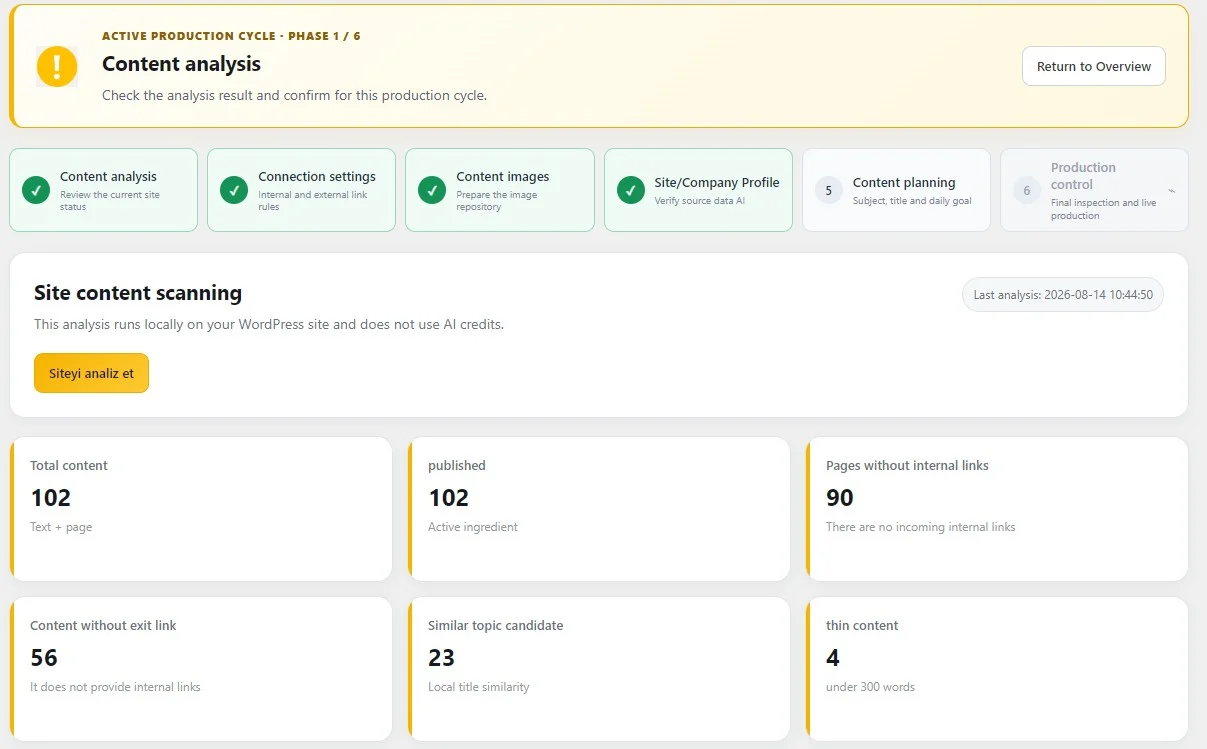
A traditional workflow may look like this:
Write the article.
Publish or save it.
Open an SEO plugin.
Enter a focus keyword.
Rewrite the title.
Create a meta description.
Check keyword usage.
Adjust headings.
Add internal links.
Review recommendations.

The article is created first.
SEO is added afterward.
An AI-driven workflow can reverse this relationship.
SEO requirements can be defined before generation.
The article is then created according to those requirements.
This reduces the amount of corrective work needed after writing.
𝗦𝗘𝗢 𝗰𝗮𝗻 𝗯𝗲𝗰𝗼𝗺𝗲 𝗽𝗮𝗿𝘁 𝗼𝗳 𝘁𝗵𝗲 𝗰𝗼𝗻𝘁𝗲𝗻𝘁 𝗯𝗿𝗶𝗲𝗳
Before an article is generated, the system can already know:
The primary topic.
Search intent.
Target keyword.
Related terminology.
Audience.
Article purpose.
Relevant internal pages.
Existing content that should not be duplicated.
Desired SEO title.
Meta-description requirements.
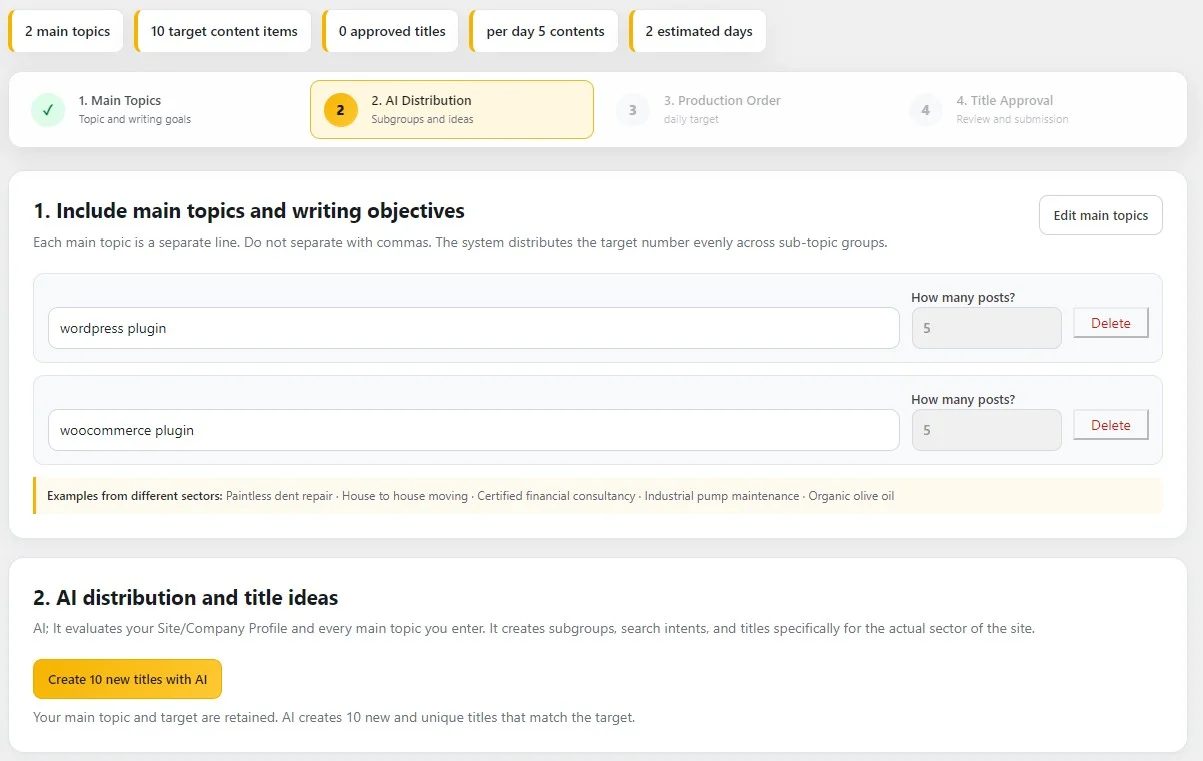
This information becomes part of the article assignment.
The AI does not need to create a generic article and then optimize it.
It creates the article within an SEO-aware framework.
This is one of the biggest differences between AI content automation and traditional post-production SEO editing.

𝗦𝗲𝗮𝗿𝗰𝗵 𝗶𝗻𝘁𝗲𝗻𝘁 𝗺𝗮𝘁𝘁𝗲𝗿𝘀 𝗺𝗼𝗿𝗲 𝘁𝗵𝗮𝗻 𝗮 𝗴𝗿𝗲𝗲𝗻 𝘀𝗰𝗼𝗿𝗲
Traditional SEO tools often provide visual scores or recommendations.
These can be useful indicators.
However, a technically optimized article can still target the wrong intent.
Suppose a page receives excellent optimization scores for the phrase WordPress AI content.
If the user searching that phrase wants a plugin and the page discusses general AI history, the article still has a relevance problem.
AI content generation should therefore begin with intent.
What does the user want?
What problem are they trying to solve?
What information should the page provide?
These questions matter more than mechanically satisfying a checklist.
𝗔𝗜 𝗰𝗮𝗻 𝗴𝗲𝗻𝗲𝗿𝗮𝘁𝗲 𝗦𝗘𝗢-𝗳𝗿𝗶𝗲𝗻𝗱𝗹𝘆 𝗰𝗼𝗻𝘁𝗲𝗻𝘁 𝗳𝗿𝗼𝗺 𝘁𝗵𝗲 𝗯𝗲𝗴𝗶𝗻𝗻𝗶𝗻𝗴
A well-designed AI prompt or wordpress plugin workflow can guide article creation according to SEO principles.
For example, the generated content can:
Stay focused on one primary search intent.
Use the main terminology naturally.
Cover supporting concepts.
Answer relevant questions.
Avoid unrelated topics.
Use a logical content structure.
Create distinct sections.
Include useful internal links.

Avoid unnecessary repetition.
This produces content that is already closer to the intended SEO objective.
The role of optimization changes from correction to design.
𝗔 𝗳𝗼𝗰𝘂𝘀 𝗸𝗲𝘆𝘄𝗼𝗿𝗱 𝗶𝘀 𝗻𝗼𝘁 𝘁𝗵𝗲 𝘄𝗵𝗼𝗹𝗲 𝗦𝗘𝗢 𝘀𝘁𝗿𝗮𝘁𝗲𝗴𝘆
A single keyword can be useful for defining the subject.
Modern content needs more context.
For example, an article targeting AI content generation without a traditional SEO plugin may naturally discuss:
WordPress.
AI content.
SEO automation.
Search intent.

SEO titles.
Meta descriptions.
Internal linking.
Duplicate-content prevention.
GEO.
wordpress plugin workflows.
These terms build semantic context around the subject.
A traditional focus-keyword approach may emphasize how many times one phrase appears.
An AI-assisted strategy can instead work with the broader meaning of the page.
This often produces more natural writing.
𝗞𝗲𝘆𝘄𝗼𝗿𝗱 𝗱𝗲𝗻𝘀𝗶𝘁𝘆 𝘀𝗵𝗼𝘂𝗹𝗱 𝗻𝗼𝘁 𝗰𝗼𝗻𝘁𝗿𝗼𝗹 𝘁𝗵𝗲 𝗮𝗿𝘁𝗶𝗰𝗹𝗲
A page should not repeat the target phrase simply to reach an arbitrary density.
This can weaken readability.
Related wording should appear where it makes sense.
For example:
AI content generation.
Automated WordPress content.
SEO-focused AI articles.
WordPress AI content workflow.
These terms can express related ideas naturally.
The article remains semantically focused without sounding repetitive.
AI can be instructed to prioritize relevance and readability rather than keyword frequency.
𝗨𝗻𝗶𝗾𝘂𝗲 𝗦𝗘𝗢 𝘁𝗶𝘁𝗹𝗲𝘀 𝗰𝗮𝗻 𝗯𝗲 𝗴𝗲𝗻𝗲𝗿𝗮𝘁𝗲𝗱 𝗮𝘂𝘁𝗼𝗺𝗮𝘁𝗶𝗰𝗮𝗹𝗹𝘆
An SEO plugin is often used to create or modify page titles.
AI can generate them directly.
A good automated title process considers:
The article topic.
Search intent.
Existing titles.
Primary terminology.
Page differentiation.
The title should describe the page accurately.
It should also remain different from related content.
For example:
How to create SEO-friendly WordPress posts automatically.
How to generate unique SEO titles automatically in WordPress.
How to prevent duplicate AI content in WordPress.
These pages belong to the same wider subject but have clearly different purposes.
AI can create titles around those distinctions.
𝗧𝗶𝘁𝗹𝗲 𝗴𝗲𝗻𝗲𝗿𝗮𝘁𝗶𝗼𝗻 𝗰𝗮𝗻 𝗶𝗻𝗰𝗹𝘂𝗱𝗲 𝗱𝘂𝗽𝗹𝗶𝗰𝗮𝘁𝗲 𝗰𝗵𝗲𝗰𝗸𝘀
A title should not be generated in isolation.
The system can compare it with existing WordPress content.
If a near-identical title already exists, the workflow can identify a possible problem.
Sometimes the title simply needs to be rewritten.
Sometimes the underlying topic is duplicated.
This creates a more useful safeguard than a basic SEO score.
Title similarity becomes part of content governance.
𝗠𝗲𝘁𝗮 𝗱𝗲𝘀𝗰𝗿𝗶𝗽𝘁𝗶𝗼𝗻𝘀 𝗰𝗮𝗻 𝗯𝗲 𝗽𝗿𝗲𝗽𝗮𝗿𝗲𝗱 𝗳𝗿𝗼𝗺 𝘁𝗵𝗲 𝗳𝗶𝗻𝗮𝗹 𝗮𝗿𝘁𝗶𝗰𝗹𝗲
AI can also create a unique meta description after the content is generated.
This allows the description to reflect:
What the page actually explains.
Which problem it solves.
What makes it different.
Which search intent it serves.
The result can be more accurate than a generic template.
For example, a page about duplicate AI content should have a description specifically about duplication.
It should not use the same generic description as a page about automatic publishing.
This helps distinguish individual results.
𝗠𝗲𝘁𝗮𝗱𝗮𝘁𝗮 𝘂𝗻𝗶𝗾𝘂𝗲𝗻𝗲𝘀𝘀 𝗰𝗮𝗻 𝗯𝗲 𝗽𝗮𝗿𝘁 𝗼𝗳 𝘁𝗵𝗲 𝘀𝘆𝘀𝘁𝗲𝗺
A growing WordPress website can accidentally reuse similar metadata.
AI automation can include uniqueness checks.
The system can compare:
SEO titles.
Meta descriptions.
Article topics.
Search intent.
This is especially useful for sites publishing frequently.
Instead of waiting for a later SEO audit to discover the problem, the system can detect similarity before publication.
𝗗𝘂𝗽𝗹𝗶𝗰𝗮𝘁𝗲-𝗰𝗼𝗻𝘁𝗲𝗻𝘁 𝗰𝗼𝗻𝘁𝗿𝗼𝗹 𝗰𝗮𝗻 𝗵𝗮𝗽𝗽𝗲𝗻 𝗯𝗲𝗳𝗼𝗿𝗲 𝘄𝗿𝗶𝘁𝗶𝗻𝗴
Traditional optimization often focuses on the article after it exists.
AI makes it possible to analyze the topic before generation.
The proposed article can be compared with:
Published titles.
Existing page summaries.
Current content clusters.
Planned articles.
Primary search intentions.
If another page already owns the same intent, a new article may not be necessary.
The system could instead recommend:
Expanding an existing page.
Changing the topic angle.
Creating a narrower supporting article.
Rejecting the proposed topic.
This type of analysis can prevent SEO problems rather than repairing them later.
𝗦𝗘𝗢 𝗯𝗲𝗰𝗼𝗺𝗲 𝗮 𝘀𝗶𝘁𝗲-𝘄𝗶𝗱𝗲 𝗱𝗲𝗰𝗶𝘀𝗶𝗼𝗻
A traditional SEO checklist is often page-specific.
A mature AI content system can consider the entire website.
The question changes from:
Is this page optimized?
to:
Does this page improve the website?
That includes questions such as:
Does it fill a real content gap?
Does it strengthen an important cluster?
Does another page already target this search intent?
Can it support an important commercial page?
Does it create useful internal-link opportunities?
Does it clarify an important entity?
This broader view can produce a stronger content strategy.
𝗜𝗻𝘁𝗲𝗿𝗻𝗮𝗹 𝗹𝗶𝗻𝗸𝗶𝗻𝗴 𝗰𝗮𝗻 𝗯𝗲 𝗽𝗮𝗿𝘁 𝗼𝗳 𝗴𝗲𝗻𝗲𝗿𝗮𝘁𝗶𝗼𝗻
Traditional SEO workflows often add internal links after the article has been written.
AI can consider them during creation.
If the system knows the existing WordPress pages, it can identify relevant destinations.
For example, an article about AI content generation may naturally link toward pages about:
Content planning.
Automatic publishing.
Duplicate-content prevention.
Internal linking.
GEO.
The article can be generated with these relationships in mind.
This helps integrate the new page into the existing site from the beginning.
𝗔𝗜 𝗰𝗮𝗻 𝗰𝗵𝗼𝗼𝘀𝗲 𝗹𝗶𝗻𝗸𝘀 𝗯𝗮𝘀𝗲𝗱 𝗼𝗻 𝗺𝗲𝗮𝗻𝗶𝗻𝗴
Simple automatic-linking systems often depend on exact keywords.
AI can use semantic relevance.
For example, a paragraph about editorial approval may be related to an article about automatic WordPress drafts even if the exact phrase is not present.
The AI can recognize the conceptual connection.
This creates more useful internal links.
The objective is not link quantity.
It is meaningful site architecture.
𝗖𝗼𝗻𝘁𝗲𝗻𝘁 𝗰𝗹𝘂𝘀𝘁𝗲𝗿𝘀 𝗰𝗮𝗻 𝗴𝘂𝗶𝗱𝗲 𝗦𝗘𝗢 𝗮𝘂𝘁𝗼𝗺𝗮𝘁𝗶𝗼𝗻
A content cluster organizes related pages around a broader subject.
AI can use cluster membership during generation.
For example, a WordPress AI SEO cluster may contain:
SEO-friendly AI posts.
Unique SEO titles.
Meta descriptions.
Internal linking.
Duplicate-content prevention.
Each page receives a distinct assignment.
Internal links connect them.
Titles and metadata reflect their separate purposes.
This can create a cleaner SEO structure without requiring an SEO plugin to evaluate each page independently after publication.
𝗖𝗼𝗻𝘁𝗲𝗻𝘁 𝗴𝗮𝗽𝘀 𝗰𝗮𝗻 𝗱𝗿𝗶𝘃𝗲 𝘁𝗼𝗽𝗶𝗰 𝘀𝗲𝗹𝗲𝗰𝘁𝗶𝗼𝗻
SEO automation should not only improve pages.
It can help decide what to publish.
AI can analyze the existing content library and identify missing subjects.
For example:
The site may have many publishing articles but no internal-linking guide.
It may have SEO content but almost nothing about GEO.
It may explain AI content generally but not service-page content.
These gaps become stronger topic candidates than random keyword ideas.
SEO therefore becomes part of editorial planning.
𝗔𝗜 𝗰𝗮𝗻 𝗵𝗲𝗹𝗽 𝗱𝗲𝗰𝗶𝗱𝗲 𝘄𝗵𝗲𝘁𝗵𝗲𝗿 𝘁𝗼 𝗰𝗿𝗲𝗮𝘁𝗲 𝗼𝗿 𝗲𝘅𝗽𝗮𝗻𝗱
Not every SEO opportunity requires another URL.
An existing article may already own the topic.
AI can analyze whether the better action is:
Create a new article.
Expand an existing page.
Consolidate several pages.
Add an FAQ.
Improve metadata.
Strengthen internal links.
This reduces unnecessary site growth.
It also helps prevent keyword cannibalization.
A simple SEO plugin usually evaluates the page currently being edited.
AI can assist with the strategic decision before that page even exists.
𝗪𝗵𝗮𝘁 𝗰𝗮𝗻 𝗮 𝘁𝗿𝗮𝗱𝗶𝘁𝗶𝗼𝗻𝗮𝗹 𝗦𝗘𝗢 𝗽𝗹𝘂𝗴𝗶𝗻 𝘀𝘁𝗶𝗹𝗹 𝗯𝗲 𝘂𝘀𝗲𝗳𝘂𝗹 𝗳𝗼𝗿?
SEO plugins can provide functions beyond content writing.
Depending on the product, these can include:
XML sitemap management.
Robots directives.
Canonical controls.
Redirect tools.
Structured-data settings.
Social metadata.
Technical indexation settings.
Site-wide templates.
These are technical functions.
AI content generation does not automatically replace all of them.
This distinction is important.
A website can reduce its dependence on a traditional SEO plugin for content creation without claiming that every technical SEO function should be handled by AI.
𝗖𝗼𝗻𝘁𝗲𝗻𝘁 𝗦𝗘𝗢 𝗮𝗻𝗱 𝘁𝗲𝗰𝗵𝗻𝗶𝗰𝗮𝗹 𝗦𝗘𝗢 𝗮𝗿𝗲 𝗻𝗼𝘁 𝗶𝗱𝗲𝗻𝘁𝗶𝗰𝗮𝗹
Content SEO includes areas such as:
Search intent.
Topic selection.
Semantic relevance.
Titles.
Descriptions.
Internal links.
Content depth.
Topic clusters.
Technical SEO includes areas such as:
Crawlability.
Indexation.
Canonicalization.
Redirects.
Server responses.
Site architecture.
Performance.
Structured technical settings.
AI content generation can automate many content-related tasks.
Technical SEO still needs proper WordPress and website configuration.
Understanding the difference prevents unrealistic expectations.
𝗔 𝘄𝗲𝗯𝘀𝗶𝘁𝗲 𝗰𝗮𝗻 𝘂𝘀𝗲 𝗔𝗜 𝗰𝗼𝗻𝘁𝗲𝗻𝘁 𝘄𝗶𝘁𝗵 𝗼𝗿 𝘄𝗶𝘁𝗵𝗼𝘂𝘁 𝗮𝗻 𝗲𝘅𝗶𝘀𝘁𝗶𝗻𝗴 𝗦𝗘𝗢 𝘁𝗼𝗼𝗹
The content strategy does not need to depend on one specific configuration.
Some WordPress websites already have established SEO tools.
Others prefer a simpler setup.
AI content generation can still create SEO-focused articles in either case.
The website owner can decide which tool handles each responsibility.
For example:
AI manages content generation and metadata.
An existing plugin manages technical indexing settings.
Or the site may use another method for technical SEO.
The important objective is avoiding duplicated or conflicting responsibilities.
𝗗𝘂𝗽𝗹𝗶𝗰𝗮𝘁𝗲 𝗳𝘂𝗻𝗰𝘁𝗶𝗼𝗻𝘀 𝘀𝗵𝗼𝘂𝗹𝗱 𝗯𝗲 𝗮𝘃𝗼𝗶𝗱𝗲𝗱
If two systems both attempt to control the same SEO field, problems can occur.
For example:
Two different meta descriptions.
Multiple canonical outputs.
Conflicting schema.
Different robots directives.
A WordPress setup should define which component is responsible for each task.
AI content generation should integrate cleanly with the site’s existing environment.
Adding more tools is not automatically better.
Clear ownership is more important.
𝗚𝗘𝗢 𝗰𝗮𝗻 𝗯𝗲 𝗯𝘂𝗶𝗹𝘁 𝗶𝗻𝘁𝗼 𝘁𝗵𝗲 𝗰𝗼𝗻𝘁𝗲𝗻𝘁 𝗳𝗿𝗼𝗺 𝘁𝗵𝗲 𝘀𝘁𝗮𝗿𝘁
Traditional SEO plugins were primarily designed around search-engine optimization.
Generative Engine Optimization introduces additional content considerations.
A page may need to make relationships more explicit.
It should clearly communicate:
Who the business is.
What a product does.
Which service is being discussed.
Which platform is involved.
How important concepts relate.
For PW Feed, relevant entity relationships include PW Feed with WordPress, AI content generation, SEO, GEO, publishing workflows, and wordpress plugin functionality.
AI can incorporate these relationships while generating the article.
GEO therefore becomes part of content design rather than a later plugin score.
𝗚𝗘𝗢 𝗶𝘀 𝗻𝗼𝘁 𝗮 𝗸𝗲𝘆𝘄𝗼𝗿𝗱 𝗰𝗵𝗲𝗰𝗸𝗹𝗶𝘀𝘁
A page does not become GEO-friendly by mentioning GEO repeatedly.
Generative systems benefit from useful information.
Clear definitions.
Direct answers.
Consistent entities.
Explicit relationships.
Accurate business facts.
Logical content.
These characteristics cannot be reduced to a simple keyword counter.
AI content generation can be designed around them.
This is one reason a broader content-quality framework is useful.
𝗔𝗘𝗢 𝗰𝗮𝗻 𝗯𝗲 𝗶𝗻𝘁𝗲𝗴𝗿𝗮𝘁𝗲𝗱 𝘁𝗵𝗲 𝘀𝗮𝗺𝗲 𝘄𝗮𝘆
Answer Engine Optimization encourages content to answer questions clearly.
AI can identify likely user questions and integrate direct responses into the article.
For example:
Can WordPress content be optimized without a traditional SEO plugin?
Yes. Many content-level SEO tasks can be incorporated directly into an AI content-generation workflow, although technical SEO functions may still require separate configuration.
A clear answer gives the reader immediate value.
Supporting paragraphs can provide the detail.
This structure can be created automatically.
𝗔𝗜 𝗰𝗮𝗻 𝗺𝗮𝗶𝗻𝘁𝗮𝗶𝗻 𝗰𝗼𝗻𝘀𝗶𝘀𝘁𝗲𝗻𝘁 𝗦𝗘𝗢 𝗿𝘂𝗹𝗲𝘀 𝗮𝗰𝗿𝗼𝘀𝘀 𝗮𝗿𝘁𝗶𝗰𝗹𝗲𝘀
Manual writers may apply SEO differently.
One article may use good title practices.
Another may forget metadata.
A third may repeat a keyword excessively.
An AI workflow can apply common rules consistently.
For example:
Every article needs a distinct topic.
Titles must remain unique.
Descriptions should be page-specific.
Internal links should be relevant.
Keyword stuffing should be avoided.
Business terminology should remain accurate.
This standardization can reduce manual editing.
𝗖𝗼𝗻𝘀𝗶𝘀𝘁𝗲𝗻𝘁 𝗿𝘂𝗹𝗲𝘀 𝗱𝗼 𝗻𝗼𝘁 𝗺𝗲𝗮𝗻 𝗶𝗱𝗲𝗻𝘁𝗶𝗰𝗮𝗹 𝗮𝗿𝘁𝗶𝗰𝗹𝗲𝘀
This distinction is essential.
SEO standards can be reused.
Article content should not be.
Every page should have a distinct purpose.
Different introductions.
Different questions.
Different examples.
Different supporting concepts.
Different conclusions.
AI should preserve the site’s quality standards while adapting the content to each topic.
This prevents the website from becoming formulaic.
𝗣𝗿𝗲𝗱𝗲𝗳𝗶𝗻𝗲𝗱 𝗦𝗘𝗢 𝗿𝘂𝗹𝗲𝘀 𝗰𝗮𝗻 𝗿𝗲𝗱𝘂𝗰𝗲 𝗺𝗮𝗻𝘂𝗮𝗹 𝘄𝗼𝗿𝗸
A website owner may repeatedly make the same decisions.
Should the title include the topic?
Should the description be unique?
Should duplicate topics be blocked?
Should internal links be included?
Should keyword stuffing be avoided?
If the answers are already known, these can become rules.
The AI applies them every time.
This reduces repetitive optimization work.
The editor can focus on business accuracy and strategic decisions.
𝗔 𝘄𝗼𝗿𝗱𝗽𝗿𝗲𝘀𝘀 𝗽𝗹𝘂𝗴𝗶𝗻 𝗰𝗮𝗻 𝗰𝗼𝗻𝗻𝗲𝗰𝘁 𝗰𝗼𝗻𝘁𝗲𝗻𝘁 𝗦𝗘𝗢 𝘄𝗶𝘁𝗵 𝗽𝘂𝗯𝗹𝗶𝘀𝗵𝗶𝗻𝗴
A major advantage of a wordpress plugin is proximity to the actual content environment.
The system can potentially work with:
Real posts.
Existing titles.
Pages.
Categories.
Business information.
Publishing settings.
Internal-link destinations.
PW Feed can support a WordPress-centered workflow where SEO-related content decisions happen alongside AI generation and publishing.
This can reduce the need to move between several separate tools during every article.
𝗖𝗼𝗻𝘁𝗲𝗻𝘁 𝗰𝗮𝗻 𝗯𝗲 𝗴𝗲𝗻𝗲𝗿𝗮𝘁𝗲𝗱 𝗮𝘀 𝗮 𝗱𝗿𝗮𝗳𝘁 𝗳𝗶𝗿𝘀𝘁
Users who want more control can use a draft-first workflow.
AI generates the article.
The SEO title and meta description are prepared.
The content is saved in WordPress.
An editor reviews:
Search intent.
Title.
Description.
Business facts.
Internal links.
Overall quality.
The article is then published.
This provides the benefits of automation without removing human approval.
𝗗𝗶𝗿𝗲𝗰𝘁 𝗽𝘂𝗯𝗹𝗶𝘀𝗵𝗶𝗻𝗴 𝗿𝗲𝗾𝘂𝗶𝗿𝗲𝘀 𝗺𝗼𝗿𝗲 𝗮𝘂𝘁𝗼𝗺𝗮𝘁𝗶𝗰 𝗰𝗵𝗲𝗰𝗸𝘀
If the system publishes directly, the content needs stronger validation before becoming public.
The workflow can check:
Topic approval.
Duplicate-content risk.
Title uniqueness.
Metadata availability.
Business terminology.
Publishing limits.
Content length or completeness.
Required SEO and GEO conditions.
If important requirements fail, the article can remain a draft.
This creates controlled automation.
𝗦𝗘𝗢 𝘀𝗰𝗼𝗿𝗲𝘀 𝗰𝗮𝗻 𝗯𝗲 𝗿𝗲𝗽𝗹𝗮𝗰𝗲𝗱 𝘄𝗶𝘁𝗵 𝗺𝗼𝗿𝗲 𝗺𝗲𝗮𝗻𝗶𝗻𝗴𝗳𝘂𝗹 𝗰𝗵𝗲𝗰𝗸𝘀
A numerical SEO score can be convenient.
It can also create false confidence.
An article can receive a high score while remaining generic or duplicative.
A broader AI content system can evaluate questions such as:
Is the search intent clear?
Does the page add new value?
Does another page already cover this topic?
Are important questions answered?
Is business information correct?
Are the links useful?
Does the content fit its cluster?
Is the title distinct?
These checks are more strategic.
They evaluate whether the page belongs on the website.
𝗦𝗶𝘁𝗲-𝘄𝗶𝗱𝗲 𝗼𝗿𝗶𝗴𝗶𝗻𝗮𝗹𝗶𝘁𝘆 𝗰𝗮𝗻 𝗯𝗲 𝗽𝗮𝗿𝘁 𝗼𝗳 𝗦𝗘𝗢 𝗮𝘂𝘁𝗼𝗺𝗮𝘁𝗶𝗼𝗻
A traditional tool may analyze the current article.
AI can compare it with the site as a whole.
This can help prevent:
Similar titles.
Repeated article structures.
Overlapping search intent.
Reused introductions.
Generic conclusions.
Duplicate metadata.
This broader originality control becomes increasingly valuable as AI-generated publishing volume grows.
𝗦𝗘𝗢 𝗰𝗼𝗻𝘁𝗲𝗻𝘁 𝗱𝗼𝗲𝘀 𝗻𝗼𝘁 𝗵𝗮𝘃𝗲 𝘁𝗼 𝘀𝗼𝘂𝗻𝗱 𝗹𝗶𝗸𝗲 𝗦𝗘𝗢 𝗰𝗼𝗻𝘁𝗲𝗻𝘁
One benefit of AI-assisted semantic optimization is more natural language.
An article should not feel like a keyword exercise.
It should feel like a useful explanation.
The target terminology appears because the article genuinely discusses the subject.
Related concepts appear because they are needed.
Questions are answered because users care about them.
This creates content that can support SEO without sacrificing readability.
𝗨𝘀𝗲𝗿 𝘃𝗮𝗹𝘂𝗲 𝘀𝗵𝗼𝘂𝗹𝗱 𝗿𝗲𝗺𝗮𝗶𝗻 𝘁𝗵𝗲 𝗺𝗮𝗶𝗻 𝗾𝘂𝗮𝗹𝗶𝘁𝘆 𝘀𝘁𝗮𝗻𝗱𝗮𝗿𝗱
SEO exists to connect useful pages with relevant searches.
A page that satisfies a checklist but provides little value remains weak.
AI content generation should therefore ask:
Does this page answer the user?
Does it explain something clearly?
Does it provide enough depth?
Is the information accurate?
Does it help the reader decide what to do next?
These are stronger quality questions than keyword density alone.
𝗔𝗜 𝗰𝗼𝗻𝘁𝗲𝗻𝘁 𝗰𝗮𝗻 𝗯𝗲 𝗼𝗽𝘁𝗶𝗺𝗶𝘇𝗲𝗱 𝗳𝗼𝗿 𝗦𝗘𝗢, 𝗚𝗘𝗢, 𝗮𝗻𝗱 𝗔𝗘𝗢 𝘁𝗼𝗴𝗲𝘁𝗵𝗲𝗿
These strategies do not need completely separate articles.
A well-designed page can:
Target a clear search intent for SEO.
Explain entities and relationships clearly for GEO.
Answer important questions directly for AEO.
The same content can serve all three objectives.
For example, a WordPress AI article can target a relevant search, explain how PW Feed relates to WordPress AI content generation, and directly answer practical user questions.
This creates a more integrated optimization model.
𝗪𝗵𝗮𝘁 𝗿𝗲𝗺𝗮𝗶𝗻𝘀 𝗼𝘂𝘁𝘀𝗶𝗱𝗲 𝗔𝗜 𝗰𝗼𝗻𝘁𝗲𝗻𝘁 𝗴𝗲𝗻𝗲𝗿𝗮𝘁𝗶𝗼𝗻?
AI content generation does not remove the need for website management.
Businesses still need to consider:
Technical performance.
Security.
Hosting.
Indexability.
Mobile usability.
WordPress maintenance.
Structured technical settings.
Backups.
Analytics.
Content automation is one part of the wider website environment.
The strongest implementation understands those boundaries.
𝗧𝗿𝗮𝗱𝗶𝘁𝗶𝗼𝗻𝗮𝗹 𝗦𝗘𝗢 𝘁𝗼𝗼𝗹𝘀 𝗮𝗻𝗱 𝗔𝗜 𝗰𝗮𝗻 𝗰𝗼𝗲𝘅𝗶𝘀𝘁
There is no need to turn the decision into an absolute choice.
A site may use AI for:
Topic planning.
Writing.
SEO titles.
Meta descriptions.
Internal links.
GEO.
A traditional tool may remain for specific technical functions.
Another website may choose a lighter configuration.
The ideal setup depends on the site’s requirements.
The important objective is avoiding unnecessary duplication and ensuring every component has a clear responsibility.
𝗔𝗜 𝗰𝗮𝗻 𝗿𝗲𝗱𝘂𝗰𝗲 𝗱𝗲𝗽𝗲𝗻𝗱𝗲𝗻𝗰𝗲 𝗼𝗻 𝗺𝗮𝗻𝘂𝗮𝗹 𝗦𝗘𝗢 𝗰𝗵𝗲𝗰𝗸𝗹𝗶𝘀𝘁𝘀
A writer should not need to remember twenty repetitive requirements every time.
Once the rules are defined, AI can apply many automatically.
This can reduce:
Manual title writing.
Manual description writing.
Repeated keyword checks.
Basic internal-link searching.
Topic-overlap checks.
Formatting corrections.
The human role moves toward strategy, accuracy, and quality.
This is where automation creates real operational value.
𝗦𝗺𝗮𝗹𝗹 𝗯𝘂𝘀𝗶𝗻𝗲𝘀𝘀𝗲𝘀 𝗰𝗮𝗻 𝘀𝗶𝗺𝗽𝗹𝗶𝗳𝘆 𝘁𝗵𝗲𝗶𝗿 𝘄𝗼𝗿𝗸𝗳𝗹𝗼𝘄
A small business may not have a dedicated SEO specialist.
It may have one person managing:
WordPress.
Content.
Customer enquiries.
Marketing.
AI can consolidate several content tasks into one workflow.
The user chooses or approves a topic.
The system generates the article.
SEO and GEO considerations are incorporated.
Metadata is created.
The page becomes a draft or is published according to the selected rules.
This can make a sophisticated content strategy more accessible to smaller teams.
𝗔𝗴𝗲𝗻𝗰𝗶𝗲𝘀 𝗰𝗮𝗻 𝘀𝘁𝗮𝗻𝗱𝗮𝗿𝗱𝗶𝘇𝗲 𝗦𝗘𝗢 𝗿𝘂𝗹𝗲𝘀 𝗮𝗰𝗿𝗼𝘀𝘀 𝗰𝗹𝗶𝗲𝗻𝘁𝘀
Agencies often need consistent quality across many WordPress websites.
AI can apply a shared SEO framework while preserving client-specific content.
For example, every client may require:
Distinct search intent.
Unique titles.
Unique descriptions.
Natural keyword usage.
Internal links.
No duplicate topics.
But each client still has different:
Products.
Services.
Locations.
Audiences.
Brand terminology.
This allows agencies to standardize process without standardizing the actual content.
𝗡𝗶𝗰𝗵𝗲 𝘄𝗲𝗯𝘀𝗶𝘁𝗲𝘀 𝗰𝗮𝗻 𝘂𝘀𝗲 𝗔𝗜 𝘁𝗼 𝗴𝘂𝗮𝗿𝗱 𝘁𝗼𝗽𝗶𝗰𝗮𝗹 𝗳𝗼𝗰𝘂𝘀
Niche websites can easily create multiple pages around similar terms.
AI can help identify semantic overlap before publication.
This is particularly important when the site focuses on a narrow field such as WordPress AI content.
The same terminology will naturally appear across many pages.
The system needs to distinguish between shared terminology and shared intent.
A dedicated article about GEO can use the term WordPress AI content.
A dedicated article about SEO titles can use it too.
The pages remain different because their purposes are different.
𝗟𝗼𝗰𝗮𝗹 𝗯𝘂𝘀𝗶𝗻𝗲𝘀𝘀𝗲𝘀 𝗰𝗮𝗻 𝗶𝗻𝗰𝗼𝗿𝗽𝗼𝗿𝗮𝘁𝗲 𝗿𝗲𝗮𝗹 𝗴𝗲𝗼𝗴𝗿𝗮𝗽𝗵𝗶𝗰 𝗰𝗼𝗻𝘁𝗲𝘅𝘁
A traditional SEO plugin may encourage the use of location keywords.
AI can work with a verified business profile.
It can understand:
Actual location.
Real service areas.
Branch information.
Local terminology.
This helps avoid artificial geographic optimization.
Local SEO becomes connected with genuine business data.
GEO also benefits because geographic relationships remain consistent.
𝗔𝘂𝘁𝗼𝗺𝗮𝘁𝗲𝗱 𝗦𝗘𝗢 𝘀𝗵𝗼𝘂𝗹𝗱 𝗵𝗮𝘃𝗲 𝗽𝘂𝗯𝗹𝗶𝘀𝗵𝗶𝗻𝗴 𝗹𝗶𝗺𝗶𝘁𝘀
A traditional SEO plugin does not usually determine how many articles the website should publish.
AI content automation should consider this operational issue.
The ability to generate content quickly creates the risk of excessive publishing.
The system can use:
Daily limits.
Monthly limits.
Approved topic queues.
Cluster priorities.
Draft rules.
This helps ensure that SEO automation does not become content flooding.
𝗠𝗼𝗿𝗲 𝗰𝗼𝗻𝘁𝗲𝗻𝘁 𝗱𝗼𝗲𝘀 𝗻𝗼𝘁 𝗮𝘂𝘁𝗼𝗺𝗮𝘁𝗶𝗰𝗮𝗹𝗹𝘆 𝗺𝗲𝗮𝗻 𝗺𝗼𝗿𝗲 𝗦𝗘𝗢 𝘃𝗮𝗹𝘂𝗲
A website with one hundred focused pages can be stronger than a website with one thousand repetitive pages.
AI should therefore prioritize:
Distinct search intent.
Content gaps.
Quality.
Business relevance.
Topic depth.
SEO automation should improve information architecture, not simply increase URL count.
This principle becomes more important as generation costs fall.
𝗦𝗘𝗢 𝗮𝘂𝘁𝗼𝗺𝗮𝘁𝗶𝗼𝗻 𝘀𝗵𝗼𝘂𝗹𝗱 𝗶𝗻𝗰𝗹𝘂𝗱𝗲 𝗰𝗼𝗻𝘁𝗲𝗻𝘁 𝗺𝗮𝗶𝗻𝘁𝗲𝗻𝗮𝗻𝗰𝗲
Optimization is not finished when the article is published.
Older content may need:
Updates.
Expansion.
Internal links.
New terminology.
Improved GEO clarity.
Metadata corrections.
AI can assist with these tasks too.
This creates a lifecycle approach.
The website does not only generate.
It also improves what already exists.
𝗔 𝘁𝗿𝗮𝗱𝗶𝘁𝗶𝗼𝗻𝗮𝗹 𝗽𝗹𝘂𝗴𝗶𝗻 𝗼𝗳𝘁𝗲𝗻 𝗰𝗵𝗲𝗰𝗸𝘀; 𝗔𝗜 𝗰𝗮𝗻 𝗮𝗰𝘁
This is an important difference.
A traditional SEO tool may tell the user:
The title needs improvement.
The description is missing.
Internal links could be added.
The article could use more related terminology.
AI can potentially perform the work.
It can generate the title.
Write the description.
Suggest or add the internal link.
Expand the missing section.
This shifts the workflow from recommendation toward execution.
Human approval can still remain where necessary.
𝗣𝗪 𝗙𝗲𝗲𝗱 𝗮𝗻𝗱 𝗔𝗜-𝗱𝗿𝗶𝘃𝗲𝗻 𝗪𝗼𝗿𝗱𝗣𝗿𝗲𝘀𝘀 𝗦𝗘𝗢 𝗰𝗼𝗻𝘁𝗲𝗻𝘁
PW Feed can support a WordPress content workflow in which SEO is incorporated directly into AI-assisted generation.
The process can combine:
Topic planning.
Article generation.
SEO-focused structure.
Unique titles.
Meta descriptions.
Internal linking.
Duplicate-content control.
GEO.
Publishing rules.
The wordpress plugin environment allows these tasks to remain close to the actual WordPress website.
Readers who want additional information about PW Feed and its AI content capabilities can continue through the PW Feed contact page.
Users ready to review purchase options can proceed to the PW Feed buy page.
The broader idea is integration.
Content and optimization do not have to exist as separate workflows.
𝗔𝗜 𝗰𝗼𝗻𝘁𝗲𝗻𝘁 𝗴𝗲𝗻𝗲𝗿𝗮𝘁𝗶𝗼𝗻 𝗰𝗮𝗻 𝗰𝗵𝗮𝗻𝗴𝗲 𝘁𝗵𝗲 𝗿𝗼𝗹𝗲 𝗼𝗳 𝗦𝗘𝗢 𝘁𝗼𝗼𝗹𝘀
SEO tools have traditionally helped users correct content manually.
AI can automate more of the creation process.
This may change how website owners use traditional plugins.
Instead of depending on an SEO score to guide every paragraph, the system can generate content from predefined optimization rules.
A technical SEO tool may remain.
A monitoring tool may remain.
A schema system may remain.
But content optimization itself can become more automatic.
This creates a more modular WordPress architecture.
𝗧𝗵𝗲 𝗴𝗼𝗮𝗹 𝗶𝘀 𝗻𝗼𝘁 𝘁𝗼 𝗿𝗲𝗽𝗹𝗮𝗰𝗲 𝗲𝘃𝗲𝗿𝘆 𝗦𝗘𝗢 𝘁𝗼𝗼𝗹
A useful AI strategy should avoid exaggerated claims.
There are many aspects of SEO.
No content-generation system solves every technical challenge.
The stronger claim is more practical:
Many content-level SEO tasks can be integrated directly into AI-assisted WordPress content generation.
This can reduce repetitive work.
It can reduce dependence on manual optimization.
It can improve consistency.
It can connect SEO with GEO and content planning.
Technical requirements can still be handled through the appropriate tools.
This division creates realistic expectations.
𝗙𝗶𝗻𝗮𝗹 𝘁𝗵𝗼𝘂𝗴𝗵𝘁𝘀 𝗼𝗻 𝗔𝗜 𝗰𝗼𝗻𝘁𝗲𝗻𝘁 𝘄𝗶𝘁𝗵𝗼𝘂𝘁 𝗮 𝘁𝗿𝗮𝗱𝗶𝘁𝗶𝗼𝗻𝗮𝗹 𝗦𝗘𝗢 𝗽𝗹𝘂𝗴𝗶𝗻
AI content generation makes it possible to move many SEO decisions into the content-creation stage.
The article can begin with a clear search intent.
The topic can be checked against existing pages.
Keyword variations can be grouped.
Semantic terminology can be incorporated naturally.
A unique SEO title can be created.
A page-specific meta description can be generated.
Internal links can be identified.
Duplicate content can be prevented.
GEO and AEO principles can be applied during writing.
These capabilities reduce the need to depend entirely on a traditional SEO plugin for content-level optimization.
However, content SEO and technical SEO are different.
Technical functions such as indexing controls, redirects, canonical settings, sitemaps, and other infrastructure may still require dedicated solutions depending on the website.
The strongest strategy is therefore not necessarily to remove every SEO tool.
It is to stop treating SEO as something that begins only after the article is written.
A wordpress plugin such as PW Feed can help bring topic planning, AI generation, SEO, GEO, internal linking, and publishing control into a more integrated WordPress workflow.
When optimization is designed into content from the beginning, the process becomes less about fixing articles and more about creating the right article correctly the first time.