
How to optimize WordPress content for AI search engines
Search is changing.

For many years, WordPress content strategies were built mainly around traditional search engines. Website owners researched keywords, created pages, optimized titles, improved internal links, and tried to rank individual URLs in conventional search results.
That environment still matters.
However, users increasingly interact with AI-powered search systems, answer engines, generative interfaces, and conversational assistants. Instead of clicking through ten search results, a user may ask a complete question and receive a generated answer that combines information from several sources.
This creates a new challenge for WordPress websites.
The content must still be useful for traditional SEO, but it should also be easy for AI systems to understand, interpret, connect with relevant entities, and use when answering questions.
This is where Generative Engine Optimization, or GEO, becomes important.
AI search optimization is not simply about inserting new keywords into existing articles. It requires clearer information, stronger entity relationships, direct answers, logical content structure, accurate business context, and useful coverage of real questions.
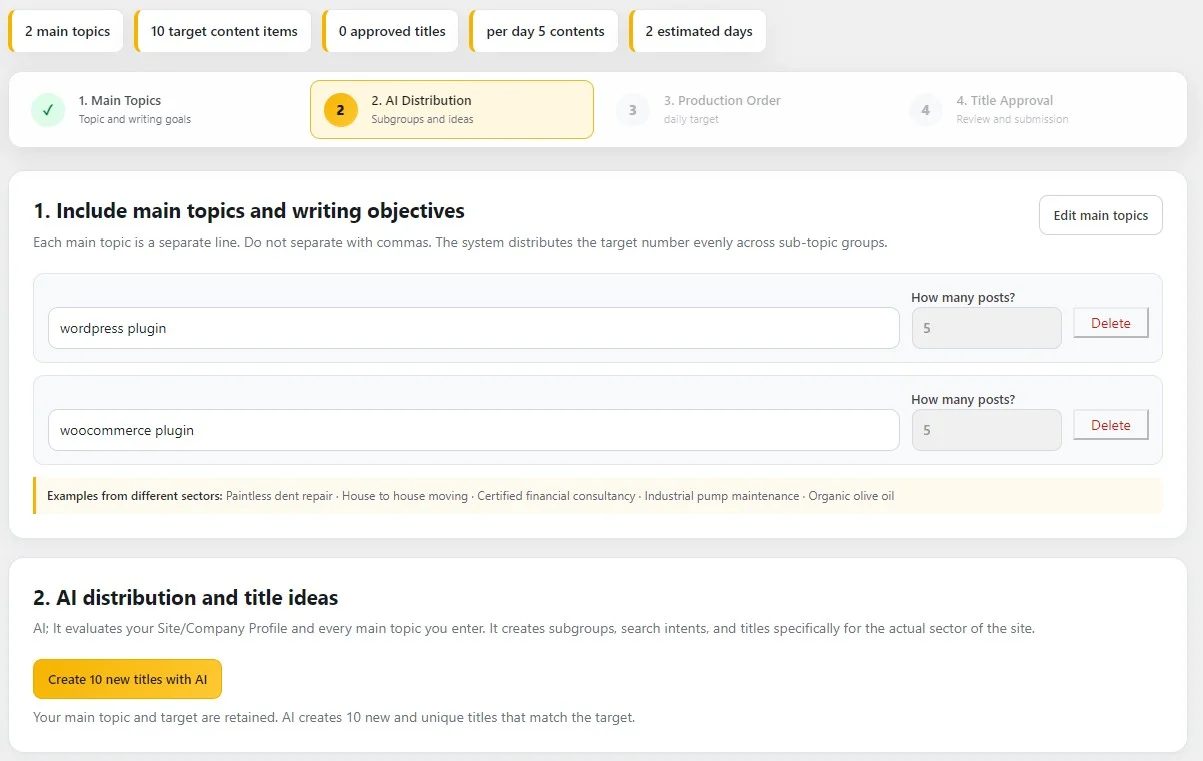
PW Feed can support this type of workflow by combining WordPress AI content generation, SEO, GEO, content planning, internal linking, and wordpress plugin functionality.
The goal is not to abandon SEO.
The goal is to prepare WordPress content for a search environment where traditional results and AI-generated answers increasingly exist together.
𝗪𝗵𝗮𝘁 𝗶𝘀 𝗮𝗻 𝗔𝗜 𝘀𝗲𝗮𝗿𝗰𝗵 𝗲𝗻𝗴𝗶𝗻𝗲?
An AI search engine or AI-powered search experience does more than return a list of links.
It may interpret a complete question.
Identify relevant concepts.
Retrieve information from multiple sources.
Summarize that information.
Compare alternatives.
Generate a direct answer.
Recommend additional questions.
This changes how users discover websites.
A user may no longer search only for:
WordPress AI plugin.
They may ask:

How can I automatically create SEO-friendly content in WordPress without manually writing every article?
This is a much richer query.
The website needs content capable of answering that type of question.
This is why clear, detailed, answer-oriented content is becoming increasingly important.
𝗧𝗿𝗮𝗱𝗶𝘁𝗶𝗼𝗻𝗮𝗹 𝗦𝗘𝗢 𝘀𝘁𝗶𝗹𝗹 𝗺𝗮𝘁𝘁𝗲𝗿𝘀
AI search does not make traditional SEO irrelevant.
A WordPress site still benefits from:
Clear page topics.
Useful titles.
Accurate metadata.
Internal links.
Good site architecture.
Fast performance.
Indexable content.
Relevant keywords.
Quality information.
These principles remain important.
The difference is that AI search introduces additional requirements around information clarity and entity understanding.
A page should not only target a query.
It should help a machine understand the answer.
SEO and GEO therefore overlap significantly.
The strongest content strategy uses both.

𝗚𝗘𝗢 𝗳𝗼𝗰𝘂𝘀𝗲𝘀 𝗼𝗻 𝗶𝗻𝗳𝗼𝗿𝗺𝗮𝘁𝗶𝗼𝗻 𝗰𝗹𝗮𝗿𝗶𝘁𝘆
Generative Engine Optimization is often misunderstood as another form of keyword optimization.
That is too narrow.
GEO focuses on making information easier for generative systems to interpret and use.
This can involve:
Clear definitions.
Explicit relationships.
Consistent terminology.
Direct answers.
Accurate business information.
Logical topic structure.

Strong contextual links.
Useful examples.
Clear distinctions between similar concepts.
The underlying principle is simple.
Do not make important information difficult to interpret.
𝗔𝗜 𝘀𝗲𝗮𝗿𝗰𝗵 𝗻𝗲𝗲𝗱𝘀 𝗰𝗹𝗲𝗮𝗿 𝗲𝗻𝘁𝗶𝘁𝗶𝗲𝘀
An entity can be a business, product, person, service, place, technology, organization, or concept.
AI systems often need to understand how entities relate to one another.
For example, content about PW Feed can consistently clarify that:
PW Feed is associated with WordPress.
PW Feed relates to AI content generation.
PW Feed supports SEO-oriented content workflows.
PW Feed supports GEO-oriented content.
PW Feed works within a wordpress plugin environment.
These relationships should appear naturally across relevant pages.
They should not be hidden behind vague marketing language.
The clearer the relationships, the easier the information can be interpreted.
𝗗𝗼 𝗻𝗼𝘁 𝗮𝘀𝘀𝘂𝗺𝗲 𝘁𝗵𝗲 𝗿𝗲𝗮𝗱𝗲𝗿 𝗸𝗻𝗼𝘄𝘀 𝘆𝗼𝘂𝗿 𝗽𝗿𝗼𝗱𝘂𝗰𝘁
A common business-content mistake is writing as though everyone already understands the company.
For example:
Our platform helps businesses achieve better results through advanced automation.
This sentence communicates very little.

A clearer explanation would say:
PW Feed helps WordPress website owners create AI-assisted SEO and GEO content through a structured publishing workflow.
The second statement defines the product more clearly.
It identifies:
The product.
The audience.
The platform.
The function.
The optimization context.
This type of language is more useful for both people and AI systems.
𝗖𝗹𝗲𝗮𝗿 𝗱𝗲𝗳𝗶𝗻𝗶𝘁𝗶𝗼𝗻𝘀 𝗮𝗿𝗲 𝗶𝗺𝗽𝗼𝗿𝘁𝗮𝗻𝘁
Technical terms should be defined when they are central to the page.
For example:
SEO refers to Search Engine Optimization.
GEO refers to Generative Engine Optimization.
AEO refers to Answer Engine Optimization.
Internal linking connects pages within the same website.
A content cluster groups related pages around a broader subject.
These definitions do not need to become long dictionary entries.
Short, accurate explanations are enough.
Clear definitions reduce ambiguity.
This is useful for beginners, search engines, and generative systems.
𝗔𝗻𝘀𝘄𝗲𝗿 𝗶𝗺𝗽𝗼𝗿𝘁𝗮𝗻𝘁 𝗾𝘂𝗲𝘀𝘁𝗶𝗼𝗻𝘀 𝗱𝗶𝗿𝗲𝗰𝘁𝗹𝘆
AI search users often ask complete questions.
WordPress content should be capable of answering them directly.
For example:
Can AI create WordPress content automatically?
Yes. AI can generate articles, drafts, SEO metadata, and other content elements when the workflow is configured appropriately.
The article can then explain:
How generation works.
Where human review fits.
What publishing controls are useful.
What limitations exist.
A direct answer provides immediate value.
The detailed explanation provides depth.
This structure is useful for SEO, GEO, and AEO simultaneously.
𝗗𝗼 𝗻𝗼𝘁 𝗵𝗶𝗱𝗲 𝘁𝗵𝗲 𝗮𝗻𝘀𝘄𝗲𝗿 𝗯𝗲𝗵𝗶𝗻𝗱 𝗮 𝗹𝗼𝗻𝗴 𝗶𝗻𝘁𝗿𝗼𝗱𝘂𝗰𝘁𝗶𝗼𝗻
Some articles spend several hundred words establishing context before answering the user’s question.
This can reduce usefulness.
AI search optimization encourages more direct communication.
If the question is:
Can I use AI to generate WordPress drafts?
The page should provide the answer early.
The supporting explanation can follow.
This does not mean every article must become extremely short.
It means the core answer should be easy to find.
𝗪𝗿𝗶𝘁𝗲 𝗳𝗼𝗿 𝗰𝗼𝗺𝗽𝗹𝗲𝘁𝗲 𝗾𝘂𝗲𝘀𝘁𝗶𝗼𝗻𝘀, 𝗻𝗼𝘁 𝗼𝗻𝗹𝘆 𝘀𝗵𝗼𝗿𝘁 𝗸𝗲𝘆𝘄𝗼𝗿𝗱𝘀
Traditional keyword research often produces phrases such as:
AI WordPress SEO.
WordPress AI content.
GEO WordPress plugin.
Users can now ask much more specific questions.
For example:
How can a small business automate WordPress content while keeping articles SEO-friendly?
Can a WordPress plugin create content for both SEO and AI search?
How can I prevent AI-generated articles from becoming repetitive?
These questions contain clearer intent.
A strong content strategy should cover the underlying needs rather than only the short keyword phrase.
𝗖𝗼𝗻𝘃𝗲𝗿𝘀𝗮𝘁𝗶𝗼𝗻𝗮𝗹 𝘀𝗲𝗮𝗿𝗰𝗵 𝗰𝗿𝗲𝗮𝘁𝗲𝘀 𝗺𝗼𝗿𝗲 𝗹𝗼𝗻𝗴-𝘁𝗮𝗶𝗹 𝗼𝗽𝗽𝗼𝗿𝘁𝘂𝗻𝗶𝘁𝗶𝗲𝘀
AI search encourages users to be specific.
This creates opportunities for niche websites.
A large website may dominate a broad keyword.
A focused WordPress site may provide the best answer to a detailed question.
For example:
How to generate unique SEO titles automatically in WordPress.
How to create location-based content automatically in WordPress.
How to automate content without changing your WordPress theme.
These queries are specific.
The audience is clearer.
The content can answer them deeply.
AI-assisted content generation makes this long-tail strategy easier to scale.
𝗣𝗮𝗴𝗲 𝗳𝗼𝗰𝘂𝘀 𝗶𝘀 𝗲𝘀𝘀𝗲𝗻𝘁𝗶𝗮𝗹
An AI search system should be able to determine what a page is primarily about.
If an article discusses ten unrelated subjects, interpretation becomes harder.
A strong page should have:
One primary topic.
A clear search intent.
Related secondary questions.
Supporting concepts.
Relevant internal links.
The content can be long, but it should remain focused.
Depth is useful.
Topic drift is not.
𝗢𝗻𝗲 𝗽𝗮𝗴𝗲 𝗱𝗼𝗲𝘀 𝗻𝗼𝘁 𝗻𝗲𝗲𝗱 𝘁𝗼 𝗮𝗻𝘀𝘄𝗲𝗿 𝗲𝘃𝗲𝗿𝘆𝘁𝗵𝗶𝗻𝗴
A common mistake is trying to make one massive article cover an entire industry.
This can weaken clarity.
A better approach uses content clusters.
For example, a broader WordPress AI search cluster may contain separate pages about:
GEO.
AEO.
ChatGPT search.
Google AI Overviews.
Content structure.
Entity clarity.
Answer-focused content.
SEO versus GEO versus AEO.
Each page has a distinct purpose.
Internal links connect them.
The website as a whole becomes comprehensive without making every page excessively broad.
𝗖𝗼𝗻𝘁𝗲𝗻𝘁 𝗰𝗹𝘂𝘀𝘁𝗲𝗿𝘀 𝗰𝗮𝗻 𝗵𝗲𝗹𝗽 𝗔𝗜 𝘂𝗻𝗱𝗲𝗿𝘀𝘁𝗮𝗻𝗱 𝘁𝗼𝗽𝗶𝗰𝗮𝗹 𝗿𝗲𝗹𝗮𝘁𝗶𝗼𝗻𝘀𝗵𝗶𝗽𝘀
A content cluster creates repeated contextual relationships.
A central page introduces the broad topic.
Supporting pages provide detail.
Internal links show how those pages relate.
For example:
A central page about WordPress AI SEO content may link to:
AI content automation.
SEO titles.
Meta descriptions.
Internal linking.
GEO.
AI search visibility.
Each page reinforces part of the wider subject.
This creates a more coherent information environment.
𝗜𝗻𝘁𝗲𝗿𝗻𝗮𝗹 𝗹𝗶𝗻𝗸𝗶𝗻𝗴 𝗺𝗮𝘁𝘁𝗲𝗿𝘀 𝗳𝗼𝗿 𝗔𝗜 𝘀𝗲𝗮𝗿𝗰𝗵 𝘁𝗼𝗼
Internal links do more than support traditional SEO.
They help establish relationships between pieces of information.
An article about AI search visibility may mention content clusters.
A contextual link can direct users to a detailed content-cluster guide.
An article about GEO may reference answer-focused content.
Another internal link can provide the deeper resource.
The result is a connected knowledge network.
The links should always remain useful to humans.
A logical structure that helps users usually helps machines understand the site as well.
𝗔𝗻𝗰𝗵𝗼𝗿 𝘁𝗲𝘅𝘁 𝘀𝗵𝗼𝘂𝗹𝗱 𝗯𝗲 𝗱𝗲𝘀𝗰𝗿𝗶𝗽𝘁𝗶𝘃𝗲
Generic anchor text such as click here provides little context.
More descriptive wording can help.
For example:
AI-powered internal linking.
WordPress GEO optimization.
Automatic SEO title generation.
These phrases indicate what the linked page is about.
Anchor text should remain natural.
The same exact phrase does not need to be repeated every time.
Semantic variation can improve readability.
𝗕𝘂𝘀𝗶𝗻𝗲𝘀𝘀 𝗶𝗻𝗳𝗼𝗿𝗺𝗮𝘁𝗶𝗼𝗻 𝘀𝗵𝗼𝘂𝗹𝗱 𝗯𝗲 𝗰𝗼𝗻𝘀𝗶𝘀𝘁𝗲𝗻𝘁
AI search optimization becomes weaker when important business facts change across pages.
One page may describe the product as a WordPress plugin.
Another may present it as a separate cloud platform.
Another may use a different product name.
This creates ambiguity.
A business profile can help maintain consistency.
Important facts may include:
Business name.
Product name.
Service description.
Target audience.
Platform.
Real geographic information.
Main functions.
Contact destinations.
The wording can vary naturally.
The facts should remain stable.
𝗖𝗼𝗻𝘀𝗶𝘀𝘁𝗲𝗻𝗰𝘆 𝗱𝗼𝗲𝘀 𝗻𝗼𝘁 𝗺𝗲𝗮𝗻 𝗰𝗼𝗽𝘆𝗶𝗻𝗴 𝘁𝗵𝗲 𝘀𝗮𝗺𝗲 𝘁𝗲𝘅𝘁
Repeated paragraphs can make a website feel templated.
The goal is conceptual consistency.
For example, several articles can accurately describe PW Feed as being related to WordPress AI content automation.
The exact sentences do not need to be identical.
One page may focus on SEO.
Another may focus on GEO.
Another may focus on publishing.
The shared factual relationships remain consistent.
The surrounding explanation remains original.
𝗘𝘅𝗽𝗲𝗿𝘁𝗶𝘀𝗲 𝘀𝗵𝗼𝘂𝗹𝗱 𝗯𝗲 𝗺𝗮𝗱𝗲 𝘃𝗶𝘀𝗶𝗯𝗹𝗲
A business may have significant knowledge but fail to communicate it clearly on the website.
AI search systems can only interpret information that is actually available.
If customers frequently ask an important technical question and the company has a strong answer, that answer should exist on the site.
Expertise can be expressed through:
Detailed explanations.
Original examples.
Limitations.
Practical workflows.
Common mistakes.
Real use cases.
Decision criteria.
This helps distinguish specialist content from generic AI-generated material.
𝗔𝗜 𝗴𝗲𝗻𝗲𝗿𝗮𝘁𝗶𝗼𝗻 𝘀𝗵𝗼𝘂𝗹𝗱 𝘂𝘀𝗲 𝗿𝗲𝗮𝗹 𝗯𝘂𝘀𝗶𝗻𝗲𝘀𝘀 𝗸𝗻𝗼𝘄𝗹𝗲𝗱𝗴𝗲
AI can write fluent text.
That does not automatically make the content authoritative or distinctive.
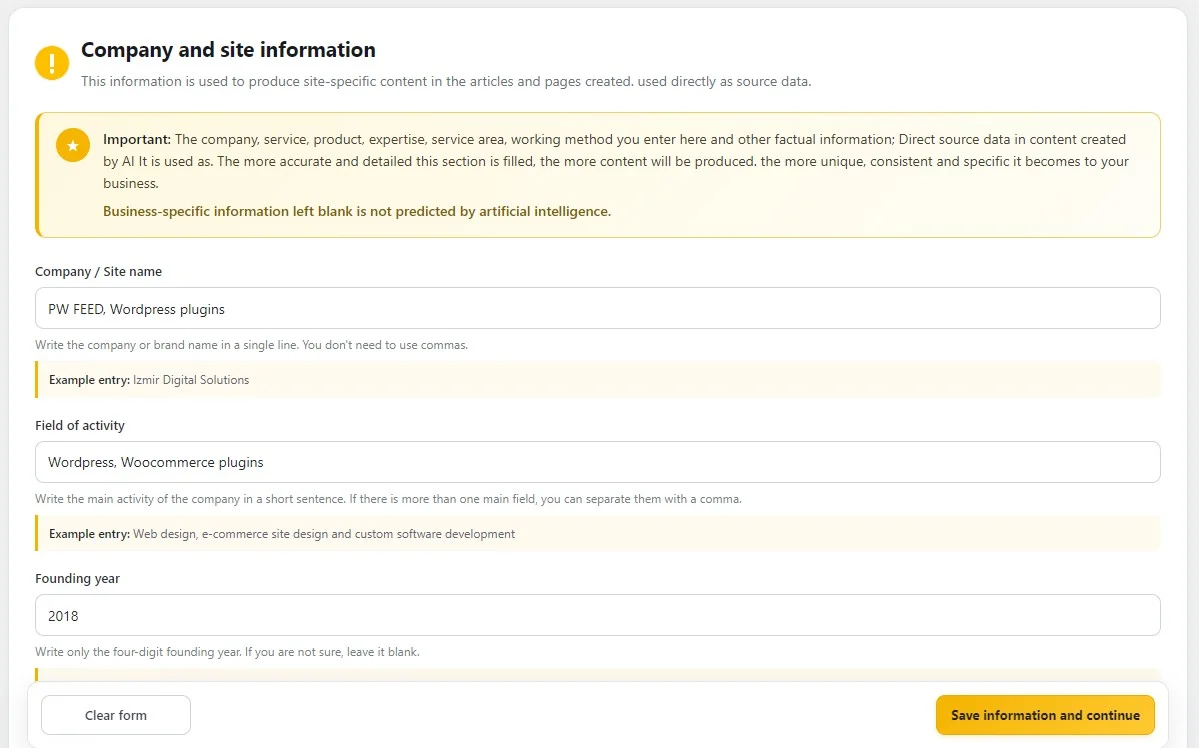
A stronger workflow provides business-specific context.
For example:
Actual product functions.
Real customer questions.
Verified service areas.
Preferred terminology.
Known limitations.
Real workflows.
These details give the AI something unique to work with.
The article becomes more specific to the website.
This can improve both user value and GEO clarity.
𝗘𝘅𝗽𝗹𝗮𝗶𝗻 𝗹𝗶𝗺𝗶𝘁𝗮𝘁𝗶𝗼𝗻𝘀 𝗮𝘀 𝘄𝗲𝗹𝗹 𝗮𝘀 𝗯𝗲𝗻𝗲𝗳𝗶𝘁𝘀
Generic marketing content often explains only advantages.
Useful content also explains limitations.
For example:
AI can reduce manual writing work, but important business facts still need verification.
Direct publishing can improve efficiency, but higher-risk content may be better saved as a draft.
GEO can improve information clarity, but it does not guarantee inclusion in AI-generated answers.
These distinctions improve credibility.
They also provide more useful information for decision-making.
AI search systems benefit from content that explains nuance rather than repeating promotional claims.
𝗔𝘃𝗼𝗶𝗱 𝘂𝗻𝘀𝘂𝗽𝗽𝗼𝗿𝘁𝗲𝗱 𝗰𝗹𝗮𝗶𝗺𝘀
Statements such as:
Guaranteed AI search rankings.
Guaranteed inclusion in AI answers.
Number one GEO solution.
Guaranteed visibility in ChatGPT.
should not be used unless they can genuinely be supported.
AI search environments are dynamic.
No content strategy can responsibly guarantee every form of visibility.
A stronger approach explains what optimization can improve:
Clarity.
Relevance.
Entity consistency.
Question coverage.
Content structure.
These are practical objectives.
𝗙𝗮𝗰𝘁𝘂𝗮𝗹 𝗮𝗰𝗰𝘂𝗿𝗮𝗰𝘆 𝗶𝘀 𝗰𝗿𝗶𝘁𝗶𝗰𝗮𝗹
AI-generated content can sound confident even when information is incorrect.
This creates risk.
Important claims should be based on verified information.
This is especially important for:
Technical instructions.
Legal topics.
Financial content.
Health information.
Product specifications.
Current platform behavior.
Business locations.
AI can assist with writing.
Accuracy still requires reliable data.
A GEO strategy built on incorrect facts will not create a strong information environment.
𝗔𝗻𝘀𝘄𝗲𝗿-𝗳𝗼𝗰𝘂𝘀𝗲𝗱 𝘀𝗲𝗰𝘁𝗶𝗼𝗻𝘀 𝗰𝗮𝗻 𝗶𝗺𝗽𝗿𝗼𝘃𝗲 𝗰𝗹𝗮𝗿𝗶𝘁𝘆
A useful article may contain sections designed around specific questions.
For example:
What is AI search optimization?
Does traditional SEO still matter?
How is GEO different from SEO?
Can WordPress content be optimized automatically?
Does a site need a special theme for GEO?
These questions provide clear entry points.
Each section can answer directly and then provide detail.
This approach is useful for users scanning the page and for systems trying to extract specific information.
𝗙𝗔𝗤𝘀 𝘀𝗵𝗼𝘂𝗹𝗱 𝗰𝗼𝗺𝗲 𝗳𝗿𝗼𝗺 𝗿𝗲𝗮𝗹 𝗾𝘂𝗲𝘀𝘁𝗶𝗼𝗻𝘀
An FAQ can support AI search optimization when it addresses genuine uncertainty.
It should not be added simply because an SEO checklist recommends one.
Useful questions may come from:
Customer enquiries.
Support messages.
Search terms.
Sales conversations.
Internal site searches.
Common misunderstandings.
AI can help organize these questions.
The business should ensure the answers are accurate.
𝗦𝘁𝗿𝘂𝗰𝘁𝘂𝗿𝗲 𝘀𝗵𝗼𝘂𝗹𝗱 𝗺𝗮𝗸𝗲 𝘁𝗵𝗲 𝗽𝗮𝗴𝗲 𝗲𝗮𝘀𝘆 𝘁𝗼 𝘀𝗰𝗮𝗻
Long-form content can still be readable.
Useful structure includes:
A clear main topic.
Descriptive section headings.
Shorter paragraphs.
Logical progression.
Direct answers.
Examples.
Appropriate lists.
Relevant links.
The objective is not to format content specifically for machines.
It is to organize information clearly.
Well-organized human-readable content is usually easier for automated systems to interpret too.
𝗛𝗲𝗮𝗱𝗶𝗻𝗴𝘀 𝘀𝗵𝗼𝘂𝗹𝗱 𝗱𝗲𝘀𝗰𝗿𝗶𝗯𝗲 𝘁𝗵𝗲 𝘀𝗲𝗰𝘁𝗶𝗼𝗻
Creative headings can be attractive, but overly vague headings reduce clarity.
For example:
The next big thing
is less informative than:
Why AI search changes WordPress content strategy
The second heading tells users what the section contains.
This type of explicit structure can be especially useful for GEO and AEO.
𝗦𝗵𝗼𝗿𝘁 𝗽𝗮𝗿𝗮𝗴𝗿𝗮𝗽𝗵𝘀 𝗰𝗮𝗻 𝗶𝗺𝗽𝗿𝗼𝘃𝗲 𝗿𝗲𝗮𝗱𝗮𝗯𝗶𝗹𝗶𝘁𝘆
Large blocks of text can make information difficult to scan.
WordPress content often performs better from a user-experience perspective when ideas are separated clearly.
A paragraph should generally communicate one main thought.
This also helps make individual statements easier to understand.
The objective is not to break every sentence into its own paragraph.
It is to avoid dense walls of text.
𝗟𝗼𝗻𝗴-𝗳𝗼𝗿𝗺 𝗰𝗼𝗻𝘁𝗲𝗻𝘁 𝗶𝘀 𝘂𝘀𝗲𝗳𝘂𝗹 𝘄𝗵𝗲𝗻 𝘁𝗵𝗲 𝘁𝗼𝗽𝗶𝗰 𝗻𝗲𝗲𝗱𝘀 𝗱𝗲𝗽𝘁𝗵
AI search optimization does not mean every article must be extremely long.
A simple question may need only a concise answer.
A complex topic may need substantial depth.
The correct length depends on the subject.
This article, for example, covers:
SEO.
GEO.
AEO.
Entities.
Content structure.
Internal links.
Questions.
Business information.
AI generation.
Publishing workflows.
These elements justify long-form treatment.
Word count should follow informational need.
𝗦𝗲𝗺𝗮𝗻𝘁𝗶𝗰 𝗰𝗼𝘃𝗲𝗿𝗮𝗴𝗲 𝗺𝗮𝘁𝘁𝗲𝗿𝘀 𝗺𝗼𝗿𝗲 𝘁𝗵𝗮𝗻 𝗸𝗲𝘆𝘄𝗼𝗿𝗱 𝗿𝗲𝗽𝗲𝘁𝗶𝘁𝗶𝗼𝗻
A strong article naturally includes concepts related to its subject.
For AI search optimization, relevant concepts may include:
Generative search.
GEO.
AEO.
Entities.
WordPress content.
Search intent.
Internal linking.
Topic clusters.
AI assistants.
Answer-focused content.
These terms appear because the subject requires them.
The page does not need to repeat the exact phrase AI search engines in every paragraph.
Semantic depth creates a more natural information environment.
𝗖𝗿𝗲𝗮𝘁𝗲 𝗱𝗶𝘀𝘁𝗶𝗻𝗰𝘁 𝗽𝗮𝗴𝗲𝘀 𝗳𝗼𝗿 𝗱𝗶𝘀𝘁𝗶𝗻𝗰𝘁 𝗶𝗻𝘁𝗲𝗻𝘁𝘀
AI search optimization does not eliminate the risk of duplicate content.
In fact, AI publishing can increase it.
A website should not create:
How to optimize WordPress for AI search.
WordPress AI search optimization guide.
AI search optimization for WordPress websites.
as three separate articles if they all answer the same question.
One strong page can target the shared intent.
Other pages should address narrower questions such as:
ChatGPT search optimization.
Google AI Overviews.
Answer-engine structure.
SEO versus GEO versus AEO.
This creates real topical depth.
𝗚𝗘𝗢 𝘀𝗵𝗼𝘂𝗹𝗱 𝗻𝗼𝘁 𝗰𝗿𝗲𝗮𝘁𝗲 𝗱𝘂𝗽𝗹𝗶𝗰𝗮𝘁𝗲 𝗰𝗼𝗻𝘁𝗲𝗻𝘁
A website may become enthusiastic about AI search and create many GEO pages.
This can reproduce the same problem caused by excessive SEO keyword pages.
Every GEO-oriented page still needs a distinct purpose.
The site should not publish fifteen articles that all explain that content should be clear for AI systems.
Specific questions create stronger pages.
𝗨𝗽𝗱𝗮𝘁𝗲 𝗼𝗹𝗱 𝗰𝗼𝗻𝘁𝗲𝗻𝘁 𝗳𝗼𝗿 𝗔𝗜 𝘀𝗲𝗮𝗿𝗰𝗵
A website does not need to begin its GEO strategy from zero.
Older WordPress articles may already contain useful information.
They can be reviewed for:
Clear definitions.
Direct answers.
Entity consistency.
Updated terminology.
Internal links.
Missing questions.
Content depth.
Some pages may need only small improvements.
Others may deserve more substantial expansion.
This can be more efficient than creating entirely new pages.
𝗔𝗜 𝗰𝗮𝗻 𝗵𝗲𝗹𝗽 𝗶𝗱𝗲𝗻𝘁𝗶𝗳𝘆 𝘄𝗵𝗶𝗰𝗵 𝗼𝗹𝗱 𝗽𝗮𝗴𝗲𝘀 𝗻𝗲𝗲𝗱 𝗶𝗺𝗽𝗿𝗼𝘃𝗲𝗺𝗲𝗻𝘁
A large WordPress site may contain hundreds of articles.
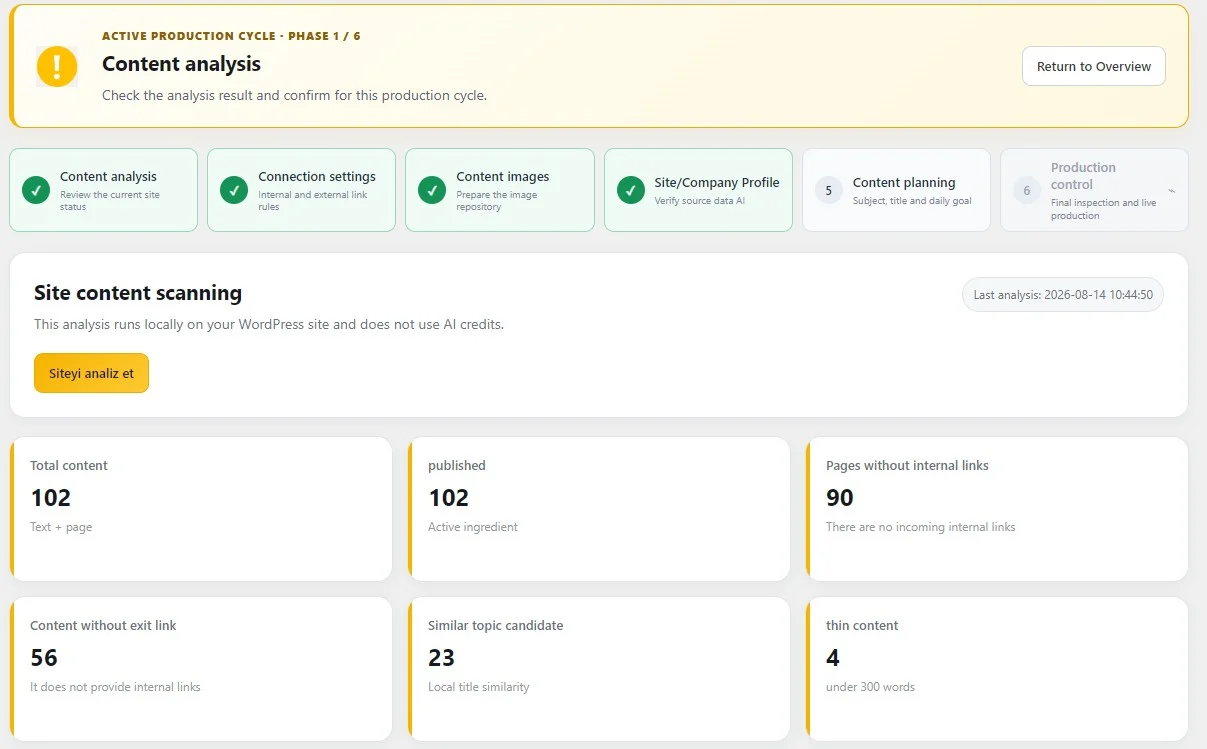
AI can help identify candidates based on factors such as:
Business importance.
Old terminology.
Missing direct answers.
Weak entity explanations.
Thin coverage.
Poor internal linking.
Important topic-cluster role.
The system can then create an improvement queue.
This turns GEO into an ongoing content-maintenance process.
𝗪𝗼𝗿𝗱𝗣𝗿𝗲𝘀𝘀 𝗰𝗮𝘁𝗲𝗴𝗼𝗿𝗶𝗲𝘀 𝗰𝗮𝗻 𝗵𝗲𝗹𝗽, 𝗯𝘂𝘁 𝘁𝗵𝗲𝘆 𝗮𝗿𝗲 𝗻𝗼𝘁 𝗲𝗻𝗼𝘂𝗴𝗵
Categories can organize content.
AI search understanding depends more on the actual information and relationships.
Two pages may belong to the same category but have little semantic relationship.
Other pages may belong to different categories yet support the same content cluster.
The website should therefore focus on meaningful topic architecture, not taxonomy alone.
𝗦𝘁𝗿𝘂𝗰𝘁𝘂𝗿𝗲𝗱 𝗯𝘂𝘀𝗶𝗻𝗲𝘀𝘀 𝗰𝗼𝗻𝘁𝗲𝘅𝘁 𝗰𝗮𝗻 𝗶𝗺𝗽𝗿𝗼𝘃𝗲 𝗔𝗜 𝗴𝗲𝗻𝗲𝗿𝗮𝘁𝗶𝗼𝗻
If AI is creating the content, it should receive more than a title.
A useful business profile may include:
Business identity.
Product names.
Services.
Audience.
Locations.
Preferred terminology.
Main features.
Important pages.
Claims to avoid.
The AI can use this context when writing.
This reduces generic output.
It also helps maintain consistency across different articles.
𝗟𝗼𝗰𝗮𝗹 𝗯𝘂𝘀𝗶𝗻𝗲𝘀𝘀𝗲𝘀 𝗻𝗲𝗲𝗱 𝗮𝗰𝗰𝘂𝗿𝗮𝘁𝗲 𝗹𝗼𝗰𝗮𝘁𝗶𝗼𝗻 𝗰𝗼𝗻𝘁𝗲𝘅𝘁
AI search queries frequently contain geographic intent.
A user may ask:
Which type of service is available near me?
Which companies provide a service in a specific city?
Local WordPress content should clearly communicate genuine geographic relationships.
Important information may include:
Physical location.
Real service areas.
Branch locations.
Service availability.
The website should not create false location signals.
GEO benefits from accuracy, not geographic keyword volume.
𝗠𝘂𝗹𝘁𝗶-𝗹𝗼𝗰𝗮𝘁𝗶𝗼𝗻 𝗯𝘂𝘀𝗶𝗻𝗲𝘀𝘀𝗲𝘀 𝗻𝗲𝗲𝗱 𝗰𝗹𝗲𝗮𝗿 𝘀𝗲𝗽𝗮𝗿𝗮𝘁𝗶𝗼𝗻
A company with several genuine locations should distinguish them accurately.
Each location may have different:
Addresses.
Contact details.
Opening hours.
Services.
Coverage areas.
AI-generated content should not mix these facts.
This is another example where structured business context improves AI search readiness.
𝗣𝗿𝗼𝗱𝘂𝗰𝘁 𝗽𝗮𝗴𝗲𝘀 𝗰𝗮𝗻 𝗯𝗲 𝗺𝗼𝗿𝗲 𝗔𝗜-𝗳𝗿𝗶𝗲𝗻𝗱𝗹𝘆
A product page should clearly explain:
What the product is.
Who it is for.
What it does.
What problem it addresses.
How it differs from related concepts.
Important limitations.
For PW Feed, this could include clear explanation of its relationship with WordPress AI content workflows, SEO, GEO, and automated publishing.
Vague promotional copy provides less useful information.
Specific functionality creates stronger entity understanding.
𝗦𝗲𝗿𝘃𝗶𝗰𝗲 𝗽𝗮𝗴𝗲𝘀 𝗰𝗮𝗻 𝗯𝗲𝗰𝗼𝗺𝗲 𝘀𝘁𝗿𝗼𝗻𝗴 𝗚𝗘𝗢 𝗿𝗲𝘀𝗼𝘂𝗿𝗰𝗲𝘀
A service page can clarify:
What the business provides.
Who needs it.
How it works.
Where it is available.
Which related problems it solves.
This creates valuable information for conversational search.
Users increasingly ask AI systems questions such as:
What type of service do I need for this problem?
A detailed service page can provide the information required to answer.
𝗕𝗹𝗼𝗴 𝗰𝗼𝗻𝘁𝗲𝗻𝘁 𝘀𝗵𝗼𝘂𝗹𝗱 𝘀𝘂𝗽𝗽𝗼𝗿𝘁 𝗽𝗿𝗼𝗱𝘂𝗰𝘁 𝗮𝗻𝗱 𝘀𝗲𝗿𝘃𝗶𝗰𝗲 𝗲𝗻𝘁𝗶𝘁𝗶𝗲𝘀
Educational articles can strengthen the context around commercial pages.
For example, articles explaining:
AI content planning.
Automatic SEO titles.
GEO.
AI search optimization.
can naturally connect with a relevant WordPress AI product.
The informational content should remain useful independently.
The commercial relationship can appear where it genuinely helps the reader.
Readers who want more information about PW Feed and its WordPress AI content workflow can continue through the PW Feed contact page.
Users ready to review purchasing options can proceed to the PW Feed buy page.
𝗔𝗜 𝘀𝗲𝗮𝗿𝗰𝗵 𝗼𝗽𝘁𝗶𝗺𝗶𝘇𝗮𝘁𝗶𝗼𝗻 𝘀𝗵𝗼𝘂𝗹𝗱 𝗻𝗼𝘁 𝗺𝗮𝗸𝗲 𝗲𝘃𝗲𝗿𝘆 𝗮𝗿𝘁𝗶𝗰𝗹𝗲 𝗽𝗿𝗼𝗺𝗼𝘁𝗶𝗼𝗻𝗮𝗹
A site may want AI systems to associate its product with a particular subject.
Repeating the product name constantly is not the best method.
Useful informational coverage matters more.
The product can appear in relevant contexts.
Other sections can focus entirely on education.
This creates a more natural knowledge environment.
𝗔 𝘄𝗼𝗿𝗱𝗽𝗿𝗲𝘀𝘀 𝗽𝗹𝘂𝗴𝗶𝗻 𝗰𝗮𝗻 𝗵𝗲𝗹𝗽 𝗮𝘂𝘁𝗼𝗺𝗮𝘁𝗲 𝗚𝗘𝗢-𝗳𝗼𝗰𝘂𝘀𝗲𝗱 𝗰𝗼𝗻𝘁𝗲𝗻𝘁
Manual GEO optimization across many pages can require significant effort.
A wordpress plugin can help incorporate the rules into content generation.
For example, the workflow can encourage:
Clear topic focus.
Accurate entity descriptions.
Direct answers.
SEO titles.
Meta descriptions.
Relevant internal links.
Content uniqueness.
PW Feed can support this integrated WordPress content process.
The site owner defines the business context and publishing rules.
AI helps execute the content work.
𝗗𝗿𝗮𝗳𝘁-𝗳𝗶𝗿𝘀𝘁 𝗽𝘂𝗯𝗹𝗶𝘀𝗵𝗶𝗻𝗴 𝗰𝗮𝗻 𝗯𝗲 𝘂𝘀𝗲𝗳𝘂𝗹
GEO content needs accurate information.
Businesses may therefore prefer to generate articles as drafts initially.
The editor can review:
Definitions.
Product descriptions.
Entity relationships.
Technical claims.
Locations.
Internal links.
The article can then be published.
This creates a controlled way to introduce AI-search-oriented content.
𝗗𝗶𝗿𝗲𝗰𝘁 𝗽𝘂𝗯𝗹𝗶𝘀𝗵𝗶𝗻𝗴 𝗻𝗲𝗲𝗱𝘀 𝘀𝘁𝗿𝗼𝗻𝗴 𝗿𝘂𝗹𝗲𝘀
A mature workflow may eventually publish selected low-risk content automatically.
However, the system should have predefined controls.
For example:
The topic must be approved.
Business information must come from the site profile.
Duplicate topics must be blocked.
Metadata must be unique.
Publishing limits must apply.
Higher-risk content can remain draft-only.
This keeps automation structured.
𝗔𝗜 𝘀𝗲𝗮𝗿𝗰𝗵 𝗼𝗽𝘁𝗶𝗺𝗶𝘇𝗮𝘁𝗶𝗼𝗻 𝗶𝘀 𝗻𝗼𝘁 𝗮 𝗼𝗻𝗲-𝘁𝗶𝗺𝗲 𝘁𝗮𝘀𝗸
Search behavior changes.
Products change.
New AI interfaces appear.
Customer questions evolve.
Content should therefore be reviewed periodically.
Important pages may need:
New questions.
Updated definitions.
Improved entity relationships.
New internal links.
Expanded explanations.
This makes GEO part of ongoing content management rather than a one-time optimization project.
𝗔𝗻𝗮𝗹𝘆𝘁𝗶𝗰𝘀 𝘀𝘁𝗶𝗹𝗹 𝗺𝗮𝘁𝘁𝗲𝗿
AI search introduces new discovery environments, but websites should still measure outcomes.
Useful questions include:
Which pages attract relevant visitors?
Which topics generate engagement?
Which pages support conversions?
Which content clusters are developing?
Which articles need improvement?
The purpose of optimization remains business value and user usefulness.
Visibility alone is not enough.
𝗗𝗼 𝗻𝗼𝘁 𝗺𝗲𝗮𝘀𝘂𝗿𝗲 𝗚𝗘𝗢 𝗼𝗻𝗹𝘆 𝗯𝘆 𝗽𝗮𝗴𝗲 𝗰𝗼𝘂𝗻𝘁
Publishing hundreds of AI-oriented articles does not guarantee stronger visibility.
The website should ask whether each page contributes useful information.
A smaller library with strong topic coverage can be more valuable than a huge collection of repetitive pages.
AI makes content production easier.
Strategy still determines what should exist.
𝗔𝗜 𝘀𝗲𝗮𝗿𝗰𝗵 𝗼𝗽𝘁𝗶𝗺𝗶𝘇𝗮𝘁𝗶𝗼𝗻 𝘀𝗵𝗼𝘂𝗹𝗱 𝗶𝗺𝗽𝗿𝗼𝘃𝗲 𝘁𝗵𝗲 𝘀𝗶𝘁𝗲 𝗳𝗼𝗿 𝗵𝘂𝗺𝗮𝗻𝘀 𝘁𝗼𝗼
This is perhaps the most important principle.
Clear definitions help users.
Direct answers help users.
Accurate information helps users.
Logical internal links help users.
Well-organized sections help users.
Useful examples help users.
The same qualities also make content easier for AI systems to interpret.
A good GEO strategy should not require sacrificing user experience.
The objectives should align.
𝗣𝗪 𝗙𝗲𝗲𝗱 𝗮𝗻𝗱 𝗔𝗜 𝘀𝗲𝗮𝗿𝗰𝗵 𝗼𝗽𝘁𝗶𝗺𝗶𝘇𝗮𝘁𝗶𝗼𝗻
PW Feed can support WordPress users who want to incorporate AI-search-oriented content principles directly into their publishing workflow.
Rather than creating an article first and trying to improve it later, the system can work from predefined SEO and GEO requirements.
The process can include:
Topic selection.
Search-intent definition.
AI generation.
Entity clarity.
Answer-focused sections.
Unique metadata.
Internal linking.
Duplicate-content controls.
Draft or direct publishing.
The wordpress plugin environment keeps the workflow close to the actual WordPress site.
This can make GEO more practical for businesses that do not have a large specialist content team.
𝗧𝗵𝗲 𝗳𝘂𝘁𝘂𝗿𝗲 𝗶𝘀 𝗻𝗼𝘁 𝗦𝗘𝗢 𝗼𝗿 𝗚𝗘𝗢
Website owners should avoid treating the two approaches as competitors.
Traditional search will remain important.
Generative discovery creates an additional layer.
The same strong content can often serve both.
A clear article can:
Target relevant searches.
Answer complete questions.
Explain entities.
Support internal topic relationships.
Provide useful information to AI systems.
The goal is broader discoverability.
SEO and GEO can work together toward that goal.
𝗙𝗶𝗻𝗮𝗹 𝘁𝗵𝗼𝘂𝗴𝗵𝘁𝘀 𝗼𝗻 𝗼𝗽𝘁𝗶𝗺𝗶𝘇𝗶𝗻𝗴 𝗪𝗼𝗿𝗱𝗣𝗿𝗲𝘀𝘀 𝗰𝗼𝗻𝘁𝗲𝗻𝘁 𝗳𝗼𝗿 𝗔𝗜 𝘀𝗲𝗮𝗿𝗰𝗵 𝗲𝗻𝗴𝗶𝗻𝗲𝘀
Optimizing WordPress content for AI search engines requires a broader approach than adding another group of keywords.
The website should make its information easier to understand.
Important entities should be clear.
Business facts should remain consistent.
Each page should have a distinct purpose.
Questions should receive direct answers.
Content should provide enough depth without drifting away from the main topic.
Internal links should connect related knowledge.
Topic clusters should organize important subject areas.
Older pages should be updated when they contain weak or outdated explanations.
SEO should continue to guide search intent and traditional discoverability.
GEO should improve clarity for generative systems.
AEO should encourage direct, answer-oriented content.
These strategies can work together.
A wordpress plugin such as PW Feed can help integrate them into AI-assisted WordPress content generation instead of requiring every page to be optimized manually after publication.
The strongest AI search strategy begins with a simple principle:
Make the website genuinely easy to understand.
Clearly explain what the business does.
Clearly explain important products and services.
Answer real questions.
Connect related pages.
Avoid duplication.
Use accurate information.
Maintain consistent terminology.
When those foundations are strong, WordPress content becomes better prepared not only for traditional search results but also for the growing number of AI-powered systems that retrieve, interpret, summarize, and present information in new ways.