
AI search visibility for WordPress websites
Search visibility is no longer limited to traditional search-result pages.
WordPress websites can now be discovered through a growing range of AI-powered environments, including generative search experiences, answer engines, conversational assistants, and AI-supported discovery systems.

This creates a broader definition of visibility.
A website may still want strong rankings in traditional search. At the same time, it may also want its information to be understandable enough to appear in AI-generated summaries, answer-oriented interfaces, and conversational recommendations.
This is where AI search visibility becomes important.
AI search visibility refers to how clearly and effectively a website’s information can be discovered, interpreted, connected, and potentially used by AI-powered search and answer systems.
It is not a guaranteed ranking position.
It is not a simple score.
It is not achieved by repeating terms such as AI, GEO, or generative search.
It depends on the overall quality and clarity of the website’s information.
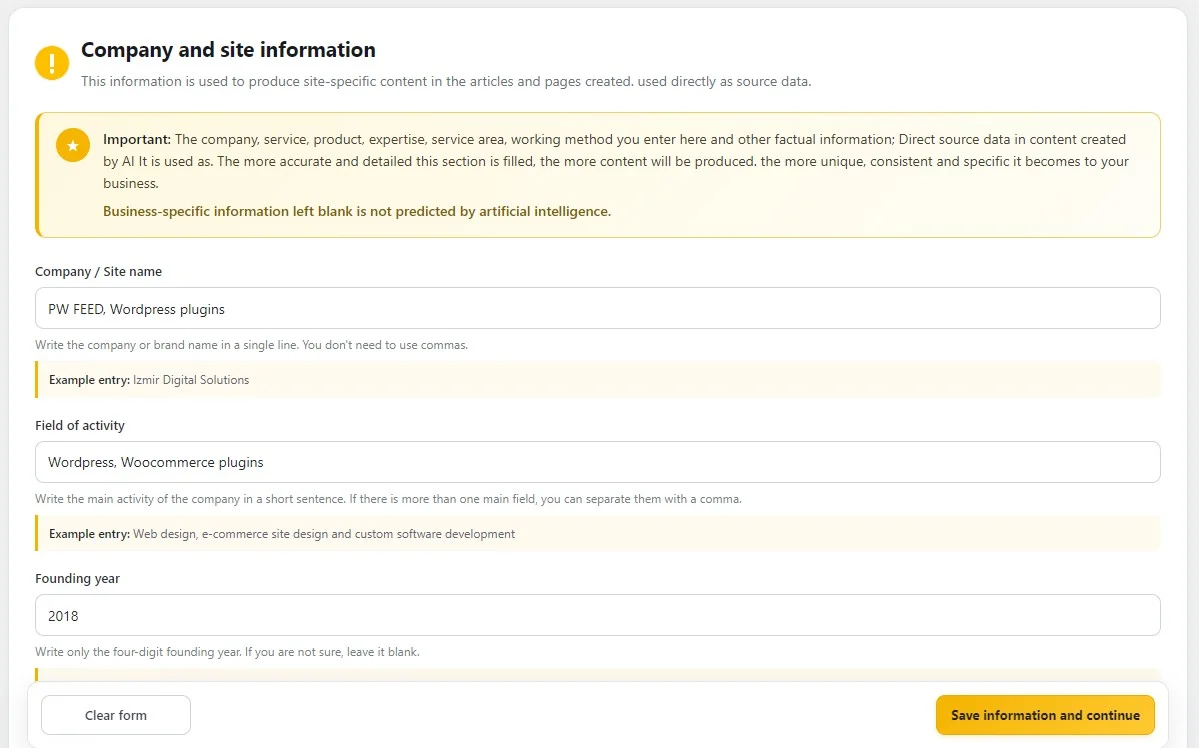
PW Feed can support WordPress website owners who want to build content for both traditional SEO and newer AI-driven search environments by combining AI content generation, SEO, GEO, AEO, topic planning, internal linking, and wordpress plugin functionality.
The objective is to make the website easier to discover and easier to understand at the same time.
𝗪𝗵𝗮𝘁 𝗱𝗼𝗲𝘀 𝗔𝗜 𝘀𝗲𝗮𝗿𝗰𝗵 𝘃𝗶𝘀𝗶𝗯𝗶𝗹𝗶𝘁𝘆 𝗺𝗲𝗮𝗻?
AI search visibility describes the ability of a website’s content to become relevant in AI-powered search and answer experiences.
This may involve situations where an AI system:
Finds a page.
Understands the main topic.
Identifies the business or product.
Extracts a useful answer.
Connects related concepts.
Uses the information as part of a generated response.
Recommends the page for further reading.
The website does not control exactly how every AI system behaves.
What it can control is the quality of its own information.

That includes:
Clarity.
Accuracy.
Topic focus.
Entity consistency.
Internal structure.
Direct answers.
Useful supporting content.
These factors create stronger conditions for discoverability.
𝗔𝗜 𝘀𝗲𝗮𝗿𝗰𝗵 𝘃𝗶𝘀𝗶𝗯𝗶𝗹𝗶𝘁𝘆 𝗶𝘀 𝗻𝗼𝘁 𝘁𝗵𝗲 𝘀𝗮𝗺𝗲 𝗮𝘀 𝘁𝗿𝗮𝗱𝗶𝘁𝗶𝗼𝗻𝗮𝗹 𝗿𝗮𝗻𝗸𝗶𝗻𝗴
Traditional SEO often focuses on position.
For example:
Position 1.
Position 3.
Page 1.
AI search environments may not present content in such a simple ordered list.
A generative response may combine several sources.
An answer engine may summarize a concept without presenting ten blue links.
An AI assistant may recommend one or two relevant pages after answering the question.
This means AI visibility can be less linear.
A page may not have a visible “position” in the traditional sense.
The goal therefore shifts from ranking alone toward information usefulness and retrievability.

𝗦𝗘𝗢 𝘀𝘁𝗶𝗹𝗹 𝗽𝗿𝗼𝘃𝗶𝗱𝗲𝘀 𝘁𝗵𝗲 𝗳𝗼𝘂𝗻𝗱𝗮𝘁𝗶𝗼𝗻
AI search visibility should not be separated completely from SEO.
A WordPress page still benefits from:
Being crawlable.
Being indexable.
Having a clear topic.
Using useful titles.
Providing relevant content.
Receiving internal links.
Having a logical URL and site structure.
Traditional SEO creates the foundation.
GEO and AEO add further layers of clarity.
This is why the strongest strategy is usually:
SEO plus GEO plus AEO.
Not SEO versus GEO.
𝗚𝗘𝗢 𝗵𝗲𝗹𝗽𝘀 𝗔𝗜 𝘀𝘆𝘀𝘁𝗲𝗺𝘀 𝘂𝗻𝗱𝗲𝗿𝘀𝘁𝗮𝗻𝗱 𝘁𝗵𝗲 𝘄𝗲𝗯𝘀𝗶𝘁𝗲
Generative Engine Optimization focuses on making information more understandable in generative environments.
This can include:
Clear definitions.
Consistent entities.
Explicit relationships.
Direct answers.

Accurate descriptions.
Useful content structure.
For example, if a page discusses PW Feed, it should be clear that PW Feed relates to WordPress AI content generation, SEO, GEO, and publishing workflows.
The page should not rely only on vague phrases such as:
Our intelligent platform.
Our advanced solution.
Our innovative technology.
Specific language gives stronger context.
𝗔𝗘𝗢 𝗵𝗲𝗹𝗽𝘀 𝗮𝗻𝘀𝘄𝗲𝗿 𝘀𝘆𝘀𝘁𝗲𝗺𝘀 𝗲𝘅𝘁𝗿𝗮𝗰𝘁 𝘂𝘀𝗲𝗳𝘂𝗹 𝗶𝗻𝗳𝗼𝗿𝗺𝗮𝘁𝗶𝗼𝗻
Answer Engine Optimization focuses on clear responses to questions.
For example:

What is AI search visibility?
AI search visibility is the ability of a website’s information to be discovered, understood, and potentially used in AI-powered search and answer environments.
That direct answer is useful.
The article can then explain the details.
AEO does not mean every page must become an FAQ.
It means important questions should be answered clearly.
This can make the content easier to use in conversational search environments.
𝗖𝗹𝗲𝗮𝗿 𝗲𝗻𝘁𝗶𝘁𝘆 𝗶𝗱𝗲𝗻𝘁𝗶𝘁𝘆 𝗰𝗮𝗻 𝘀𝘂𝗽𝗽𝗼𝗿𝘁 𝘃𝗶𝘀𝗶𝗯𝗶𝗹𝗶𝘁𝘆
AI systems need to understand who or what the page is discussing.
Important entities may include:
The business.
The product.
The service.
The platform.
The location.
The technology.
The audience.
For PW Feed, the website can consistently explain relationships between:
PW Feed.
WordPress.
AI content automation.
SEO.
GEO.
AEO.
Publishing workflows.
wordpress plugin functionality.
These relationships can appear naturally across different pages.
The exact wording can vary.
The underlying facts should remain consistent.
𝗜𝗻𝗰𝗼𝗻𝘀𝗶𝘀𝘁𝗲𝗻𝘁 𝗲𝗻𝘁𝗶𝘁𝘆 𝗱𝗲𝘀𝗰𝗿𝗶𝗽𝘁𝗶𝗼𝗻𝘀 𝗰𝗮𝗻 𝘄𝗲𝗮𝗸𝗲𝗻 𝗰𝗹𝗮𝗿𝗶𝘁𝘆
Suppose one page describes a product as a WordPress plugin.
Another presents it as an external service.
Another uses a completely different name.
This creates ambiguity.
The website should establish a clear primary identity.
Variation can still exist for readability and search coverage.
But AI assistants and human visitors should be able to understand that the pages refer to the same product.
A structured business profile can help maintain this consistency in AI-generated content.
𝗕𝗿𝗮𝗻𝗱 𝗻𝗮𝗺𝗶𝗻𝗴 𝘀𝗵𝗼𝘂𝗹𝗱 𝗯𝗲 𝘀𝘁𝗮𝗯𝗹𝗲
Brand references should not change randomly.
For example, if the official product name is PW Feed, that name should remain recognizable across:
Product pages.
Blog posts.
Service explanations.
Tutorials.
Comparison articles.
Supporting content.
Brand stability helps build entity consistency.
Search systems and AI systems can encounter the same identity across multiple contexts.
This can make the website’s information network easier to interpret.
𝗧𝗵𝗲 𝗵𝗼𝗺𝗲𝗽𝗮𝗴𝗲 𝘀𝗵𝗼𝘂𝗹𝗱 𝗰𝗹𝗲𝗮𝗿𝗹𝘆 𝗲𝘅𝗽𝗹𝗮𝗶𝗻 𝘁𝗵𝗲 𝗯𝘂𝘀𝗶𝗻𝗲𝘀𝘀
The homepage often provides the broadest entity context.
It should answer basic questions.
Who is the business?
What does it provide?
Who is it for?
What problem does it solve?
What platform does it work with?
A homepage filled mainly with slogans can leave these questions unclear.
Clear descriptive language can support both user understanding and AI interpretation.
The homepage does not need to explain every technical detail.
It should establish the main identity.
𝗣𝗿𝗼𝗱𝘂𝗰𝘁 𝗽𝗮𝗴𝗲𝘀 𝘀𝗵𝗼𝘂𝗹𝗱 𝗴𝗼 𝗱𝗲𝗲𝗽𝗲𝗿
A product page can provide more specific context.
Useful information may include:
Product name.
Product category.
Platform.
Main functions.
Target users.
Important features.
Limitations.
Typical workflows.
Related resources.
For a WordPress AI product, this could include explanations of:
AI-generated content.
SEO.
GEO.
Draft creation.
Automatic publishing.
Internal linking.
Content planning.
This gives generative systems richer product information.
𝗦𝗲𝗿𝘃𝗶𝗰𝗲 𝗽𝗮𝗴𝗲𝘀 𝘀𝗵𝗼𝘂𝗹𝗱 𝗯𝗲 𝗲𝗾𝘂𝗮𝗹𝗹𝘆 𝗰𝗹𝗲𝗮𝗿
Service businesses can improve AI search visibility by clearly explaining:
What the service is.
Who needs it.
How it works.
Where it is available.
What problems it addresses.
What customers should expect.
This information can support questions such as:
What type of service solves this problem?
Which business provides this service?
Is this service available in my location?
Generative systems need clear service relationships.
Vague promotional text provides less usable information.
𝗕𝗹𝗼𝗴 𝗮𝗿𝘁𝗶𝗰𝗹𝗲𝘀 𝗰𝗮𝗻 𝗲𝘅𝗽𝗮𝗻𝗱 𝗲𝗻𝘁𝗶𝘁𝘆 𝗰𝗼𝗻𝘁𝗲𝘅𝘁
Blog content provides room to explain individual concepts in depth.
For example, a product page may say that PW Feed supports GEO-focused content.
A dedicated blog article can explain:
What GEO means.
Why it matters.
How it differs from SEO.
How WordPress content can be structured for generative search.
This deeper content supports the product entity without turning the product page into an enormous guide.
Internal links connect the two.
𝗧𝗵𝗶𝘀 𝗶𝘀 𝘄𝗵𝗲𝗿𝗲 𝗰𝗼𝗻𝘁𝗲𝗻𝘁 𝗰𝗹𝘂𝘀𝘁𝗲𝗿𝘀 𝗯𝗲𝗰𝗼𝗺𝗲 𝘃𝗮𝗹𝘂𝗮𝗯𝗹𝗲
A content cluster creates structured depth around a subject.
For example, an AI search cluster can include:
AI search optimization.
AI assistant readability.
Generative search preparation.
AI search visibility.
Answer-focused content.
Answer-engine structure.
ChatGPT search optimization.
Google AI Overviews.
These pages are related.
Each should still have a distinct intent.
Together they create a stronger knowledge environment around AI search.
𝗗𝗼 𝗻𝗼𝘁 𝗰𝗿𝗲𝗮𝘁𝗲 𝗰𝗹𝘂𝘀𝘁𝗲𝗿𝘀 𝗳𝗿𝗼𝗺 𝗸𝗲𝘆𝘄𝗼𝗿𝗱 𝘃𝗮𝗿𝗶𝗮𝘁𝗶𝗼𝗻𝘀 𝗮𝗹𝗼𝗻𝗲
A cluster should create informational depth.
It should not contain multiple pages that say the same thing.
For example:
AI search visibility WordPress.
WordPress visibility in AI search.
AI search WordPress visibility guide.
These may represent one intent.
One strong page can cover the variations naturally.
Separate pages should answer different questions.
This protects the website from self-competition.
𝗧𝗼𝗽𝗶𝗰 𝗼𝘄𝗻𝗲𝗿𝘀𝗵𝗶𝗽 𝗵𝗲𝗹𝗽𝘀 𝗰𝗿𝗲𝗮𝘁𝗲 𝗰𝗹𝗲𝗮𝗿 𝘀𝗶𝗴𝗻𝗮𝗹𝘀
Each important subject should ideally have a primary page.
For example:
One page owns AI search visibility.
One page owns answer-focused content.
One page owns ChatGPT search optimization.
One page owns SEO versus GEO versus AEO.
Related pages may reference the same concepts.
The primary page provides the deepest answer for its subject.
This can create a cleaner information architecture.
It also makes internal linking more logical.
𝗜𝗻𝘁𝗲𝗿𝗻𝗮𝗹 𝗹𝗶𝗻𝗸𝗶𝗻𝗴 𝘀𝘂𝗽𝗽𝗼𝗿𝘁𝘀 𝗔𝗜 𝘀𝗲𝗮𝗿𝗰𝗵 𝗰𝗼𝗻𝘁𝗲𝘅𝘁
Internal links show relationships between pages.
An AI search article might link toward:
GEO.
AEO.
Content clusters.
Internal linking.
SEO versus GEO.
The links provide users with additional resources.
They also help create a connected site structure.
The website begins to resemble a knowledge graph.
This can support broader understanding.
𝗜𝗻𝘁𝗲𝗿𝗻𝗮𝗹 𝗹𝗶𝗻𝗸𝘀 𝘀𝗵𝗼𝘂𝗹𝗱 𝗿𝗲𝗺𝗮𝗶𝗻 𝗰𝗼𝗻𝘁𝗲𝘅𝘁𝘂𝗮𝗹
More links do not automatically create more visibility.
A paragraph should link to another page because the destination genuinely adds value.
For example:
A paragraph discussing AI-readable article structure can link to a detailed guide about making WordPress content easier for AI assistants.
That is useful.
A random link to an unrelated service page is not.
Semantic relevance should guide linking.
𝗔𝗻𝗰𝗵𝗼𝗿 𝘁𝗲𝘅𝘁 𝗰𝗮𝗻 𝗵𝗲𝗹𝗽 𝗲𝘅𝗽𝗹𝗮𝗶𝗻 𝘁𝗵𝗲 𝗱𝗲𝘀𝘁𝗶𝗻𝗮𝘁𝗶𝗼𝗻
Descriptive anchor text provides information.
Instead of:
Read more.
A page can use wording such as:
WordPress content for generative search.
AI-powered internal linking.
Answer-focused WordPress content.
This helps users understand what they will find.
It also reinforces the relationship between the linked pages.
Anchor text should remain natural.
Exact-match repetition is unnecessary.
𝗢𝗿𝗽𝗵𝗮𝗻 𝗽𝗮𝗴𝗲𝘀 𝗺𝗮𝘆 𝗵𝗮𝘃𝗲 𝘄𝗲𝗮𝗸𝗲𝗿 𝗰𝗼𝗻𝘁𝗲𝘅𝘁
A page with no meaningful internal links may be difficult to place inside the wider site.
It may still be valuable.
However, the website should ask:
Where does this page belong?
Which topic cluster supports it?
Which central page should reference it?
Which related articles should it link to?
If no natural relationships exist, the topic itself may need review.
Internal-link analysis can therefore reveal structural weaknesses.
𝗗𝗶𝗿𝗲𝗰𝘁 𝗮𝗻𝘀𝘄𝗲𝗿𝘀 𝗰𝗮𝗻 𝗶𝗺𝗽𝗿𝗼𝘃𝗲 𝗔𝗜 𝘀𝗲𝗮𝗿𝗰𝗵 𝘂𝘀𝗮𝗯𝗶𝗹𝗶𝘁𝘆
AI systems often work with questions.
A page should make important answers clear.
For example:
Does GEO guarantee visibility in AI search?
No. GEO can improve content clarity, entity consistency, and generative-search readiness, but it cannot guarantee that a particular AI system will use or cite a page.
This type of answer is valuable because it is:
Direct.
Specific.
Balanced.
Easy to understand.
The article can then explain why guarantees are unrealistic.
𝗗𝗶𝗿𝗲𝗰𝘁 𝗮𝗻𝘀𝘄𝗲𝗿𝘀 𝘀𝗵𝗼𝘂𝗹𝗱 𝗻𝗼𝘁 𝗯𝗲 𝗼𝘃𝗲𝗿𝘀𝗶𝗺𝗽𝗹𝗶𝗳𝗶𝗲𝗱
Some questions require nuance.
For example:
Is AI-generated content good for SEO?
A simple yes or no may be misleading.
A stronger answer might explain:
AI-generated content can support SEO when it is relevant, accurate, original in purpose, and useful to users. Low-quality mass-generated content can create problems regardless of whether AI or humans produced it.
This provides a more complete answer.
Generative-search-friendly content should remain accurate rather than artificially concise.
𝗔𝗻𝘀𝘄𝗲𝗿 𝘀𝗲𝗰𝘁𝗶𝗼𝗻𝘀 𝗰𝗮𝗻 𝗯𝗲 𝗳𝗼𝗹𝗹𝗼𝘄𝗲𝗱 𝗯𝘆 𝗱𝗲𝗽𝘁𝗵
A strong structure is:
Answer first.
Explain second.
Provide example third.
Discuss limitation fourth.
This works well for many informational topics.
For example:
Question: Can WordPress content be optimized for AI search?
Direct answer.
Explanation of SEO, GEO, and AEO.
Example workflow.
Limitations.
This structure serves both quick readers and users who want deeper information.
𝗙𝗔𝗤 𝗰𝗼𝗻𝘁𝗲𝗻𝘁 𝗰𝗮𝗻 𝘀𝘂𝗽𝗽𝗼𝗿𝘁 𝗔𝗜 𝘃𝗶𝘀𝗶𝗯𝗶𝗹𝗶𝘁𝘆
Frequently asked questions can organize common queries.
For example:
What is GEO?
Can AI-generated content appear in AI search?
Do I need a special WordPress theme?
Does traditional SEO still matter?
Should I use structured data?
These questions can improve content usefulness.
However, FAQs should reflect real informational needs.
Generating dozens of artificial questions adds little value.
𝗖𝗼𝗻𝘃𝗲𝗿𝘀𝗮𝘁𝗶𝗼𝗻𝗮𝗹 𝗾𝘂𝗲𝗿𝗶𝗲𝘀 𝗰𝗿𝗲𝗮𝘁𝗲 𝗻𝗲𝘄 𝗰𝗼𝗻𝘁𝗲𝗻𝘁 𝗼𝗽𝗽𝗼𝗿𝘁𝘂𝗻𝗶𝘁𝗶𝗲𝘀
Traditional keyword research may focus on:
WordPress SEO plugin.
AI content generator.
Conversational search can be more specific.
For example:
How can I automatically create SEO and GEO content in WordPress?
How can a small business publish AI content without hiring a writing team?
How do I keep AI-generated WordPress content from becoming repetitive?
These detailed questions can create valuable long-tail content opportunities.
The audience is clearer.
The intent is clearer.
AI-assisted writing can make producing this depth more practical.
𝗧𝗵𝗲 𝘀𝗶𝘁𝗲 𝘀𝗵𝗼𝘂𝗹𝗱 𝗻𝗼𝘁 𝗰𝗵𝗮𝘀𝗲 𝗲𝘃𝗲𝗿𝘆 𝗽𝗼𝘀𝘀𝗶𝗯𝗹𝗲 𝗾𝘂𝗲𝘀𝘁𝗶𝗼𝗻
Conversational search can generate millions of possible queries.
A website still needs focus.
Topics should connect to:
Products.
Services.
Expertise.
Audience.
Content clusters.
Commercial relevance.
A WordPress AI website does not need to answer every question about artificial intelligence.
It should build depth around the areas where it has real relevance.
This protects topical identity.
𝗕𝗿𝗼𝗮𝗱 𝘁𝗼𝗽𝗶𝗰𝗮𝗹 𝗱𝗲𝗽𝘁𝗵 𝗰𝗮𝗻 𝗵𝗲𝗹𝗽 𝗱𝗶𝘀𝗰𝗼𝘃𝗲𝗿𝘆
A site with one article about a subject may have limited context.
A site with a structured collection of distinct articles can explain the subject from several angles.
For example, a WordPress AI site can build depth around:
AI content generation.
Publishing automation.
SEO.
GEO.
AEO.
Internal linking.
Content clusters.
AI search.
Each area can contain specialized content.
This gives the site a stronger knowledge base.
𝗕𝗿𝗲𝗮𝗱𝘁𝗵 𝘀𝗵𝗼𝘂𝗹𝗱 𝗻𝗼𝘁 𝗰𝗼𝗺𝗲 𝗮𝘁 𝘁𝗵𝗲 𝗰𝗼𝘀𝘁 𝗼𝗳 𝗳𝗼𝗰𝘂𝘀
Topical depth is different from publishing about everything.
A WordPress plugin website may not gain much by creating unrelated content about:
General consumer electronics.
Celebrity news.
Travel destinations.
Generic finance topics.
Even if those subjects attract large search volume, they do not strengthen the product’s content environment.
Relevant depth is more valuable than random breadth.
𝗢𝗿𝗶𝗴𝗶𝗻𝗮𝗹 𝗶𝗻𝗳𝗼𝗿𝗺𝗮𝘁𝗶𝗼𝗻 𝗰𝗮𝗻 𝘀𝘁𝗿𝗲𝗻𝗴𝘁𝗵𝗲𝗻 𝘃𝗶𝘀𝗶𝗯𝗶𝗹𝗶𝘁𝘆
Generic information is easy to reproduce.
Original knowledge can make a page more useful.
Examples include:
Real workflows.
Original analysis.
Product-specific explanations.
Experience-based observations.
Real customer questions.
Practical implementation details.
AI can help organize this knowledge into clear content.
The underlying information should come from genuine experience or verified data.
This creates stronger differentiation.
𝗚𝗲𝗻𝗲𝗿𝗶𝗰 𝗔𝗜 𝗮𝗿𝘁𝗶𝗰𝗹𝗲𝘀 𝗰𝗮𝗻 𝗯𝗲 𝗱𝗶𝗳𝗳𝗶𝗰𝘂𝗹𝘁 𝘁𝗼 𝗱𝗶𝘀𝘁𝗶𝗻𝗴𝘂𝗶𝘀𝗵
If thousands of sites publish very similar explanations, the information becomes interchangeable.
For example:
AI saves time.
AI improves efficiency.
AI helps businesses grow.
These statements are broad.
A more useful article explains:
Which task is reduced.
How the workflow changes.
Where manual approval remains.
Which risks exist.
Specificity creates stronger informational value.
𝗔𝘃𝗼𝗶𝗱 𝘂𝗻𝘀𝘂𝗽𝗽𝗼𝗿𝘁𝗲𝗱 𝘀𝘂𝗽𝗲𝗿𝗹𝗮𝘁𝗶𝘃𝗲𝘀
Statements such as:
The best AI SEO plugin.
The number one GEO solution.
The most powerful WordPress AI tool.
can be difficult to support.
A more credible approach describes actual capabilities.
For example:
PW Feed can support AI-assisted WordPress content generation with SEO and GEO-oriented workflows.
Specific functions are more informative than unsupported rankings.
This also reduces ambiguity for AI systems.
𝗕𝗲 𝗰𝗮𝗿𝗲𝗳𝘂𝗹 𝘄𝗶𝘁𝗵 𝗴𝘂𝗮𝗿𝗮𝗻𝘁𝗲𝗲𝗱 𝘃𝗶𝘀𝗶𝗯𝗶𝗹𝗶𝘁𝘆 𝗰𝗹𝗮𝗶𝗺𝘀
No website can responsibly guarantee that a specific AI assistant will cite or recommend it.
AI systems change.
Retrieval methods change.
User questions change.
The website can improve its readiness.
It cannot guarantee inclusion.
Responsible language may say:
Improve AI-search readiness.
Strengthen information clarity.
Improve entity consistency.
Create answer-focused content.
These are controllable objectives.
𝗙𝗮𝗰𝘁𝘂𝗮𝗹 𝗮𝗰𝗰𝘂𝗿𝗮𝗰𝘆 𝗶𝘀 𝗰𝗿𝗶𝘁𝗶𝗰𝗮𝗹
AI search visibility should never be pursued through inaccurate information.
Important facts need verification.
This is especially relevant to:
Product features.
Prices.
Regulations.
Technical requirements.
Business locations.
Health topics.
Legal topics.
Financial information.
A confidently written error remains an error.
AI generation should be grounded in reliable information.
𝗖𝗼𝗻𝘁𝗲𝗻𝘁 𝗳𝗿𝗲𝘀𝗵𝗻𝗲𝘀𝘀 𝗺𝗮𝘁𝘁𝗲𝗿𝘀 𝘄𝗵𝗲𝗻 𝗶𝗻𝗳𝗼𝗿𝗺𝗮𝘁𝗶𝗼𝗻 𝗰𝗵𝗮𝗻𝗴𝗲𝘀
Some subjects change rapidly.
For example:
AI platform behavior.
Software features.
Search interfaces.
Technical standards.
An older article can remain indexed long after its information becomes outdated.
Important content should therefore be reviewed.
Updates may include:
Changed terminology.
New functionality.
Updated examples.
Removed obsolete claims.
New internal links.
Content maintenance can support both SEO and AI-search readiness.
𝗘𝘃𝗲𝗿𝗴𝗿𝗲𝗲𝗻 𝗰𝗼𝗻𝘁𝗲𝗻𝘁 𝘀𝘁𝗶𝗹𝗹 𝗻𝗲𝗲𝗱𝘀 𝗿𝗲𝘃𝗶𝗲𝘄
An evergreen subject may remain relevant while some details change.
For example, the basic idea of internal linking is stable.
AI search and GEO may create new contexts around it.
The article may deserve an additional section rather than a complete rewrite.
This is where AI-assisted content expansion can help.
The system can identify missing modern context.
𝗖𝗼𝗻𝘁𝗲𝗻𝘁 𝗲𝘅𝗽𝗮𝗻𝘀𝗶𝗼𝗻 𝗰𝗮𝗻 𝗶𝗺𝗽𝗿𝗼𝘃𝗲 𝘃𝗶𝘀𝗶𝗯𝗶𝗹𝗶𝘁𝘆
A page may already own an important topic but lack depth.
Rather than creating another competing page, the website can expand it.
Potential additions include:
New questions.
Clearer definitions.
Updated terminology.
More examples.
Better internal links.
GEO context.
AEO-style direct answers.
This strengthens the existing URL.
It also reduces duplicate-content risk.
𝗡𝗲𝘄 𝗽𝗮𝗴𝗲𝘀 𝘀𝗵𝗼𝘂𝗹𝗱 𝗳𝗶𝗹𝗹 𝗿𝗲𝗮𝗹 𝗴𝗮𝗽𝘀
A new article is valuable when it adds a distinct purpose.
For example:
AI search visibility
and
How to structure WordPress articles for answer engines
are related but different.
The first focuses on discoverability.
The second focuses on article architecture.
Both can exist.
The key is distinct search intent.
This creates a stronger site than publishing multiple versions of the same topic.
𝗔𝗜 𝗰𝗮𝗻 𝗵𝗲𝗹𝗽 𝗳𝗶𝗻𝗱 𝗺𝗶𝘀𝘀𝗶𝗻𝗴 𝗼𝗽𝗽𝗼𝗿𝘁𝘂𝗻𝗶𝘁𝗶𝗲𝘀
An AI system can review existing WordPress content and identify:
Topics that are overrepresented.
Important subjects that are missing.
Weak cluster areas.
Repeated questions without dedicated answers.
Pages that need expansion.
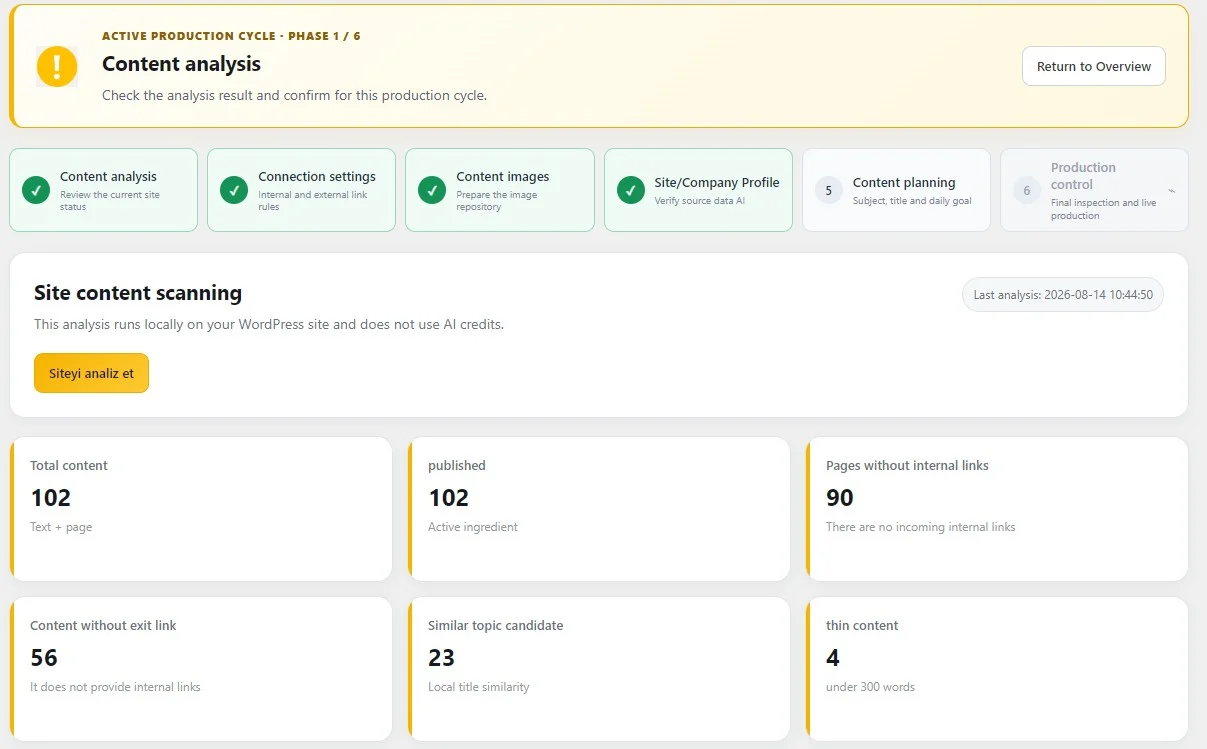
This turns AI into a planning tool.
It does not need to function only as a writer.
A stronger content workflow combines analysis and generation.
𝗔 𝘄𝗼𝗿𝗱𝗽𝗿𝗲𝘀𝘀 𝗽𝗹𝘂𝗴𝗶𝗻 𝗰𝗮𝗻 𝗸𝗲𝗲𝗽 𝘁𝗵𝗲 𝗮𝗻𝗮𝗹𝘆𝘀𝗶𝘀 𝗰𝗹𝗼𝘀𝗲 𝘁𝗼 𝘁𝗵𝗲 𝘀𝗶𝘁𝗲
A generic AI writing tool may not know what already exists in WordPress.
A wordpress plugin can potentially work closer to:
Posts.
Pages.
Titles.
Categories.
Business context.
Publishing settings.
Internal-link destinations.
This site awareness can improve topic decisions.
PW Feed can support this broader WordPress AI content workflow.
The content is not created in complete isolation from the website.
𝗦𝘁𝗿𝘂𝗰𝘁𝘂𝗿𝗲𝗱 𝗱𝗮𝘁𝗮 𝗰𝗮𝗻 𝘀𝘂𝗽𝗽𝗼𝗿𝘁 𝗰𝗹𝗮𝗿𝗶𝘁𝘆
WordPress websites may use structured data to describe:
Organizations.
Products.
Services.
Articles.
FAQs.
Locations.
This can provide machine-readable context.
However, structured data should match the visible page.
If the visible content says one thing and schema says another, the information becomes inconsistent.
Structured data should reinforce the site’s reality.
𝗦𝗰𝗵𝗲𝗺𝗮 𝗶𝘀 𝗻𝗼𝘁 𝗮 𝘀𝘂𝗯𝘀𝘁𝗶𝘁𝘂𝘁𝗲 𝗳𝗼𝗿 𝗰𝗹𝗲𝗮𝗿 𝗰𝗼𝗻𝘁𝗲𝗻𝘁
A product page still needs to explain the product.
A service page still needs to describe the service.
An FAQ needs real answers.
Schema can support these elements.
It does not replace them.
AI search visibility depends on the overall information environment.
Markup alone cannot repair weak or vague content.
𝗟𝗼𝗰𝗮𝗹 𝗯𝘂𝘀𝗶𝗻𝗲𝘀𝘀𝗲𝘀 𝗰𝗮𝗻 𝗯𝘂𝗶𝗹𝗱 𝗴𝗲𝗼𝗴𝗿𝗮𝗽𝗵𝗶𝗰 𝗰𝗹𝗮𝗿𝗶𝘁𝘆
AI queries often contain local intent.
A user may ask:
Who provides this service in my city?
Which business offers this service nearby?
Local websites should clearly communicate:
Physical location.
Real service area.
Available services.
Branch information.
Contact options.
Geographic accuracy is important.
A business should not claim artificial locations simply to target more queries.
𝗟𝗼𝗰𝗮𝗹 𝗰𝗼𝗻𝘁𝗲𝗻𝘁 𝘀𝗵𝗼𝘂𝗹𝗱 𝗵𝗮𝘃𝗲 𝗿𝗲𝗮𝗹 𝗹𝗼𝗰𝗮𝗹 𝘃𝗮𝗹𝘂𝗲
A separate city page can be useful when there is real location-specific information.
For example:
A genuine branch.
A distinct service area.
Local procedures.
Different availability.
It should not be a duplicate page with only the city name changed.
Weak location pages can create clutter.
Accurate, differentiated local information creates stronger context.
𝗘-𝗰𝗼𝗺𝗺𝗲𝗿𝗰𝗲 𝘄𝗲𝗯𝘀𝗶𝘁𝗲𝘀 𝗻𝗲𝗲𝗱 𝗰𝗹𝗲𝗮𝗿 𝗽𝗿𝗼𝗱𝘂𝗰𝘁 𝗶𝗻𝗳𝗼𝗿𝗺𝗮𝘁𝗶𝗼𝗻
A WooCommerce product page may need to clearly identify:
Product name.
Brand.
Model.
Category.
Specifications.
Compatibility.
Intended use.
Availability.
AI-generated product descriptions should remain grounded in real product data.
Incorrect specifications can create poor user experiences.
Product clarity supports traditional shopping search and AI-assisted product discovery.
𝗖𝗮𝘁𝗲𝗴𝗼𝗿𝘆 𝗰𝗼𝗻𝘁𝗲𝗻𝘁 𝗰𝗮𝗻 𝗽𝗿𝗼𝘃𝗶𝗱𝗲 𝗯𝗿𝗼𝗮𝗱𝗲𝗿 𝗰𝗼𝗻𝘁𝗲𝘅𝘁
E-commerce category pages can explain:
What the category contains.
How products differ.
Which buyers need which type.
Important selection criteria.
This can create useful context around individual product pages.
The text should remain concise enough to support shopping usability.
More content is not automatically better.
Useful content is better.
𝗔𝗴𝗲𝗻𝗰𝗶𝗲𝘀 𝗰𝗮𝗻 𝘂𝘀𝗲 𝗿𝗲𝗽𝗲𝗮𝘁𝗮𝗯𝗹𝗲 𝗔𝗜 𝘃𝗶𝘀𝗶𝗯𝗶𝗹𝗶𝘁𝘆 𝗿𝘂𝗹𝗲𝘀
Agencies managing multiple WordPress sites can define common quality rules.
For example:
Every article must have a distinct intent.
Client business facts must remain separate.
Important entities must be defined.
Internal links should be relevant.
Unsupported claims should be avoided.
Questions should be answered directly.
These rules can be reused.
The actual content remains client-specific.
This creates scalable quality control.
𝗖𝗹𝗶𝗲𝗻𝘁 𝗶𝗱𝗲𝗻𝘁𝗶𝘁𝗶𝗲𝘀 𝘀𝗵𝗼𝘂𝗹𝗱 𝗻𝗲𝘃𝗲𝗿 𝗯𝗲 𝗺𝗶𝘅𝗲𝗱
If an agency serves several similar businesses, the AI system needs clear separation.
Each client has different:
Business details.
Products.
Services.
Locations.
Internal links.
Brand language.
Commercial claims.
A generic workflow can be reused.
Client data cannot.
This protects both originality and accuracy.
𝗣𝘂𝗯𝗹𝗶𝘀𝗵𝗶𝗻𝗴 𝘃𝗼𝗹𝘂𝗺𝗲 𝘀𝗵𝗼𝘂𝗹𝗱 𝗯𝗲 𝗰𝗼𝗻𝘁𝗿𝗼𝗹𝗹𝗲𝗱
AI makes content generation extremely scalable.
That can become a risk.
A website does not need hundreds of new articles simply because it can produce them.
A stronger workflow uses:
Approved topics.
Daily limits.
Monthly limits.
Cluster priorities.
Draft review.
Duplicate checks.
This protects content quality.
AI search visibility is unlikely to improve simply because page count increases.
𝗗𝗿𝗮𝗳𝘁 𝗳𝗶𝗿𝘀𝘁 𝗰𝗮𝗻 𝗵𝗲𝗹𝗽 𝗿𝗲𝗳𝗶𝗻𝗲 𝘁𝗵𝗲 𝗔𝗜 𝘀𝘁𝗿𝗮𝘁𝗲𝗴𝘆
A site beginning GEO or AI-search optimization may want greater editorial control.
Generated articles can be saved as drafts.
The editor reviews:
Entity accuracy.
Topic focus.
SEO title.
Meta description.
Direct answers.
Internal links.
Business claims.
Once the output becomes reliable, selected content types may require less manual review.
This gradual approach reduces risk.
𝗗𝗶𝗿𝗲𝗰𝘁 𝗽𝘂𝗯𝗹𝗶𝘀𝗵𝗶𝗻𝗴 𝗿𝗲𝗾𝘂𝗶𝗿𝗲𝘀 𝘀𝘁𝗿𝗼𝗻𝗴 𝗿𝘂𝗹𝗲𝘀
If content publishes automatically, the system should check important conditions.
The topic is approved.
The article is not duplicating existing intent.
Business information is available.
Required metadata exists.
Links are valid.
Publishing limits have not been exceeded.
If these checks fail, the article should remain a draft.
Automation should be conditional, not uncontrolled.
𝗔𝗜 𝘀𝗲𝗮𝗿𝗰𝗵 𝘃𝗶𝘀𝗶𝗯𝗶𝗹𝗶𝘁𝘆 𝗶𝘀 𝗮 𝘀𝗶𝘁𝗲-𝘄𝗶𝗱𝗲 𝗴𝗼𝗮𝗹
One optimized article is useful.
The wider site still matters.
The website should gradually improve:
Homepage clarity.
Product pages.
Service pages.
Articles.
Internal linking.
Content clusters.
Business profiles.
Older content.
A coherent site provides stronger context than isolated optimized pages.
This is why GEO should be viewed as a broader content strategy.
𝗠𝗲𝗮𝘀𝘂𝗿𝗶𝗻𝗴 𝗔𝗜 𝘀𝗲𝗮𝗿𝗰𝗵 𝘃𝗶𝘀𝗶𝗯𝗶𝗹𝗶𝘁𝘆 𝗰𝗮𝗻 𝗯𝗲 𝗱𝗶𝗳𝗳𝗶𝗰𝘂𝗹𝘁
Traditional search provides familiar metrics.
AI search can be less predictable.
A website may want to monitor signals such as:
Referral traffic from AI-related platforms.
Brand search growth.
Qualified enquiries.
Visibility in repeated conversational queries.
Changes in important content performance.
No single metric provides a complete answer.
The measurement model will likely continue evolving.
This is another reason to focus on durable content quality rather than chasing one score.
𝗕𝘂𝘀𝗶𝗻𝗲𝘀𝘀 𝗼𝘂𝘁𝗰𝗼𝗺𝗲𝘀 𝘀𝘁𝗶𝗹𝗹 𝗺𝗮𝘁𝘁𝗲𝗿 𝗺𝗼𝘀𝘁
Visibility itself is not the final objective.
A business wants useful outcomes.
These may include:
Relevant visitors.
Product discovery.
Sales enquiries.
Qualified leads.
Purchases.
Customer education.
Support reduction.
An article appearing in an AI answer is useful only if it contributes to a meaningful business result.
The content strategy should therefore remain connected to commercial and user goals.
𝗣𝗪 𝗙𝗲𝗲𝗱 𝗮𝗻𝗱 𝗔𝗜 𝘀𝗲𝗮𝗿𝗰𝗵 𝘃𝗶𝘀𝗶𝗯𝗶𝗹𝗶𝘁𝘆
PW Feed can support WordPress users who want to create content with both traditional and emerging search environments in mind.
The workflow can combine:
AI-assisted article generation.
SEO.
GEO.
AEO.
Unique titles.
Meta descriptions.
Internal linking.
Content planning.
Duplicate-content controls.
Draft or automatic publishing.
The wordpress plugin environment keeps these activities close to the existing WordPress website.
Readers who want additional information about PW Feed and its WordPress AI content capabilities can continue through the PW Feed contact page.
Users ready to review purchasing options can proceed to the PW Feed buy page.
The broader objective is not simply to generate more pages.
It is to create a clearer and more connected website.
𝗔𝗜 𝘀𝗲𝗮𝗿𝗰𝗵 𝘃𝗶𝘀𝗶𝗯𝗶𝗹𝗶𝘁𝘆 𝗯𝗲𝗴𝗶𝗻𝘀 𝗯𝗲𝗳𝗼𝗿𝗲 𝘁𝗵𝗲 𝗮𝗿𝘁𝗶𝗰𝗹𝗲 𝗶𝘀 𝘄𝗿𝗶𝘁𝘁𝗲𝗻
A strong workflow asks strategic questions first.
Does this topic matter?
Does another page already cover it?
Which cluster does it belong to?
What question should it answer?
Which entity relationships matter?
Which internal pages are relevant?
What business information is required?
Only then does generation begin.
This improves the quality of the final article.
AI visibility is therefore partly a planning problem.
𝗧𝗵𝗲 𝘄𝗲𝗯𝘀𝗶𝘁𝗲 𝘀𝗵𝗼𝘂𝗱 𝗮𝘃𝗼𝗶𝗱 𝗶𝗻𝗳𝗼𝗿𝗺𝗮𝘁𝗶𝗼𝗻 𝗰𝗼𝗻𝗳𝗹𝗶𝗰𝘁
AI systems may encounter multiple pages from the same domain.
If those pages disagree, the site becomes harder to understand.
Examples include:
Different product descriptions.
Different location information.
Contradictory features.
Inconsistent definitions.
Old and new brand names mixed without explanation.
A regular content audit can identify these conflicts.
Consistency is a core GEO principle.
𝗔 𝗰𝗲𝗻𝘁𝗿𝗮𝗹 𝘀𝗼𝘂𝗿𝗰𝗲 𝗼𝗳 𝗯𝘂𝘀𝗶𝗻𝗲𝘀𝘀 𝗳𝗮𝗰𝘁𝘀 𝗰𝗮𝗻 𝗵𝗲𝗹𝗽
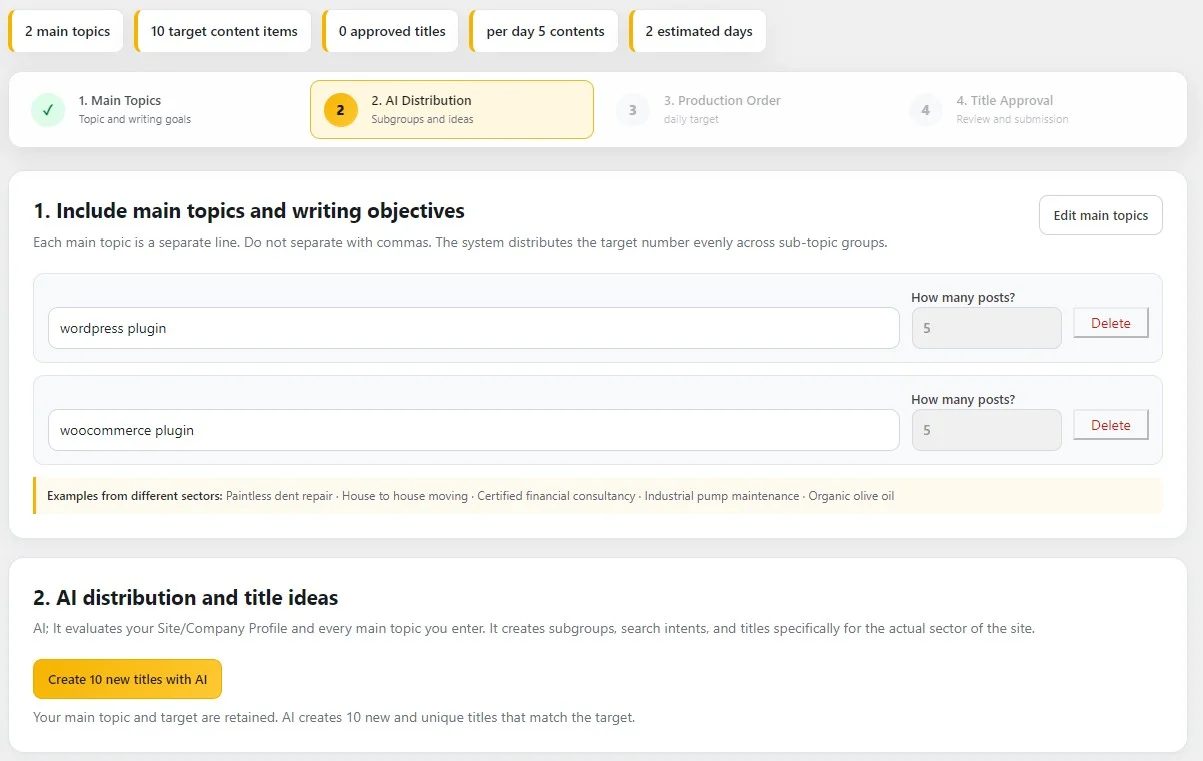
Instead of manually repeating business information in every AI prompt, the website can maintain a structured profile.
The profile may contain:
Business identity.
Products.
Services.
Locations.
Audience.
Features.
Terminology.
Restrictions.
AI-generated content can reference this profile.
This can reduce inconsistency.
It also makes the automation more scalable.
𝗖𝗹𝗮𝗿𝗶𝘁𝘆 𝗶𝘀 𝗺𝗼𝗿𝗲 𝗱𝘂𝗿𝗮𝗯𝗹𝗲 𝘁𝗵𝗮𝗻 𝗽𝗹𝗮𝘁𝗳𝗼𝗿𝗺-𝘀𝗽𝗲𝗰𝗶𝗳𝗶𝗰 𝘁𝗿𝗶𝗰𝗸𝘀
AI platforms will continue to change.
A trick that seems useful today may become irrelevant.
Clear information remains valuable.
Accurate facts remain valuable.
Direct answers remain valuable.
Logical internal links remain valuable.
Distinct page intent remains valuable.
This is why durable GEO strategy should focus on fundamentals.
The website should become easier to understand regardless of which AI platform is retrieving it.
𝗗𝗼 𝗻𝗼𝘁 𝗰𝗿𝗲𝗮𝘁𝗲 𝘀𝗲𝗽𝗮𝗿𝗮𝘁𝗲 𝗰𝗼𝗻𝘁𝗲𝗻𝘁 𝗳𝗼𝗿 𝗲𝘃𝗲𝗿𝘆 𝗔𝗜 𝗽𝗹𝗮𝘁𝗳𝗼𝗿𝗺
A site does not necessarily need:
One article version for ChatGPT.
One for another assistant.
One for a generative search interface.
The same clear content can often support several environments.
Specific articles about individual platforms can still be useful when they target distinct user questions.
The underlying website content should remain platform-independent.
𝗧𝗵𝗲 𝗵𝘂𝗺𝗮𝗻 𝗿𝗲𝗮𝗱𝗲𝗿 𝗿𝗲𝗺𝗮𝗶𝗻𝘀 𝘁𝗵𝗲 𝗽𝗿𝗶𝗺𝗮𝗿𝘆 𝗿𝗲𝗳𝗲𝗿𝗲𝗻𝗰𝗲
A website should never become difficult for people in an attempt to optimize for AI systems.
If a strategy creates:
Awkward repetition.
Unnecessary jargon.
Artificial FAQs.
Too many near-identical pages.
Excessive internal links.
It is probably moving in the wrong direction.
Clear human communication and AI readability usually reinforce one another.
This is a useful quality test.
𝗙𝗶𝗻𝗮𝗹 𝘁𝗵𝗼𝘂𝗴𝗵𝘁𝘀 𝗼𝗻 𝗔𝗜 𝘀𝗲𝗮𝗿𝗰𝗵 𝘃𝗶𝘀𝗶𝗯𝗶𝗹𝗶𝘁𝘆 𝗳𝗼𝗿 𝗪𝗼𝗿𝗱𝗣𝗿𝗲𝘀𝘀 𝘄𝗲𝗯𝘀𝗶𝘁𝗲𝘀
AI search visibility is becoming an important part of WordPress content strategy.
The objective is broader than traditional ranking.
A website should make its information easy to discover, interpret, connect, and use.
SEO remains the foundation.
GEO strengthens entity clarity and generative-search readiness.
AEO helps provide direct answers.
Content clusters create topical depth.
Internal links connect related knowledge.
Business profiles maintain factual consistency.
Original expertise helps differentiate the site.
Regular updates keep important information current.
AI can assist with all of these areas.
A wordpress plugin such as PW Feed can help bring analysis, generation, SEO, GEO, internal linking, and publishing controls into one WordPress-centered workflow.
However, no tool can guarantee visibility in every AI system.
The website should focus on what it can control.
Clear information.
Accurate facts.
Strong topic coverage.
Distinct pages.
Useful answers.
Consistent entities.
Relevant internal relationships.
When these elements work together, a WordPress website becomes better prepared for traditional search, generative search, answer engines, and conversational AI discovery without sacrificing usefulness for human visitors.