
How to create answer-focused content in WordPress
People increasingly search by asking complete questions.
Instead of typing only:

WordPress AI content
they may ask:
How can I automatically create SEO-friendly content in WordPress?
Can AI-generated WordPress articles be saved as drafts?
How can I make WordPress content easier for AI assistants to understand?
This shift changes how content should be written.
A page designed only around a keyword may still rank in traditional search, but it may not answer the user’s actual question clearly enough. Answer-focused content solves this problem by making the main question, the direct answer, and the supporting explanation easy to identify.
This approach is useful for traditional SEO, Answer Engine Optimization, Generative Engine Optimization, and AI-powered search experiences.
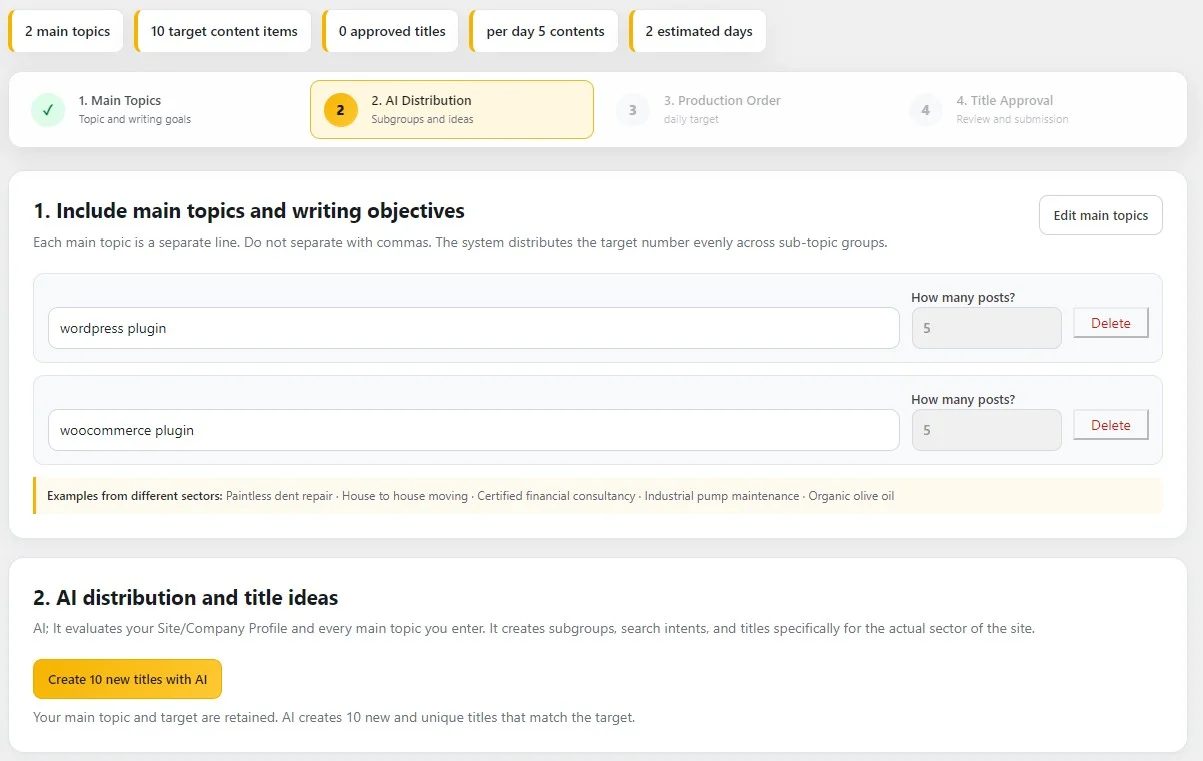
PW Feed can support this type of WordPress content workflow by combining AI-assisted content generation, SEO, GEO, AEO, topic planning, internal linking, and controlled publishing through a wordpress plugin environment.
The objective is not to turn every page into a list of short questions and answers.
The objective is to make important answers easier to find, understand, and use.
𝗪𝗵𝗮𝘁 𝗶𝘀 𝗮𝗻𝘀𝘄𝗲𝗿-𝗳𝗼𝗰𝘂𝘀𝗲𝗱 𝗰𝗼𝗻𝘁𝗲𝗻𝘁?
Answer-focused content is content built around a clear user question or information need.
The page identifies what the user wants to know.
It provides a direct answer.
Then it gives enough explanation, context, examples, limitations, and related information to make that answer genuinely useful.
For example:
Can AI generate WordPress content automatically?
Yes. AI can generate WordPress articles, prepare drafts, create supporting metadata, and assist with publishing workflows when the system is configured for those tasks.
That is the direct answer.
The page can then explain:
How the workflow works.
What should be reviewed.
When automatic publishing is appropriate.
How SEO and GEO fit into the process.
What limitations exist.
Answer-focused content therefore combines speed and depth.
𝗔𝗻𝘀𝘄𝗲𝗿-𝗳𝗼𝗰𝘂𝘀𝗲𝗱 𝗰𝗼𝗻𝘁𝗲𝗻𝘁 𝗶𝘀 𝗻𝗼𝘁 𝘁𝗵𝗲 𝘀𝗮𝗺𝗲 𝗮𝘀 𝘀𝗵𝗼𝗿𝘁 𝗰𝗼𝗻𝘁𝗲𝗻𝘁
A direct answer can be short.
The complete article may still be long.
This distinction matters.
Suppose the question is:
Should AI-generated WordPress content be saved as a draft or published directly?

The first answer might say:
Draft publishing provides more editorial control, while direct publishing provides greater automation. The best option depends on the site’s content risk, workflow, and review requirements.
That is concise.
However, the full article may need to discuss:
Business risk.
Publishing frequency.
Quality control.
Technical content.
Commercial content.
Legal concerns.
Editorial teams.

Automation rules.
The direct answer gives orientation.
The supporting content helps the user make a decision.
𝗧𝗵𝗲 𝗺𝗮𝗶𝗻 𝗾𝘂𝗲𝘀𝘁𝗶𝗼𝗻 𝘀𝗵𝗼𝘂𝗹𝗱 𝗯𝗲 𝗰𝗹𝗲𝗮𝗿
An answer-focused page should not make the reader guess what it is trying to answer.
The page title often provides the first signal.
Examples include:
How to prevent duplicate AI content in WordPress.
How to generate unique SEO titles automatically in WordPress.
How to optimize WordPress content for AI search engines.
How to create answer-focused content in WordPress.
Each title communicates a distinct need.
The article should remain aligned with that need.
If the page title asks one question but most of the article discusses a different subject, the page loses focus.
𝗔𝗻𝘀𝘄𝗲𝗿 𝘁𝗵𝗲 𝗾𝘂𝗲𝘀𝘁𝗶𝗼𝗻 𝗲𝗮𝗿𝗹𝘆
A common writing mistake is delaying the answer.
The article may begin with:
A long industry history.
General statistics.
Broad marketing commentary.
Several paragraphs of context.
Only then does it answer the question.

Answer-focused content reverses this.
Give the reader the core answer early.
Then provide detail.
For example:
How can WordPress content be optimized for AI assistants?
WordPress content can be made easier for AI assistants to understand by using clear definitions, consistent entity descriptions, direct answers, logical article structure, accurate business information, and relevant internal links.
The reader now understands the foundation.
The rest of the article can explain each point.
𝗔 𝗱𝗶𝗿𝗲𝗰𝘁 𝗮𝗻𝘀𝘄𝗲𝗿 𝘀𝗵𝗼𝘂𝗹𝗱 𝗻𝗼𝘁 𝗯𝗲 𝘃𝗮𝗴𝘂𝗲
Consider this answer:
It depends on many factors and every website is different.

Sometimes that is technically true.
It is rarely useful by itself.
A stronger answer provides direction.
For example:
Automatic publishing can be suitable for low-risk, predefined WordPress content, while draft-first publishing is usually safer when business claims, technical accuracy, or human approval are important.
This answer still recognizes nuance.
But it gives the user something useful immediately.
Answer-focused writing should avoid using uncertainty as an excuse for saying nothing.
𝗔𝗻𝘀𝘄𝗲𝗿𝘀 𝘀𝗵𝗼𝘂𝗹𝗱 𝗮𝗹𝘀𝗼 𝗮𝘃𝗼𝗶𝗱 𝗳𝗮𝗹𝘀𝗲 𝗰𝗲𝗿𝘁𝗮𝗶𝗻𝘁𝘆
The opposite problem is being too absolute.
For example:
AI content always improves SEO.
That is too broad.
A better answer would be:
AI-generated content can support SEO when it is useful, accurate, distinct in purpose, aligned with search intent, and properly integrated into the website.
This is more precise.
Answer-focused content should be direct without becoming misleading.
The strongest answers are clear and appropriately qualified.
𝗔𝗻𝘀𝘄𝗲𝗿 𝘁𝗵𝗲 𝘂𝘀𝗲𝗿’𝘀 𝗿𝗲𝗮𝗹 𝗶𝗻𝘁𝗲𝗻𝘁
A question may contain more than its literal words.
Suppose the user asks:
Can AI publish WordPress articles automatically?
They may actually want to know:
Is it technically possible?
Is it safe?
Can I review the article first?
Can I limit publishing frequency?
Can I stop incorrect content from going live?
A strong answer-focused page recognizes these secondary needs.
The main answer remains clear.
The supporting sections address the concerns behind the question.
This makes the content much more useful.
𝗦𝗲𝗮𝗿𝗰𝗵 𝗶𝗻𝘁𝗲𝗻𝘁 𝗶𝘀 𝗰𝗿𝗶𝘁𝗶𝗰𝗮𝗹
Answer-focused content works best when the page understands why the user is searching.
Search intent may be:
Informational.
Commercial.
Navigational.
Comparative.
Transactional.
For example:
What is GEO?
is primarily informational.
SEO vs GEO vs AEO
is comparative.
WordPress AI SEO plugin
may have stronger commercial intent.
The page should be structured around the actual intention.
AI can help classify the query before generating the article.
𝗢𝗻𝗲 𝗽𝗮𝗴𝗲 𝘀𝗵𝗼𝘂𝗹𝗱 𝗵𝗮𝘃𝗲 𝗼𝗻𝗲 𝗽𝗿𝗶𝗺𝗮𝗿𝘆 𝗮𝗻𝘀𝘄𝗲𝗿 𝗴𝗼𝗮𝗹
A page can answer many supporting questions.
It should still have one central purpose.
For example:
How to create answer-focused content in WordPress
can discuss:
Question research.
Article structure.
Direct answers.
SEO.
GEO.
AEO.
Internal linking.
AI generation.
These subjects all support the main goal.
The page should not become a detailed guide to unrelated areas such as server configuration or payment gateways.
A focused page is easier for users and search systems to understand.
𝗦𝘂𝗽𝗽𝗼𝗿𝘁𝗶𝗻𝗴 𝗾𝘂𝗲𝘀𝘁𝗶𝗼𝗻𝘀 𝗰𝗿𝗲𝗮𝘁𝗲 𝗱𝗲𝗽𝘁𝗵
After answering the primary question, identify natural follow-up questions.
For example:
What makes a direct answer useful?
How long should the answer be?
Should every section be written as a question?
Can answer-focused content be long-form?
How does AEO relate to SEO?
Can AI generate answer-focused WordPress content?
These questions help expand the page.
They also reflect the conversational way people explore topics.
The supporting questions should remain relevant to the primary topic.
𝗤𝘂𝗲𝘀𝘁𝗶𝗼𝗻 𝗿𝗲𝘀𝗲𝗮𝗿𝗰𝗵 𝗰𝗮𝗻 𝗯𝗲𝗴𝗶𝗻 𝘄𝗶𝘁𝗵 𝗰𝘂𝘀𝘁𝗼𝗺𝗲𝗿𝘀
Real customer questions are among the strongest content sources.
Businesses can review:
Sales conversations.
Support tickets.
Contact-form messages.
Onboarding questions.
Product enquiries.
Frequently asked questions.
These interactions reveal what users genuinely need to understand.
For example, if users repeatedly ask whether AI-generated articles can be saved as drafts, that question deserves clear content.
Answer-focused content becomes much stronger when it reflects real uncertainty rather than invented questions.
𝗦𝗲𝗮𝗿𝗰𝗵 𝗾𝘂𝗲𝗿𝗶𝗲𝘀 𝗰𝗮𝗻 𝗮𝗹𝘀𝗼 𝗿𝗲𝘃𝗲𝗮𝗹 𝗾𝘂𝗲𝘀𝘁𝗶𝗼𝗻𝘀
Search behavior provides another source.
Users may search for:
Can WordPress AI content rank?
How to automate blog publishing?
Is AI content safe for SEO?
How to prevent duplicate AI content?
These searches reveal specific needs.
AI can group similar questions by intent.
This helps prevent the website from creating several pages for minor wording variations.
One strong page can often answer a group of closely related questions.
𝗗𝗼 𝗻𝗼𝘁 𝗰𝗿𝗲𝗮𝘁𝗲 𝗮 𝗻𝗲𝘄 𝗽𝗮𝗴𝗲 𝗳𝗼𝗿 𝗲𝘃𝗲𝗿𝘆 𝗾𝘂𝗲𝘀𝘁𝗶𝗼𝗻
Answer-focused content does not mean turning every question into a separate article.
Some questions deserve only a section.
For example:
Can AI content be saved as a draft?
may be one important section inside a broader article about WordPress AI publishing workflows.
A separate page becomes useful when the question:
Has distinct search intent.
Requires substantial explanation.
Represents an important customer decision.
Supports a larger content cluster.
The correct content unit depends on depth.
𝗚𝗿𝗼𝘂𝗽 𝘀𝗶𝗺𝗶𝗹𝗮𝗿 𝗾𝘂𝗲𝘀𝘁𝗶𝗼𝗻𝘀 𝗯𝘆 𝗶𝗻𝘁𝗲𝗻𝘁
Consider these questions:
Can AI publish WordPress posts automatically?
Can WordPress AI auto-publish articles?
Can AI content go live automatically in WordPress?
These likely represent the same intent.
One strong page or section can answer all three.
Now compare:
Should AI content publish automatically or remain a draft?
This introduces a comparison and decision.
It may justify a separate page.
AI can help identify these semantic differences.
This prevents unnecessary page duplication.
𝗔𝗻𝘀𝘄𝗲𝗿-𝗳𝗼𝗰𝘂𝘀𝗲𝗱 𝗰𝗼𝗻𝘁𝗲𝗻𝘁 𝗰𝗮𝗻 𝘀𝘂𝗽𝗽𝗼𝗿𝘁 𝗔𝗘𝗢
Answer Engine Optimization focuses on helping content provide useful responses to questions.
AEO benefits from:
Clear questions.
Direct answers.
Logical sections.
Useful definitions.
Concise explanations.
Relevant supporting context.
The page should make it easy to locate the answer.
This does not require unnatural formatting.
A well-written article can support AEO while remaining enjoyable for human readers.
𝗔𝗘𝗢 𝗱𝗼𝗲𝘀 𝗻𝗼𝘁 𝗿𝗲𝗽𝗹𝗮𝗰𝗲 𝗦𝗘𝗢
Answer-focused content still needs traditional search fundamentals.
The article benefits from:
A clear title.
Distinct search intent.
Useful metadata.
Relevant internal links.
Strong topic coverage.
Technical indexability.
AEO changes how the answer is presented.
SEO still helps the page become discoverable.
These approaches complement one another.
𝗚𝗘𝗢 𝗯𝗲𝗻𝗲𝗳𝗶𝘁𝘀 𝗳𝗿𝗼𝗺 𝗰𝗹𝗲𝗮𝗿 𝗮𝗻𝘀𝘄𝗲𝗿𝘀
Generative Engine Optimization focuses on making information clearer for AI-powered search environments.
Answer-focused content supports this naturally.
For example:
What is PW Feed?
PW Feed is associated with WordPress AI content workflows designed to support content creation, SEO, GEO, and controlled publishing.
The statement identifies:
The entity.
The platform.
The function.
The context.
Clear answers can therefore support GEO as well as AEO.
𝗘𝗻𝘁𝗶𝘁𝘆 𝗰𝗹𝗮𝗿𝗶𝘁𝘆 𝘀𝗵𝗼𝘂𝗹𝗱 𝗮𝗽𝗽𝗲𝗮𝗿 𝗶𝗻 𝘁𝗵𝗲 𝗮𝗻𝘀𝘄𝗲𝗿
Suppose the user asks:
Can it automatically create SEO titles?
The answer should not simply say:
Yes, it can.
A clearer answer would be:
A WordPress AI content workflow can generate SEO titles automatically when title generation is included in the publishing rules.
The entity and function are clearer.
This matters especially when the page contains several products or technologies.
Avoid ambiguity in critical answer passages.
𝗗𝗲𝗳𝗶𝗻𝗶𝘁𝗶𝗼𝗻 𝗾𝘂𝗲𝘀𝘁𝗶𝗼𝗻𝘀 𝗻𝗲𝗲𝗱 𝗰𝗼𝗻𝗰𝗶𝘀𝗲 𝗱𝗲𝗳𝗶𝗻𝗶𝘁𝗶𝗼𝗻𝘀
Some searches are simple definition questions.
Examples:
What is GEO?
What is AEO?
What is a content cluster?
What is automatic WordPress publishing?
The first sentence should answer the definition directly.
For example:
A content cluster is a group of related pages organized around a broader central topic and connected through meaningful internal links.
Then explain:
Why clusters matter.
How they are built.
How supporting pages differ.
This provides both clarity and depth.
𝗛𝗼𝘄-𝘁𝗼 𝗾𝘂𝗲𝘀𝘁𝗶𝗼𝗻𝘀 𝗻𝗲𝗲𝗱 𝗮 𝗰𝗹𝗲𝗮𝗿 𝗽𝗿𝗼𝗰𝗲𝘀𝘀
A user asking how to do something usually expects steps.
For example:
How do you create answer-focused WordPress content?
A practical process might be:
Identify the user question.
Determine search intent.
Create the direct answer.
Identify supporting questions.
Build the article structure.
Add verified business context.
Connect relevant internal pages.
Create SEO metadata.
Review or publish.
This sequence gives the reader something actionable.
A how-to article should not remain entirely conceptual.
𝗖𝗼𝗺𝗽𝗮𝗿𝗶𝘀𝗼𝗻 𝗾𝘂𝗲𝘀𝘁𝗶𝗼𝗻𝘀 𝗻𝗲𝗲𝗱 𝗰𝗹𝗲𝗮𝗿 𝗱𝗶𝗳𝗳𝗲𝗿𝗲𝗻𝗰𝗲𝘀
Comparison queries often appear in search and AI assistants.
Examples include:
SEO vs GEO.
Draft vs direct publishing.
Manual content vs AI content.
A good answer should first explain the central difference.
For example:
Draft publishing prioritizes review and control, while direct publishing prioritizes speed and automation.
The article can then compare:
Risk.
Workload.
Content types.
Business size.
Review requirements.
The reader can understand the distinction immediately.
𝗬𝗲𝘀-𝗼𝗿-𝗻𝗼 𝗾𝘂𝗲𝘀𝘁𝗶𝗼𝗻𝘀 𝗼𝗳𝘁𝗲𝗻 𝗻𝗲𝗲𝗱 𝗮 𝗾𝘂𝗮𝗹𝗶𝗳𝗶𝗲𝗱 𝗮𝗻𝘀𝘄𝗲𝗿
For example:
Is AI-generated content good for SEO?
A useful answer is:
It can be. AI-generated content can support SEO when it satisfies search intent, provides useful information, avoids duplication, and remains accurate.
This answer begins directly.
Then it adds the conditions.
This format works well for complex questions.
It avoids both vague uncertainty and false certainty.
𝗖𝗼𝗺𝗺𝗲𝗿𝗰𝗶𝗮𝗹 𝗾𝘂𝗲𝘀𝘁𝗶𝗼𝗻𝘀 𝗻𝗲𝗲𝗱 𝘂𝘀𝗲𝗳𝘂𝗹 𝗶𝗻𝗳𝗼𝗿𝗺𝗮𝘁𝗶𝗼𝗻
A user may ask:
Which WordPress AI content workflow should I use?
A page should not immediately become a sales pitch.
The answer can explain:
Important features.
Publishing control.
SEO requirements.
GEO requirements.
Business context.
Content limits.
Review options.
Only then should the relevant product be introduced.
This builds trust.
The commercial recommendation becomes connected to the user’s actual needs.
𝗦𝗲𝗿𝘃𝗶𝗰𝗲 𝗽𝗮𝗴𝗲𝘀 𝗰𝗮𝗻 𝗯𝗲 𝗮𝗻𝘀𝘄𝗲𝗿-𝗳𝗼𝗰𝘂𝘀𝗲𝗱
Answer-focused content is not limited to blog posts.
A service page can answer:
What is the service?
Who needs it?
How does it work?
What is included?
Where is it available?
What problem does it solve?
This makes the page more informative.
Users do not need to decode vague promotional copy.
AI systems also receive clearer service relationships.
𝗣𝗿𝗼𝗱𝘂𝗰𝘁 𝗽𝗮𝗴𝗲𝘀 𝗰𝗮𝗻 𝗮𝗻𝘀𝘄𝗲𝗿 𝗽𝗿𝗲-𝗽𝘂𝗿𝗰𝗵𝗮𝘀𝗲 𝗾𝘂𝗲𝘀𝘁𝗶𝗼𝗻𝘀
A product page can answer questions such as:
What does the product do?
Who is it for?
Which platform does it support?
What tasks can it automate?
Can users review content before publication?
How is the product purchased?
These questions help users make decisions.
They can also reduce sales and support enquiries.
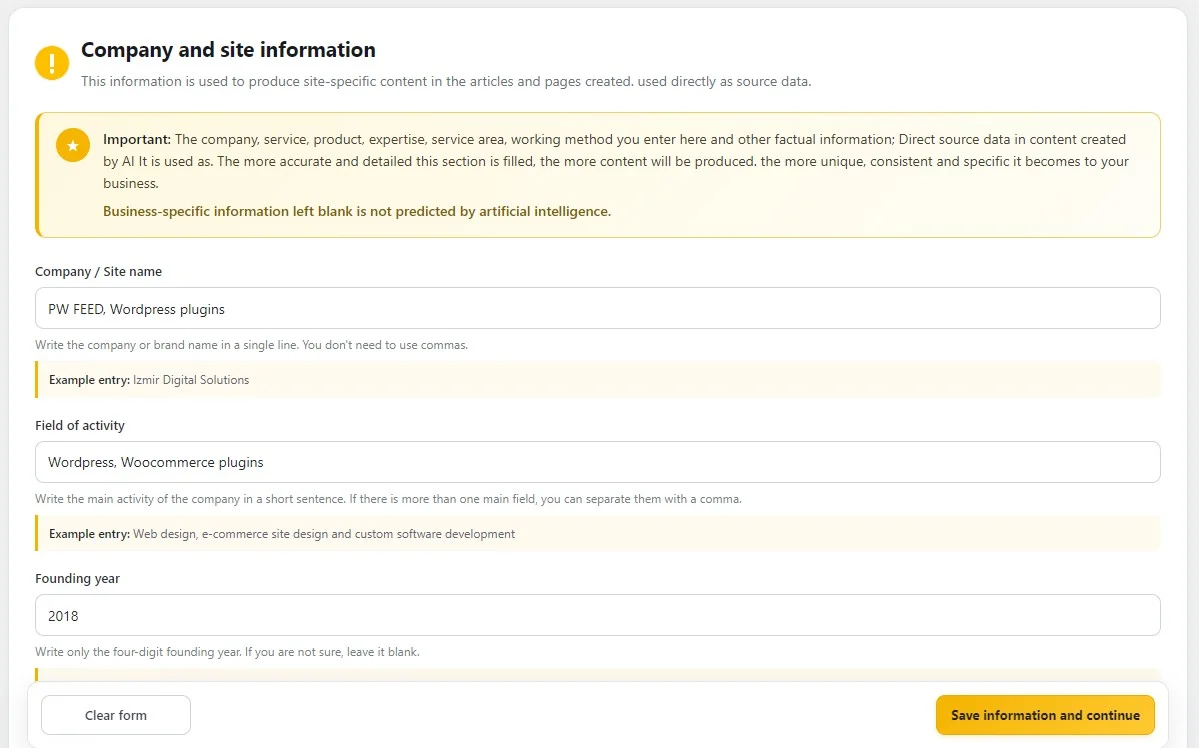
For PW Feed, product content can clearly explain how WordPress, AI content generation, SEO, GEO, and publishing workflows relate.
𝗕𝗹𝗼𝗴 𝗰𝗼𝗻𝘁𝗲𝗻𝘁 𝗰𝗮𝗻 𝗮𝗻𝘀𝘄𝗲𝗿 𝗲𝗮𝗿𝗹𝗶𝗲𝗿-𝘀𝘁𝗮𝗴𝗲 𝗾𝘂𝗲𝘀𝘁𝗶𝗼𝗻𝘀
Users may not know the product yet.
They may search for the problem.
Examples:
How to reduce manual WordPress content work.
How to publish articles consistently.
How to prevent duplicate AI posts.
How to prepare WordPress content for generative search.
These questions create educational content opportunities.
The article answers the problem first.
The relevant product relationship can appear later.
This creates a more natural customer journey.
𝗖𝗼𝗻𝘁𝗲𝗻𝘁 𝗰𝗹𝘂𝘀𝘁𝗲𝗿𝘀 𝗰𝗮𝗻 𝗯𝗲 𝗯𝘂𝗶𝗹𝘁 𝗮𝗿𝗼𝘂𝗻𝗱 𝗾𝘂𝗲𝘀𝘁𝗶𝗼𝗻𝘀
A broader topic can contain many distinct questions.
For example, an AI search cluster may include:
What is AI search optimization?
How can WordPress content be prepared for generative search?
How can content be made easier for AI assistants to understand?
How can answer-focused content be created?
How should WordPress articles be structured for answer engines?
Each article addresses a different question.
Together, the cluster provides broader coverage.
This is much stronger than creating several pages with nearly identical titles.
𝗜𝗻𝘁𝗲𝗿𝗻𝗮𝗹 𝗹𝗶𝗻𝗸𝘀 𝗰𝗮𝗻 𝗽𝗿𝗼𝘃𝗶𝗱𝗲 𝘁𝗵𝗲 𝗻𝗲𝘅𝘁 𝗮𝗻𝘀𝘄𝗲𝗿
A user may finish one section and naturally need another explanation.
Internal linking provides the next step.
For example:
An answer about GEO can link toward a detailed GEO guide.
A section about duplicate content can link toward duplicate prevention.
A section about content clusters can link toward the cluster article.
The link should appear because it helps the user continue.
This is stronger than adding unrelated links for SEO alone.
𝗔𝗻𝗰𝗵𝗼𝗿 𝘁𝗲𝘅𝘁 𝘀𝗵𝗼𝘂𝗹𝗱 𝗲𝘅𝗽𝗹𝗮𝗶𝗻 𝘁𝗵𝗲 𝗻𝗲𝘅𝘁 𝘁𝗼𝗽𝗶𝗰
Descriptive anchor text makes the destination clear.
Examples include:
AI-powered internal linking.
WordPress content clusters.
Generative search preparation.
Unique SEO title generation.
The reader understands what they will find.
The link itself becomes part of the information architecture.
Generic phrases such as click here provide less context.
𝗔𝗻𝘀𝘄𝗲𝗿-𝗳𝗼𝗰𝘂𝘀𝗲𝗱 𝗰𝗼𝗻𝘁𝗲𝗻𝘁 𝗰𝗮𝗻 𝗵𝗲𝗹𝗽 𝗿𝗲𝗱𝘂𝗰𝗲 𝗯𝗼𝘂𝗻𝗰𝗲 𝗳𝗿𝗼𝗺 𝗺𝗶𝘀𝗺𝗮𝘁𝗰𝗵𝗲𝗱 𝗶𝗻𝘁𝗲𝗻𝘁
If a page answers the user’s question quickly, the visitor can immediately determine whether the content is relevant.
This is better than attracting clicks through a title and then delaying or avoiding the answer.
A visitor who receives the information they need may continue exploring the site.
One who feels misled may leave.
Answer clarity therefore supports user experience as well as optimization.
𝗔𝗻𝘀𝘄𝗲𝗿-𝗳𝗼𝗰𝘂𝘀𝗲𝗱 𝗰𝗼𝗻𝘁𝗲𝗻𝘁 𝗱𝗼𝗲𝘀 𝗻𝗼𝘁 𝗺𝗲𝗮𝗻 𝗴𝗶𝘃𝗶𝗻𝗴 𝗮𝘄𝗮𝘆 𝘁𝗵𝗲 𝘄𝗵𝗼𝗹𝗲 𝗮𝗿𝘁𝗶𝗰𝗹𝗲 𝗶𝗻 𝗼𝗻𝗲 𝘀𝗲𝗻𝘁𝗲𝗻𝗰𝗲
Some publishers worry that answering too quickly removes the reason to keep reading.
The direct answer should provide orientation.
The detailed article provides:
Why.
How.
Examples.
Alternatives.
Limitations.
Implementation.
The value of the article is not simply hiding the answer.
It is explaining the answer better than a one-line response can.
This is particularly important in AI search environments.
𝗖𝗹𝗲𝗮𝗿 𝗮𝗻𝘀𝘄𝗲𝗿𝘀 𝗰𝗮𝗻 𝗶𝗺𝗽𝗿𝗼𝘃𝗲 𝘁𝗿𝘂𝘀𝘁
Users appreciate pages that state what they know clearly.
For example:
Can GEO guarantee that my website will appear in AI answers?
No. GEO can improve information clarity and generative-search readiness, but it cannot guarantee inclusion in every AI response.
This answer is transparent.
A page claiming guaranteed AI visibility may be more promotional, but it is less credible.
Useful answer-focused content explains both possibilities and limits.
𝗦𝘂𝗽𝗽𝗼𝗿𝘁 𝗮𝗻𝘀𝘄𝗲𝗿𝘀 𝘄𝗶𝘁𝗵 𝗲𝘃𝗶𝗱𝗲𝗻𝗰𝗲 𝘄𝗵𝗲𝗻 𝗻𝗲𝗰𝗲𝘀𝘀𝗮𝗿𝘆
Some questions can be answered from stable business knowledge.
Others require evidence.
For example:
A legal question may require current regulation.
A technical claim may require official documentation.
A scientific question may require research.
A current software feature may require verification.
AI should not invent certainty when the underlying information needs external confirmation.
High-quality answer-focused content uses appropriate sources when necessary.
𝗧𝗵𝗲 𝗿𝗶𝗴𝗵𝘁 𝗮𝗻𝘀𝘄𝗲𝗿 𝗺𝗮𝘆 𝗰𝗵𝗮𝗻𝗴𝗲 𝗼𝘃𝗲𝗿 𝘁𝗶𝗺𝗲
Some information is stable.
Other information changes.
For example:
Platform features.
Pricing.
Search interfaces.
WordPress versions.
AI capabilities.
Important answer-focused pages should therefore be reviewed periodically.
The direct answer is especially important to keep current because it may be the part most users rely on.
Content freshness is a quality issue, not merely a publishing frequency issue.
𝗘𝘃𝗲𝗿𝗴𝗿𝗲𝗲𝗻 𝗮𝗻𝘀𝘄𝗲𝗿𝘀 𝘀𝗵𝗼𝘂𝗹𝗱 𝘀𝘁𝗶𝗹𝗹 𝗯𝗲 𝗰𝗵𝗲𝗰𝗸𝗲𝗱
A general definition may remain valid for years.
The surrounding examples or terminology may change.
For example, the concept of internal linking remains stable.
Its role in GEO and AI search may become more important over time.
An existing article can be expanded with new context.
There is no need to replace the entire page.
𝗔𝗜 𝗰𝗮𝗻 𝗵𝗲𝗹𝗽 𝗶𝗱𝗲𝗻𝘁𝗶𝗳𝘆 𝗺𝗶𝘀𝘀𝗶𝗻𝗴 𝗮𝗻𝘀𝘄𝗲𝗿𝘀
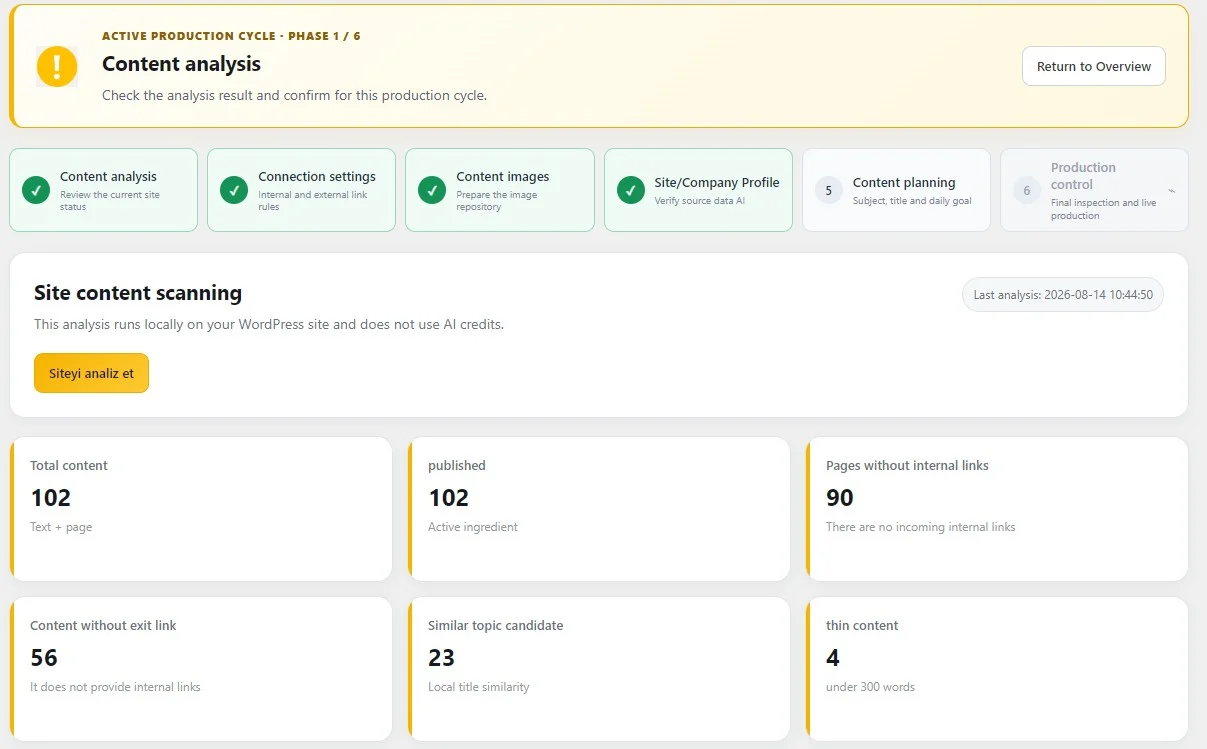
A WordPress website may contain important pages that never answer obvious questions.
AI can analyze the content and identify gaps.
For example:
The product page may never explain whether content is saved as a draft.
A service page may not explain who the service is for.
A blog article may discuss GEO without defining it.
These missing answers can become:
New sections.
FAQs.
Article expansions.
Separate pages when appropriate.
AI can therefore support answer discovery as well as answer generation.
𝗔𝗜 𝗰𝗮𝗻 𝗰𝗼𝗺𝗽𝗮𝗿𝗲 𝗾𝘂𝗲𝘀𝘁𝗶𝗼𝗻𝘀 𝘄𝗶𝘁𝗵 𝗲𝘅𝗶𝘀𝘁𝗶𝗻𝗴 𝗰𝗼𝗻𝘁𝗲𝗻𝘁
Before generating a new article, AI can check whether the question is already answered.
If yes, the system can determine:
Is the answer strong enough?
Should the page be expanded?
Should an internal link be added?
Is a separate article really necessary?
This reduces duplicate content.
It also helps keep topic ownership clear.
A website should not create five pages to answer one question.
𝗔𝗻𝘀𝘄𝗲𝗿 𝗴𝗮𝗽𝘀 𝗰𝗮𝗻 𝗯𝗲 𝗽𝗿𝗶𝗼𝗿𝗶𝘁𝗶𝘇𝗲𝗱
Not every missing answer has equal importance.
The site can prioritize based on:
Customer frequency.
Search relevance.
Business importance.
Commercial proximity.
Content-cluster importance.
Support workload.
GEO relevance.
For example, a question repeatedly asked before purchase may deserve higher priority than a rare peripheral topic.
AI can help score these opportunities.
𝗔𝗻𝘀𝘄𝗲𝗿-𝗳𝗼𝗰𝘂𝘀𝗲𝗱 𝗰𝗼𝗻𝘁𝗲𝗻𝘁 𝗰𝗮𝗻 𝗿𝗲𝗱𝘂𝗰𝗲 𝘀𝘂𝗽𝗽𝗼𝗿𝘁 𝘄𝗼𝗿𝗸
When common questions are answered clearly on the site, some users can solve their own problems.
Examples may include:
How to create a draft.
How publishing controls work.
What happens when a limit is reached.
How a feature should be configured.
Documentation and blog content can therefore reduce repetitive support questions.
This creates value beyond search traffic.
𝗔𝗻𝘀𝘄𝗲𝗿-𝗳𝗼𝗰𝘂𝘀𝗲𝗱 𝗰𝗼𝗻𝘁𝗲𝗻𝘁 𝗰𝗮𝗻 𝗶𝗺𝗽𝗿𝗼𝘃𝗲 𝘀𝗮𝗹𝗲𝘀 𝗲𝗳𝗳𝗶𝗰𝗶𝗲𝗻𝗰𝘆
Potential customers often ask the same pre-purchase questions.
If the website answers them, users can evaluate the product more independently.
For PW Feed, visitors may want to understand:
How AI content generation works.
Whether drafts are available.
How SEO and GEO relate.
How publishing is controlled.
Whether the product fits their WordPress workflow.
Readers who need additional information can continue through the PW Feed contact page.
Users ready to review purchase options can proceed to the PW Feed buy page.
The content answers first.
The commercial next step follows naturally.
𝗔 𝘄𝗼𝗿𝗱𝗽𝗿𝗲𝘀𝘀 𝗽𝗹𝘂𝗴𝗶𝗻 𝗰𝗮𝗻 𝗮𝘂𝘁𝗼𝗺𝗮𝘁𝗲 𝗽𝗮𝗿𝘁 𝗼𝗳 𝘁𝗵𝗶𝘀 𝘄𝗼𝗿𝗸𝗳𝗹𝗼𝘄
A wordpress plugin can operate close to the actual website.
It may work with:
Published posts.
Pages.
Existing titles.
Business context.
Topic lists.
Internal-link destinations.
Publishing rules.
PW Feed can support an AI-assisted workflow where answer-focused content is created directly within the WordPress environment.
The website owner can define the topic.
AI can help identify the main question.
The content can be generated.
SEO and GEO requirements can be incorporated.
The article can become a draft or be published according to the chosen workflow.
𝗔𝗻𝘀𝘄𝗲𝗿 𝗾𝘂𝗮𝗹𝗶𝘁𝘆 𝘀𝗵𝗼𝘂𝗹𝗱 𝗯𝗲 𝗰𝗵𝗲𝗰𝗸𝗲𝗱 𝗯𝗲𝗳𝗼𝗿𝗲 𝗽𝘂𝗯𝗹𝗶𝗰𝗮𝘁𝗶𝗼𝗻
An answer can be grammatically correct and still be weak.
Useful checks include:
Does it actually answer the question?
Is it specific?
Is it factually accurate?
Does it require qualification?
Does it match the business?
Does it contradict another page?
Is it too promotional?
Could the answer be understood without several previous paragraphs?
These questions provide stronger quality control.
𝗗𝗿𝗮𝗳𝘁 𝗺𝗼𝗱𝗲 𝗰𝗮𝗻 𝗵𝗲𝗹𝗽 𝗿𝗲𝗳𝗶𝗻𝗲 𝗮𝗻𝘀𝘄𝗲𝗿 𝗾𝘂𝗮𝗹𝗶𝘁𝘆
When a site begins answer-focused automation, generating drafts first can be useful.
The editor can review:
The main question.
The direct answer.
Supporting questions.
Entity descriptions.
Internal links.
SEO title.
Meta description.
Business claims.
This feedback can improve future generation rules.
As the workflow matures, selected low-risk topics may require less review.
𝗗𝗶𝗿𝗲𝗰𝘁 𝗽𝘂𝗯𝗹𝗶𝘀𝗵𝗶𝗻𝗴 𝘀𝗵𝗼𝘂𝗹𝗱 𝗿𝗲𝗾𝘂𝗶𝗿𝗲 𝘀𝘁𝗿𝗼𝗻𝗴𝗲𝗿 𝘃𝗮𝗹𝗶𝗱𝗮𝘁𝗶𝗼𝗻
If answer-focused content publishes automatically, the system should check more than formatting.
For example:
The topic must be approved.
The answer must not conflict with verified business information.
The page must not duplicate existing intent.
Required metadata must exist.
Publishing limits must be respected.
Higher-risk content can remain draft-only.
Automation should increase speed without sacrificing factual control.
𝗔𝗻𝘀𝘄𝗲𝗿-𝗳𝗼𝗰𝘂𝘀𝗲𝗱 𝗰𝗼𝗻𝘁𝗲𝗻𝘁 𝘀𝗵𝗼𝘂𝗹𝗱 𝗻𝗼𝘁 𝗯𝗲𝗰𝗼𝗺𝗲 𝗳𝗼𝗿𝗺𝘂𝗹𝗮𝗶𝗰
If every article begins:
Question.
One sentence answer.
Ten identical sections.
FAQ.
Conclusion.
The website can become repetitive.
The answer-focused principle should remain flexible.
Some pages may begin with a definition.
Others may begin with a problem.
A comparison page may begin with the central distinction.
A tutorial may begin with the first action.
The structure should serve the question.
It should not become a rigid template.
𝗛𝗲𝗮𝗱𝗶𝗻𝗴𝘀 𝗰𝗮𝗻 𝗯𝗲 𝗾𝘂𝗲𝘀𝘁𝗶𝗼𝗻𝘀, 𝗯𝘂𝘁 𝘁𝗵𝗲𝘆 𝗱𝗼 𝗻𝗼𝘁 𝗵𝗮𝘃𝗲 𝘁𝗼 𝗯𝗲
A heading such as:
Does SEO still matter for answer-focused content?
is useful.
A descriptive heading such as:
SEO remains the foundation
can also work.
The important point is clarity.
The reader should understand what the section will explain.
A page does not become AEO-friendly simply because every heading ends with a question mark.
𝗔𝗿𝘁𝗶𝗰𝗹𝗲 𝘀𝘁𝗿𝘂𝗰𝘁𝘂𝗿𝗲 𝘀𝗵𝗼𝘂𝗹𝗱 𝗳𝗼𝗹𝗹𝗼𝘄 𝘂𝘀𝗲𝗿 𝗹𝗼𝗴𝗶𝗰
A useful order may be:
What is it?
Why does it matter?
How does it work?
What are the options?
What are the limitations?
How can it be implemented?
What should the user do next?
This mirrors natural thinking.
The page becomes easier to navigate.
AI can use this logic to create structured long-form articles.
𝗦𝗵𝗼𝗿𝘁 𝗽𝗮𝗿𝗮𝗴𝗿𝗮𝗽𝗵𝘀 𝗵𝗲𝗹𝗽 𝗸𝗲𝗲𝗽 𝗮𝗻𝘀𝘄𝗲𝗿𝘀 𝗰𝗹𝗲𝗮𝗿
A direct answer can become difficult to understand if it is buried inside a very large paragraph.
Breaking ideas into logical paragraphs improves readability.
One paragraph can provide the answer.
The next can explain the reason.
Another can provide an example.
This creates clear information units.
It also improves mobile readability.
𝗟𝗶𝘀𝘁𝘀 𝗰𝗮𝗻 𝗯𝗲 𝘂𝘀𝗲𝗳𝘂𝗹 𝘄𝗵𝗲𝗻 𝘁𝗵𝗲 𝗮𝗻𝘀𝘄𝗲𝗿 𝗰𝗼𝗻𝘁𝗮𝗶𝗻𝘀 𝗺𝘂𝗹𝘁𝗶𝗽𝗹𝗲 𝗶𝘁𝗲𝗺𝘀
Some questions naturally require a list.
For example:
What should an answer-focused WordPress article include?
A clear main question.
A direct answer.
Supporting explanations.
Relevant subquestions.
Accurate entities.
Internal links.
SEO metadata.
A logical conclusion.
A list makes this easy to scan.
Lists should be used because they improve clarity, not because they appear structured.
𝗧𝗮𝗯𝗹𝗲𝘀 𝗰𝗮𝗻 𝗵𝗲𝗹𝗽 𝘄𝗵𝗲𝗻 𝘁𝗵𝗲 𝘂𝘀𝗲𝗿 𝗻𝗲𝗲𝗱𝘀 𝗮 𝗰𝗼𝗺𝗽𝗮𝗿𝗶𝘀𝗼𝗻
A direct comparison can sometimes be clearer in a table.
For example:
SEO versus GEO versus AEO.
Draft versus direct publishing.
Manual versus AI-assisted content.
The format should match the information.
A table is not required for every article.
The user experience should determine whether it helps.
𝗧𝗵𝗲 𝗰𝗼𝗻𝗰𝗹𝘂𝘀𝗶𝗼𝗻 𝘀𝗵𝗼𝘂𝗹𝗱 𝗿𝗲𝗶𝗻𝗳𝗼𝗿𝗰𝗲 𝘁𝗵𝗲 𝗺𝗮𝗶𝗻 𝗮𝗻𝘀𝘄𝗲𝗿
A conclusion should not introduce a completely new topic.
It should remind the reader of the central answer.
For this article, the main principle is simple:
Answer-focused WordPress content begins with understanding what the user is actually asking and making the answer easy to find.
Everything else supports that goal.
SEO helps the page become discoverable.
GEO improves clarity for generative environments.
AEO strengthens direct-answer structure.
Internal linking provides deeper information.
AI can make the process more scalable.
𝗔𝗻𝘀𝘄𝗲𝗿-𝗳𝗼𝗰𝘂𝘀𝗲𝗱 𝗰𝗼𝗻𝘁𝗲𝗻𝘁 𝘀𝗵𝗼𝘂𝗹𝗱 𝗿𝗲𝗺𝗮𝗶𝗻 𝗵𝘂𝗺𝗮𝗻-𝗳𝗶𝗿𝘀𝘁
The purpose is not to manufacture text fragments for machines.
The user still needs:
A correct answer.
Clear explanation.
Useful examples.
Relevant next steps.
AI systems benefit from the same clarity.
This is why answer-focused content can support several search environments without sacrificing readability.
If optimization makes the page less useful to humans, the strategy needs correction.
𝗣𝗪 𝗙𝗲𝗲𝗱 𝗮𝗻𝗱 𝗮𝗻𝘀𝘄𝗲𝗿-𝗳𝗼𝗰𝘂𝘀𝗲𝗱 𝗪𝗼𝗿𝗱𝗣𝗿𝗲𝘀𝘀 𝗰𝗼𝗻𝘁𝗲𝗻𝘁
PW Feed can support a WordPress AI content workflow where questions and search intent influence article generation from the beginning.
A topic can be evaluated.
The primary user question can be identified.
The direct answer can be created.
Supporting questions can provide depth.
SEO and GEO requirements can guide the wider article.
Internal links can connect related answers.
The content can then be saved as a draft or published according to predefined rules.
This makes answer-focused optimization part of content creation rather than a correction applied afterward.
𝗧𝗵𝗲 𝗺𝗮𝗶𝗻 𝗺𝗲𝘁𝗿𝗶𝗰 𝘀𝗵𝗼𝘂𝗹𝗱 𝗯𝗲 𝘄𝗵𝗲𝘁𝗵𝗲𝗿 𝘁𝗵𝗲 𝗽𝗮𝗴𝗲 𝗿𝗲𝘀𝗼𝗹𝘃𝗲𝘀 𝘁𝗵𝗲 𝗾𝘂𝗲𝘀𝘁𝗶𝗼𝗻
A page can have:
A good keyword.
A strong SEO title.
A long word count.
Several internal links.
Perfect formatting.
And still fail if it does not answer the user’s question.
A useful quality test is simple:
After reading the page, can the user clearly state the answer?
If not, the article may need improvement.
Answer quality should remain central.
𝗙𝗶𝗻𝗮𝗹 𝘁𝗵𝗼𝘂𝗴𝗵𝘁𝘀 𝗼𝗻 𝗰𝗿𝗲𝗮𝘁𝗶𝗻𝗴 𝗮𝗻𝘀𝘄𝗲𝗿-𝗳𝗼𝗰𝘂𝘀𝗲𝗱 𝗰𝗼𝗻𝘁𝗲𝗻𝘁 𝗶𝗻 𝗪𝗼𝗿𝗱𝗣𝗿𝗲𝘀𝘀
Creating answer-focused content in WordPress begins before the writing stage.
The website needs to identify the real user question.
Search intent needs to be understood.
The page should have one primary purpose.
A direct answer should appear early.
The answer should be specific, accurate, and appropriately qualified.
Supporting sections should explain why the answer is correct, how it applies, what limitations exist, and what the user should consider next.
Related questions can provide additional depth.
Internal links can connect users with more detailed resources.
SEO can support traditional discoverability.
GEO can improve entity clarity and usefulness for generative search environments.
AEO can make the content easier to use in direct-answer experiences.
AI can assist with question discovery, topic grouping, answer generation, page structure, metadata, internal linking, and publishing.
A wordpress plugin such as PW Feed can bring these activities together inside a WordPress-centered workflow.
However, automation should not create endless pages for every minor question.
Similar queries should be grouped by intent.
Existing pages should be expanded when appropriate.
New articles should exist when the question deserves its own depth.
The strongest answer-focused strategy is not about producing the largest number of answers.
It is about producing the clearest answer in the right place.
When WordPress content consistently identifies user questions, answers them directly, supports those answers with useful context, and connects related information logically, the website becomes easier to use for traditional search visitors, conversational search users, answer engines, and AI assistants at the same time.